
Hot water is something we all depend on. We use it for showers, dishes, laundry, and cleaning. Yet many homeowners do not think about their water heater until it stops working. Then comes the big question: should you choose a tank water heater or a tankless one?
This guide will walk you through the pros and cons of a tank vs tankless water heater in simple, clear language. No confusing terms. No sales talk. Just practical advice based on real-world experience.
Understanding the Basics
Before comparing, let’s quickly understand how both systems work.
Tank Water Heater
A traditional tank water heater stores hot water in a large metal tank. It keeps the water heated all day and night. When you turn on a tap, hot water flows out from the tank.
Most homes in the U.S. still use this system. It is familiar. It is simple. And it has been around for decades.
Tankless Water Heater
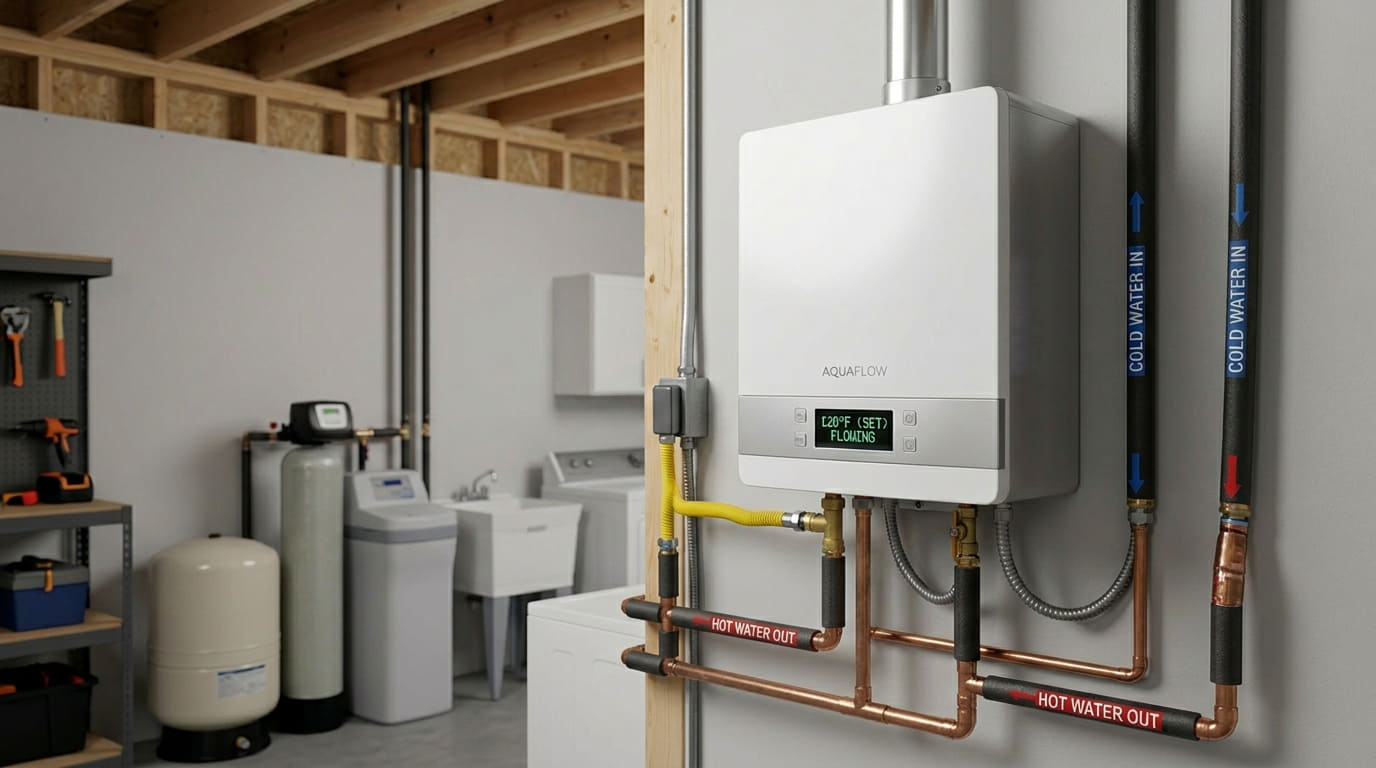
A tankless water heater does not store water. Instead, it heats water only when you need it. When you open a tap, cold water flows through the unit and heats instantly.
Many people call it an “on-demand water heater” because it works only when you turn on the hot water.
Now let’s break down the advantages and disadvantages of each.
The Pros of Tank Water Heaters
1. Lower Upfront Cost
Tank water heaters usually cost less to buy and install. If you are replacing an old tank system, installation is simple. No major changes are needed.
This makes it a good option for homeowners on a tight budget.
2. Simple Installation
Most homes are already set up for a storage tank system. So plumbers can replace it quickly. Labor costs are often lower.
Because the design is simple, fewer upgrades are required.
3. Easy Repairs
Tank water heaters are common. Almost every plumber knows how to fix them. Parts are widely available.
If something breaks, repairs are usually straightforward.
4. Works Well for Multiple Fixtures
A properly sized tank can handle running the shower, dishwasher, and washing machine simultaneously. As long as the tank has enough capacity, hot water will flow smoothly.
5. Less Sensitive to Water Quality
Tank systems are generally less affected by hard water compared to tankless units. They still need maintenance. But they are often more forgiving.
The Cons of Tank Water Heaters
1. Limited Hot Water Supply
Once the tank empties, you must wait for it to refill and reheat. That can take 20 to 60 minutes.
If you have a large family, this can be frustrating.
2. Higher Energy Bills Over Time
Tank heaters keep water hot all day. Even when you are asleep. Even when you are at work.
This standby heat loss can increase your energy consumption.
3. Shorter Lifespan
On average, tank water heaters last about 8 to 12 years. Over time, rust and sediment build up inside the tank.
Eventually, leaks may develop.
4. Takes Up Space
Tank systems are bulky. They need floor space in a basement, garage, or utility closet.
In small homes, that space matters.
5. Risk of Leaks or Flooding
If the tank fails, it can leak gallons of water. This may damage floors and walls.
Proper maintenance reduces the risk, but it does not remove it completely.
The Pros of Tankless Water Heaters
Now let’s explore why many homeowners are switching to tankless systems.
1. Endless Hot Water
This is the biggest selling point.
Since water is heated on demand, you will not run out. Long showers are no problem. Back-to-back showers are easy.
For large families, this is a huge benefit.
2. Lower Energy Usage
Tankless systems only heat water when needed. There is no standby heat loss.
As a result, many homeowners see lower utility bills over time.
3. Longer Lifespan
Tankless units often last 15 to 20 years with proper maintenance.
That is nearly double the lifespan of many storage tank models.
4. Compact Design
Tankless water heaters are small. They mount on a wall.
This saves valuable space in your home.
5. Reduced Risk of Major Leaks
Since there is no large tank holding water, the risk of sudden flooding is much lower.
That brings peace of mind.
The Cons of Tankless Water Heaters
Despite their benefits, tankless systems are not perfect.
1. Higher Initial Cost
Tankless units cost more upfront. Installation can also be more expensive.
Sometimes electrical or gas upgrades are needed.
2. Installation Can Be Complex
If your home is not already set up for tankless, changes may be required. This can include venting upgrades or electrical adjustments.
That adds to the total cost.
3. Limited Flow Rate
Tankless heaters can struggle if too many fixtures run at once. For example, if two showers and a washing machine run together, water temperature may drop.
Larger units can fix this, but they cost more.
4. Requires Regular Maintenance
Tankless systems need yearly maintenance to prevent mineral buildup, especially in areas with hard water.
Skipping maintenance can shorten the unit’s life.
5. Delay in Hot Water Delivery
Some users notice a slight delay before hot water reaches the tap. The unit needs a few seconds to activate and heat the water.
It is not long. But it is noticeable.
Comparing Energy Efficiency and Monthly Bills
Energy efficiency is one of the main reasons people compare systems.
Tankless systems usually win in this category. They avoid constant heating. Over time, this can reduce electricity or gas bills.
However, savings depend on your usage habits. If you use small amounts of hot water daily, a tankless system may save more. If your use is heavy and constant, the difference may shrink.
Also consider fuel type. Gas water heaters and electric water heaters perform differently. Climate and household size also matter.
Which Is Better for Your Home?
The answer depends on your situation.
Choose a tank water heater if:
- You want a lower upfront cost
- Your home already has a tank setup
- You prefer a simple installation
- Your budget is tight
Choose a tankless water heater if:
- You want unlimited hot water
- You plan to stay in your home long-term
- You want lower energy consumption
- You value space-saving design
When evaluating the pros and cons of a tank vs. a tankless water heater, consider long-term value, not just price.
Final Thoughts
Tank water heaters are affordable, reliable, and easy to replace. But they have limited hot water and higher long-term energy use. Tankless water heaters offer endless hot water, better energy efficiency, and longer lifespan. However, they require higher upfront investment. Both systems can serve your home well if installed properly and maintained regularly. Take time to compare features, read reviews, and calculate long-term costs. The right choice will depend on your home size, water usage, and budget.
When you carefully weigh the pros and cons of a tank vs tankless water heater, you can make a smart, confident decision that brings comfort and savings for years to come.
