
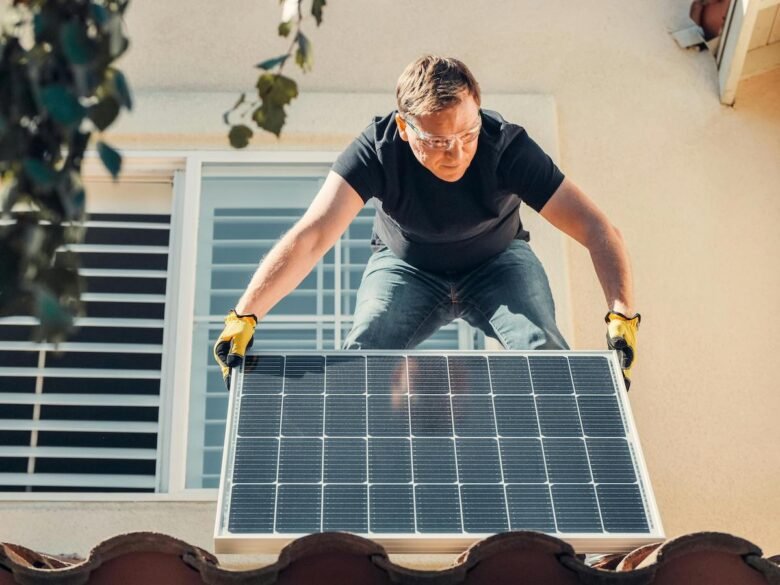
Brisbane gets plenty of sunshine, so it is no surprise that solar has become such a common sight on local rooftops. For many households and small businesses, solar offers a way to bring power bills under control and take back some certainty over energy costs.
The challenge is that not every system or installer is the same. Prices, equipment quality and installation standards vary widely, and a poor decision can leave you with a system that underperforms for years. Understanding the basics before you request quotes puts you in a much stronger position.
This guide covers eleven things worth knowing before you commit to solar installation in Brisbane.
Key Insight The best solar system is not the biggest or the cheapest. It is the one sized and installed properly for how your household or business actually uses power.
A Quick Overview of a Solar System
| Component | What it does |
| Solar panels | Convert sunlight into electricity |
| Inverter | Converts that electricity into a form your home can use |
| Mounting system | Secures the panels safely to your roof |
| Monitoring | Shows how much your system is producing |
| Battery (optional) | Stores excess power for use later |
1. Start With Your Actual Energy Use
Before looking at systems, look at your electricity bills. When you use power matters as much as how much you use. A household home during the day will use more solar directly than one that is empty until the evening.
Tip Keep a few recent bills handy when speaking with installers. It helps them recommend a system size that fits, rather than guessing.
2. Check Your Roof Suitability
Roof direction, angle, shading and condition all influence performance. In the southern hemisphere, north facing roofs generally produce the most, though east and west facing panels can still work well depending on your usage pattern.
- Shading from trees or neighbouring buildings
- Roof age and condition before installation
- Available space for the system size you need
- Roof material and mounting requirements
3. Choose the Right System Size
A system that is too small will not make much of a dent in your bills. One that is too large may export more power than you can benefit from. A good installer will explain how they arrived at their recommendation rather than simply upselling.
4. Make Sure Your Installer Is Accredited
Solar installers should be properly qualified and accredited. Ask to see credentials and confirm they are current. Installing solar is electrical work, so licensing and compliance matter for both safety and warranty.
5. Understand Panel Quality and Warranties
Panels differ in efficiency, durability and warranty terms. Look at both the product warranty and the performance warranty, and check who actually stands behind them. A warranty is only useful if the company will still be around to honour it.
6. Do Not Overlook the Inverter
The inverter is often the first component to need attention, so it deserves as much consideration as the panels. Ask about brand, warranty length and what support is available locally if something goes wrong.
Practical example A system with excellent panels and a poor inverter may still end up with downtime and repair costs well before the panels show any wear.
7. Consider Whether a Battery Makes Sense
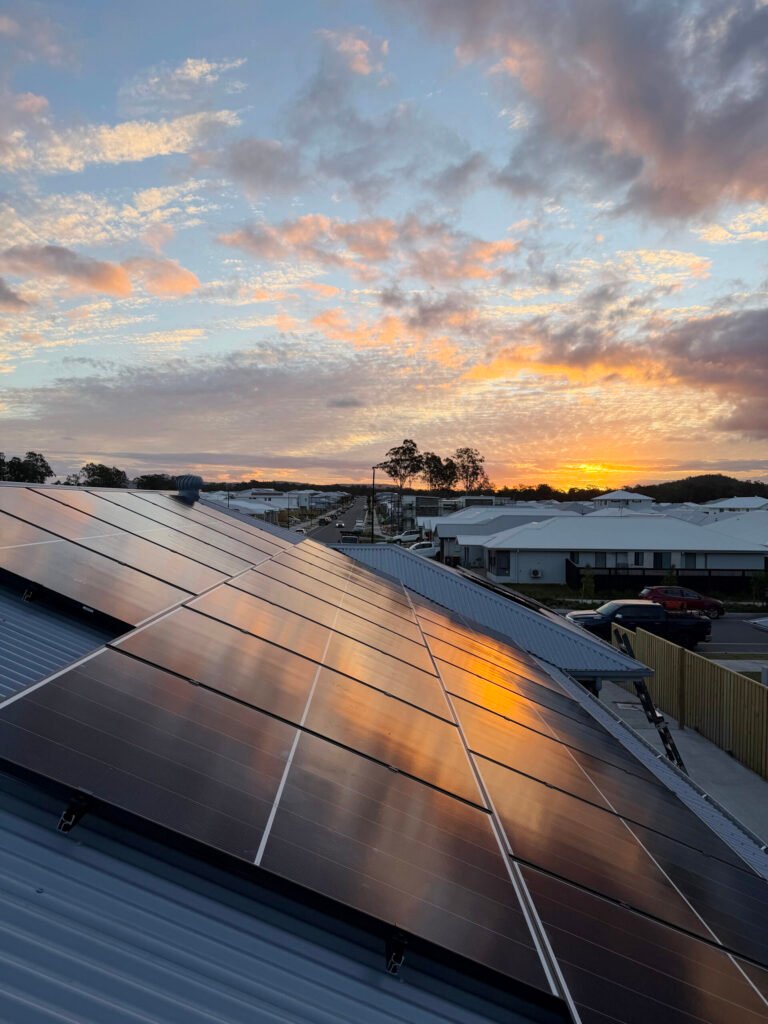

Batteries can increase how much of your own solar power you use, but they add considerable cost. For some households the numbers work well, particularly where evening usage is high. For others, adding a battery later may be a smarter path.
- Your evening and overnight electricity use
- Upfront cost compared with expected savings
- Whether the system can be made battery ready now
- Warranty and expected lifespan of the battery
8. Ask About Rebates and Incentives
Government incentives can reduce the upfront cost of a system, but the details change over time. Ask your installer to explain what applies to you at the time of installation and how it is reflected in the quote. Always confirm the current details through official sources.
9. Understand Grid Connection Requirements
Your system will need to be approved and connected to the local network. A good installer manages this process for you and explains any limits that apply to how much power you can export.
10. Plan for Monitoring and Maintenance
Solar needs less attention than most home systems, but it is not completely hands off. Monitoring lets you see whether the system is performing as expected, and occasional checks help catch issues early.
Tip If your production drops noticeably without an obvious reason such as weather, it is worth having the system checked.
11. Compare Quotes Properly
The lowest quote is not always the best value. Compare equipment brands, warranty terms, what is included in installation and the experience of the installer, not just the final price.
Cheap Quote vs Quality Installation
| Factor | Very cheap quote | Quality installation |
| Equipment | Often lesser known brands | Established brands with solid warranties |
| Installer experience | Can be limited | Proven track record |
| After sales support | Uncertain | Clear and local |
| Long term cost | Higher risk of repairs | More predictable |
| System performance | Variable | Consistent over time |
Common Red Flags to Watch For
- High pressure sales tactics or limited time offers
- Reluctance to name specific panel and inverter brands
- No clear explanation of system size or expected output
- Vague or unclear warranty terms
- Unclear credentials or reluctance to provide them
Frequently Asked Questions
Is solar worth it in Brisbane?
For many households, yes, given the strong sunshine. The return depends on your usage, system cost and roof conditions, so it is worth running the numbers for your situation.
How long does a solar system last?
Panels commonly last many years, while inverters often need replacement earlier. Warranty terms give a good indication of what to expect from each component.
Do I need a new roof before installing solar?
Not always, but an ageing roof may need attention first. It is easier and cheaper to repair a roof before panels go on than to remove and refit them later.
Final Takeaway
Solar can be a smart investment for Brisbane homes and businesses when it is sized correctly, installed properly and backed by sensible warranties. Take your time, ask detailed questions and compare more than price.
SJK Collective offers solar services alongside electrical, plumbing, air conditioning and gas fitting across Brisbane and surrounding suburbs. If you would like to talk through what solar could look like for your property, reaching out to the team is a good place to begin.


