
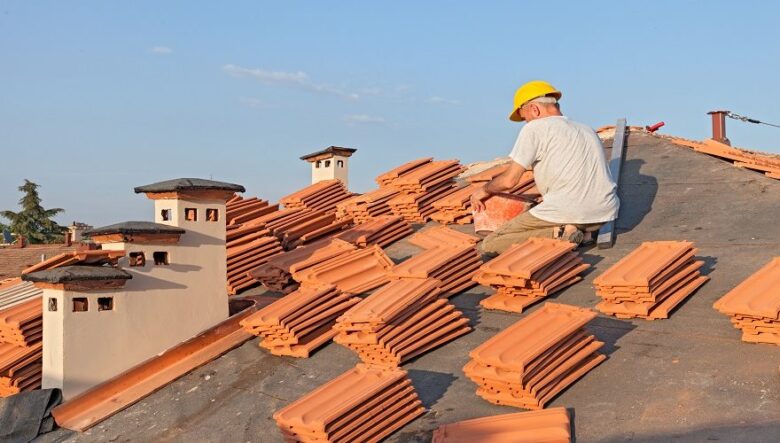
Your roof is one of the most important parts of your home. It protects your property from harsh weather, improves energy efficiency, and adds to overall curb appeal. But before you invest in restoring it, there are a few essential things to understand. When it comes to roof restoration or roof replacement, making the right decision can save you thousands of dollars and years of future stress.
Below are three important things every homeowner should know before getting roof restoration.
1. Not Every Roof Needs Replacement
One of the biggest misconceptions homeowners have is that visible damage automatically means a full replacement is necessary. In many cases, restoration can be a far more cost-effective and practical solution.
Roof restoration typically includes:
-
High-pressure cleaning
-
Repairing cracked or broken tiles
-
Replacing damaged sheets
-
Re-bedding and re-pointing ridge caps
-
Applying protective sealants and coatings
If your roof structure is still sound, restoration can add 10–15 years (or more) to its lifespan. Replacement is usually only required when there is severe structural damage, extensive rusting, or widespread deterioration.
Before committing to a major expense, always request a detailed inspection and report. A professional assessment helps you determine whether restoration is enough to bring your roof back to optimal condition.
2. The Condition of Your Roof Matters More Than Its Age
Many homeowners assume that roof age alone determines whether restoration is possible. While age is a factor, the actual condition of the materials plays a much bigger role.
For example:
-
A 20-year-old tile roof in good condition may be perfect for restoration.
-
A 10-year-old metal roof with poor maintenance and rust damage may require more extensive work.
A proper inspection should check:
-
Structural integrity
-
Signs of leaks or water damage
-
Mould or moss growth
-
Cracked, broken, or displaced tiles
-
Rust spots or corrosion
-
Flashing and gutter condition
Restoration works best when the underlying structure is stable. If underlying timber battens or insulation are compromised, additional repairs may be needed before restoration can proceed.
3. Quality of Materials and Workmanship Makes All the Difference
Roof restoration is not just about cleaning and painting. The quality of products and expertise used directly impacts how long your roof will last after restoration.
Here’s what you should look for:
✔ High-Quality Coatings
Premium roof coatings provide:
-
UV protection
-
Weather resistance
-
Waterproof sealing
-
Improved thermal performance
Cheap coatings may look good initially but can fade, crack, or peel within a few years.
✔ Experienced Professionals
Experienced contractors:
-
Identify hidden issues
-
Use correct repair techniques
-
Follow proper safety standards
-
Provide warranties on work
✔ Clear Warranty Coverage
Always ask:
-
What is covered?
-
How long is the warranty valid?
-
Is it backed by both product and workmanship guarantees?
A reliable contractor will be transparent about materials, processes, and expected outcomes.
Bonus Tip: Timing Matters
The best time to restore your roof is before major problems occur. Small issues like cracked tiles or minor leaks can escalate into expensive structural damage if left untreated.
Signs you shouldn’t ignore:
-
Interior water stains
-
Moss and algae growth
-
Faded or peeling roof paint
-
Loose ridge caps
-
Increased energy bills due to poor insulation performance
Early restoration is always more affordable than emergency repairs or full replacement.
Final Thoughts
Roof restoration is a smart investment when done at the right time and by the right professionals. Understanding your roof’s condition, choosing quality materials, and knowing when restoration is suitable can help you make a confident decision.
Before moving forward, get a professional inspection, compare options carefully, and ensure you’re choosing a long-term solution — not just a quick cosmetic fix. A well-restored roof doesn’t just protect your home; it adds value, efficiency, and peace of mind for years to come.


