
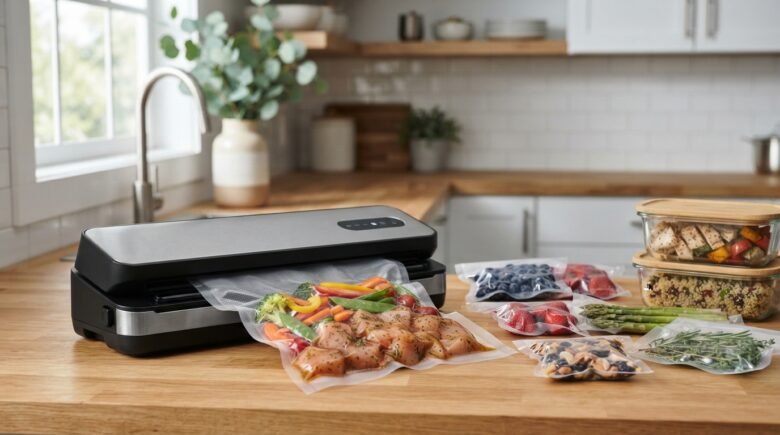
A portable vacuum sealer is a handy tool that most people associate with keeping meat, fish, or veggies fresh longer. In Australia, where outdoor living, camping, and DIY projects are part of everyday life, the same device can solve many other challenges. Below you’ll discover five practical uses that go beyond the kitchen, plus essential tips for suppliers who want to market this versatile gadget to Aussie customers.
Why a Portable Vacuum Sealer Matters for Australian Suppliers
Australia’s climate varies from tropical north to temperate south, and the demand for products that protect items from moisture, heat, and pests is high. A portable vacuum sealer offers a compact, energy-efficient solution that fits into caravans, boats, and small workshops. By highlighting local use-cases, you can differentiate your product from larger, stationary models and attract a broader audience.
1. Protecting Outdoor Gear and Camping Supplies
When you’re heading to the bush, beach, or a national park, keeping gear dry and free from insects can be a hassle. A portable vacuum sealer creates an airtight barrier that shields items from moisture, sand, and critters.
Practical Applications
- Camping clothing: Seal jackets, socks, and base layers to prevent mildew after a rainy night.
- Sleeping bags: Reduce bulk in your backpack while keeping the bag clean and dry.
- Electronics: Protect phones, GPS units, and cameras from sand and water spikes.
- First-aid kits: Keep bandages, antiseptic wipes, and medication dry for longer periods.
Supplier Tips
Partner with outdoor retailers such as Anaconda, Kathmandu, and REI Australia. Offer bundle packs that include a portable vacuum sealer, a set of reusable bags, and a 12-V car charger. Highlight the product’s compliance with Australian Standard AS/NZS 60335-2-24 to build trust with safety-conscious buyers.
2. Extending the Life of Seasonal Clothing and Textiles
Australia’s seasonal swings mean many households store winter coats, summer dresses, or surf wetsuits for months at a time. A portable vacuum sealer can dramatically shrink storage volume and protect fabrics from dust and moths.
How to Seal Textiles Effectively
- Fold the item neatly and place it in a resealable vacuum bag.
- Leave a small opening for the air to escape, then attach the sealer’s nozzle.
- Press the seal button and wait for the bag to shrink around the garment.
- Label each bag with the season and item type for easy retrieval.
Local Market Insight
In Melbourne and Sydney, where apartment living is common, space-saving solutions are in high demand. Retailers like The Good Guys and Harvey Norman often feature “home organization” sections; a portable vacuum sealer fits perfectly there. Emphasise the product’s ability to protect delicate fabrics from the humid coastal air of Queensland and the dry dust of the outback.
3. Safeguarding Documents, Photos, and Collectibles


Family photos, important documents, and collectible items such as stamps or coins can be vulnerable to humidity, mould, and pests. A portable vacuum sealer provides a low-cost, portable way to archive these treasures without needing a climate-controlled storage unit.
Step-by-Step Guide
- Place the item in a flat, seal-ready bag (use a protective sleeve for delicate items).
- Remove as much air as possible manually before sealing.
- Use the vacuum function to create a tight seal.
- Store the sealed bag in a cool, dark place – a closet or a drawer works well.
Australian Context
Many Australians keep family heirlooms in “heritage boxes” that are passed down through generations. By offering a portable vacuum sealer as part of a heritage-preservation kit, suppliers can tap into a niche market. Collaborate with local museums, historical societies, and genealogy groups to demonstrate the product’s value.
4. Managing Home Renovation Waste and DIY Projects
Renovation sites often generate dust, small parts, and hazardous materials that need safe storage. A portable vacuum sealer can contain dust-laden wood shavings, paint chips, or even small batteries, reducing the risk of contamination and fire.
Examples of DIY Uses
- Woodworking: Seal off-dust to keep your workshop clean and prevent inhalation.
- Paint and solvents: Store leftover paint in sealed bags to avoid spills and comply with local hazardous-waste regulations.
- Electrical components: Keep spare wires, connectors, and small tools organized and protected from moisture.
Regulatory Note
In Queensland and New South Wales, waste disposal guidelines require that hazardous materials be sealed before transport. A portable vacuum sealer helps contractors meet these standards while keeping the site tidy. Highlight compliance with the Australian Work Health and Safety (WHS) regulations in your marketing copy.
5. Enhancing the Freshness of Pet Supplies and Garden Produce
Pet owners and gardeners in Australia appreciate tools that keep food fresh longer. A portable vacuum sealer can extend the shelf life of dog food, cat kibble, and home-grown fruits and vegetables, reduce waste and saving money.
Pet Food Storage
- Transfer bulk kibble into a vacuum-seal bag.
- Remove excess air to prevent oxidation and keep the food crunchy.
- Label the bag with the purchase date and feeding instructions.
Garden Harvest Preservation
- Harvest ripe tomatoes, berries, or herbs.
- Place them in a vacuum-seal bag and seal within minutes of picking.
- Store in the fridge or a cool pantry for up to two weeks.
Local Partnerships
Farmers’ markets in Adelaide, Perth, and Hobart are ideal venues to showcase the portable vacuum sealer’s benefits for fresh produce. Team up with local pet stores and garden centres to run demo days. Offer a “starter pack” that includes a sealer, a set of reusable bags, and a guide tailored to Australian pet and garden needs.
Questions and Answers: Common Questions About portable vacuum sealer in Australia
Below are the most frequently asked questions from Australian customers. Each answer is written in plain language and includes local references to help you address buyer concerns quickly.
Q: What power sources can a portable vacuum sealer use in a car or caravan?
A: Most portable models include a 12-V DC adapter that plugs into a vehicle’s cigarette lighter socket. Some newer units also support USB-C power banks or a standard 230-V AC plug for home use. Check the product specifications for the exact voltage range and ensure the adapter meets Australian safety standards (AS/NZS 60825-1).
Q: Are vacuum-seal bags safe for food storage under Australian food-contact regulations?
A: Yes. Look for bags that are certified as food-grade under the Australian Food Standards Code (FSANZ). They should be BPA-free and made from food-safe polyethylene or nylon. Suppliers can request a compliance certificate from the bag manufacturer to reassure customers.
Conclusion: Your Path to a Successful portable vacuum sealer in Australia
A portable vacuum sealer is more than a kitchen gadget; it is a versatile tool that fits the Australian lifestyle of outdoor adventure, space-saving living, and DIY creativity. By showcasing five practical uses protecting camping gear, preserving seasonal clothing, safeguarding documents, managing renovation waste, and extending pet and garden food freshness you can appeal to a wide audience across the country.


