
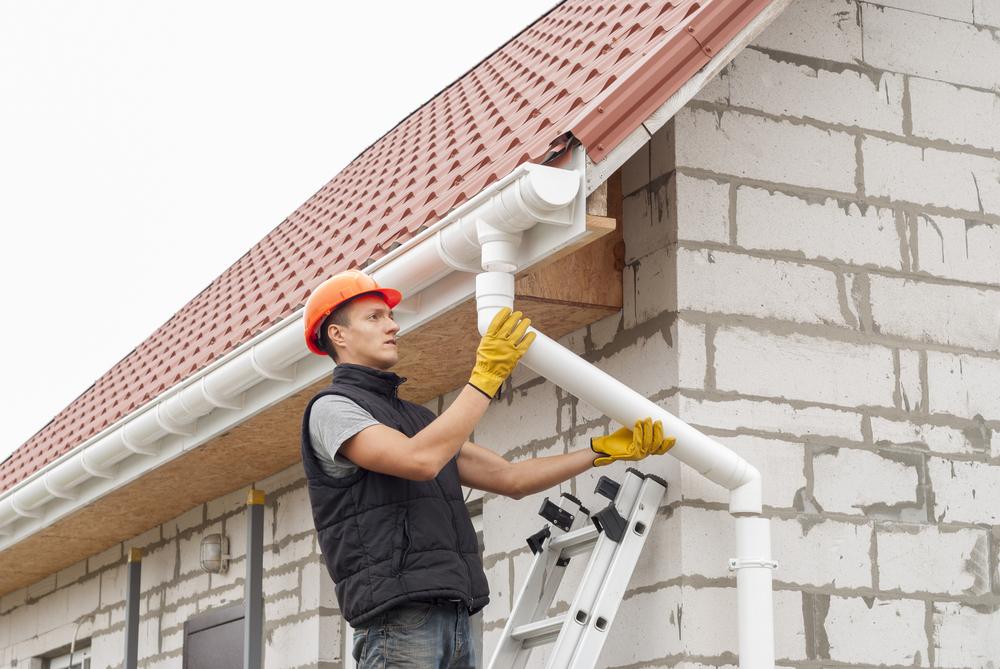
Your gutters play a crucial role in protecting your home from water damage. They direct rainwater away from your roof, walls, foundation, and landscaping. When gutters start failing, the damage can be gradual but costly. Understanding the warning signs and knowing when to take action can save you time, money, and stress.
In this guide, we’ll explore the key signs that indicate it’s time for a gutter replacement and how to ensure a smooth and successful gutter replacement journey.
Why Gutter Replacement Matters
Gutters are often overlooked until a major issue arises. However, damaged or clogged gutters can lead to:
-
Roof leaks
-
Foundation cracks
-
Basement flooding
-
Mold and mildew growth
-
Exterior wall damage
-
Landscape erosion
Replacing worn-out gutters at the right time prevents structural damage and protects your investment.
Key Signs You Need Gutter Replacement
1. Visible Cracks or Splits
Small cracks may not seem serious, but over time they grow larger. Even minor splits can allow water to leak behind the gutter, damaging fascia boards and siding.
What to do: If cracks are frequent or widespread, replacement is usually more cost-effective than repeated repairs.
2. Peeling Paint or Rust Spots
Peeling paint or rust indicates water is not draining properly. Modern gutters are designed to resist rust, so visible corrosion suggests aging or water retention problems.
What to do: Surface rust may be repairable, but extensive corrosion is a strong sign that replacement is necessary.
3. Sagging or Pulling Away from the Roof
Gutters should sit securely against the roofline. If they sag or separate, it may be due to:
-
Broken fasteners
-
Excess debris weight
-
Structural deterioration
Sagging gutters cannot properly channel water and may eventually detach.
What to do: If re-securing doesn’t fix alignment issues, replacement is the safest option.
4. Water Pooling Around the Foundation
If you notice puddles near your home’s base after rain, your gutters may not be directing water far enough away.
This can cause:
-
Foundation shifting
-
Basement moisture
-
Soil erosion
What to do: Inspect downspouts and gutter alignment. Persistent issues often mean it’s time for a full system upgrade.
5. Frequent Clogging and Overflow
Overflowing gutters during rainfall indicate blockages or improper sizing. While cleaning helps temporarily, recurring overflow suggests design or structural failure.
What to do: Consider replacing with larger-capacity or seamless gutter systems.
6. Mold or Mildew on Exterior Walls
Improper drainage allows moisture to run down siding and walls, encouraging mold growth.
What to do: If moisture damage continues after cleaning and repairs, a replacement system may be required.
When to Repair vs. Replace
Not every gutter issue requires full replacement. Here’s a quick guideline:
Repair if:
-
Damage is isolated
-
Gutters are relatively new
-
Joints are loose but intact
Replace if:
-
Multiple sections are damaged
-
Gutters are over 20 years old
-
Rust and corrosion are widespread
-
Structural integrity is compromised
If repairs are becoming frequent and costly, investing in new gutters is often more economical long term.
Steps to Take for Gutter Replacement
1. Schedule a Professional Inspection
A professional can assess:
-
Slope alignment
-
Water flow efficiency
-
Hidden structural damage
-
Fascia board condition
2. Choose the Right Gutter Material
Common options include:
-
Aluminum: Lightweight, rust-resistant, affordable
-
Steel: Strong and durable
-
Copper: Premium appearance and long lifespan
-
Vinyl: Budget-friendly but less durable
Your climate and budget will influence the best choice.
3. Consider Seamless Gutters
Seamless gutters reduce leaks because they have fewer joints. They also improve curb appeal and require less maintenance.
4. Install Gutter Guards
Adding guards minimizes debris buildup and reduces cleaning frequency.
5. Ensure Proper Downspout Placement
Downspouts should direct water at least several feet away from the foundation to prevent pooling.
Benefits of Timely Gutter Replacement
Taking action early provides several advantages:
-
Protects your home’s structure
-
Prevents costly repairs
-
Improves roof lifespan
-
Enhances curb appeal
-
Increases property value
A proactive approach ensures long-term performance and peace of mind.
Final Thoughts
Ignoring failing gutters can lead to expensive structural damage. By recognizing early warning signs—like sagging sections, rust, cracks, and water pooling—you can take timely action and protect your home.
Whether you’re dealing with aging gutters or recurring drainage problems, planning carefully and working with experienced professionals will ensure a smooth and successful gutter replacement journey.
