
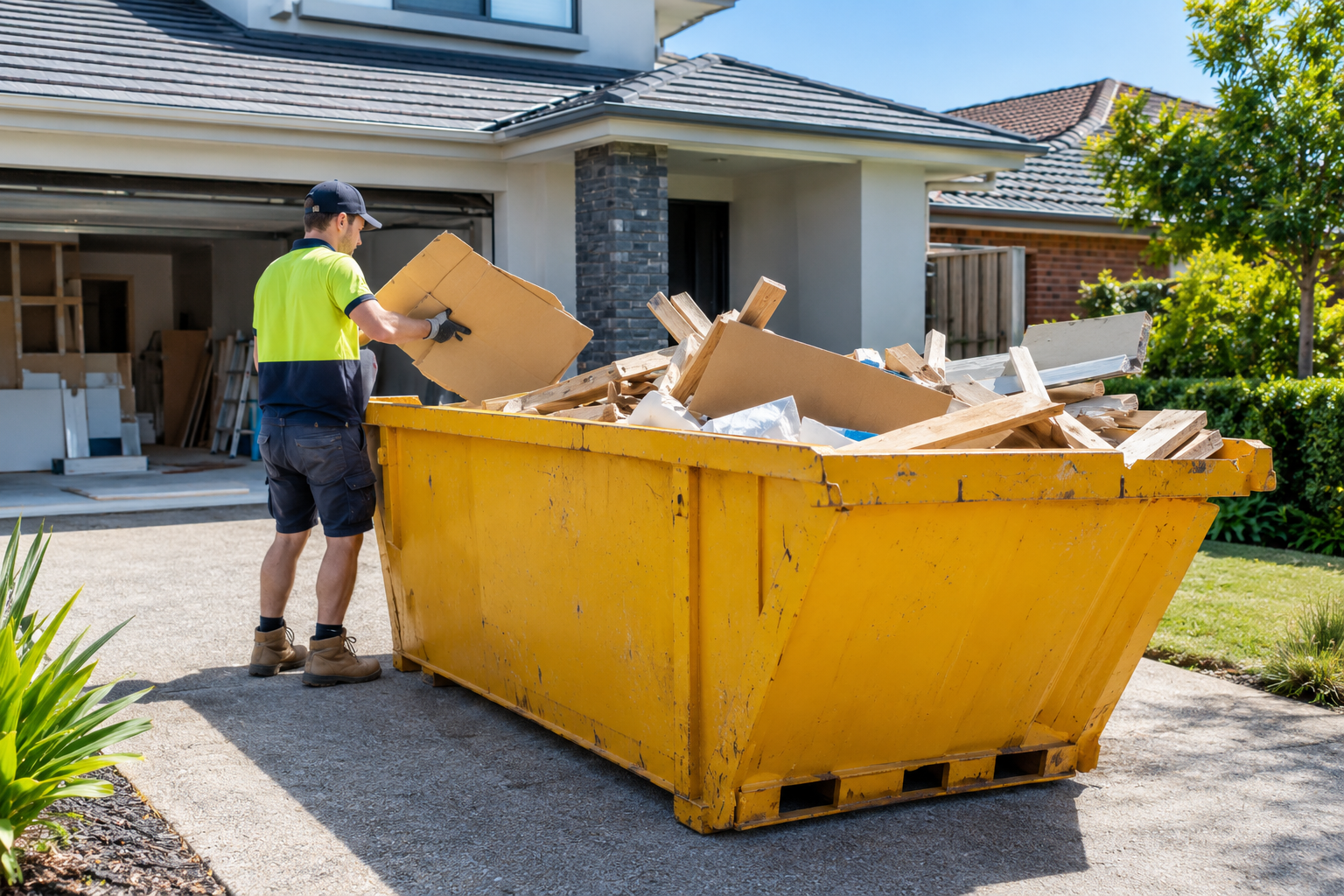
Ever found yourself staring at a mountain of rubbish after a big renovation, wondering how on earth you’re going to get rid of it all? Or perhaps you’ve ordered a skip bin before, only to discover it was way too small for your needs? Maybe you’ve even been hit with unexpected fees that left you scratching your head?
Getting skip bin hire right might seem straightforward, but there are plenty of pitfalls that can turn a simple waste removal job into a costly headache. Whether you’re tackling a home cleanout, a landscaping project, or a full-scale renovation, the choices you make when ordering a bin can significantly impact your budget and timeline. The good news? Most of these mistakes are completely avoidable with a bit of knowledge and planning.
In this guide, we’ll walk you through the eight most common mistakes people make when hiring a skip bin in Australia. From choosing the wrong size to picking a dodgy company, we’ve got you covered. By the end, you’ll know exactly what to look for, what to avoid, and how to make your skip bin hire experience as smooth and stress-free as possible. Let’s get stuck into it!
Mistake #1: Choosing the Wrong Skip Bin Size
One of the biggest blunders people make is misjudging how much waste they actually have. It’s tempting to save a few dollars by going smaller, but this often backfires spectacularly.
How Do I Know What Size Skip Bin I Need?
The best approach is to overestimate slightly. Take a good look at your project and think about everything that needs to go. A general rule of thumb: if you’re unsure between two sizes, go for the larger one. It’s much cheaper than ordering a second bin later.
Common skip bin sizes range from 2m³ (perfect for small cleanouts) to 10m³ (ideal for major renovations or construction projects). A 2m³ bin holds roughly 8-10 wheelie bins worth of rubbish, while a 4m³ suits most bathroom or kitchen renovations. For bigger jobs like house cleanouts or landscaping overhauls, you’re looking at 6m³ or larger.
The hidden costs of underestimating your waste can really sting. You’ll either need to book an additional bin or face overfilling charges. Neither option is kind to your wallet. Take photos of your waste pile, measure the area if possible, and chat with your skip bin provider—they’ve seen it all and can offer solid advice.
Mistake #2: Not Checking What You Can and Can’t Put in a Skip Bin
Here’s something that catches many people off guard: you can’t just chuck anything into a skip bin. There are strict rules about what’s allowed, and breaking them can result in hefty fines or refused collection.
What Items Are Prohibited in Skip Bins?
Hazardous materials are a definite no-go. This includes asbestos, chemicals, paint, batteries, gas bottles, and medical waste. These items require specialised disposal methods for safety and environmental reasons.
Other restricted items often include tyres, mattresses, and certain types of green waste. Some companies accept these for an additional fee, while others don’t take them at all. Always check before you start loading.
So how do you dispose of mattresses, tyres, and green waste properly? Many councils offer free or low-cost collection services for bulky items. Tyre retailers often accept old tyres, and green waste can go to dedicated recycling facilities. Planning ahead for these items saves major hassle on collection day.
Mistake #3: Forgetting to Check Council Permit Requirements
Placing a skip bin on your property is usually straightforward, but things get trickier when you need to use public space like a nature strip or street.
Do I Need a Permit for a Skip Bin on My Driveway?
Generally speaking, no permit is required if the bin sits entirely on your private property. However, if any part of the bin extends onto council land—including footpaths, nature strips, or roads—you’ll likely need approval.
Skip bin placement on public property versus private property makes all the difference. Each council has its own rules, fees, and application processes. Some require several days’ notice, while others can process permits quickly. Ignoring this step can result in fines or having your bin removed altogether.
To apply for a council permit in Australia, contact your local council directly or check their website. Most have online application forms. Your skip bin company might also handle this for you, so it’s worth asking when you book.
Mistake #4: Ignoring Delivery and Placement Logistics
Picture this: the truck arrives with your skip bin, but it can’t fit down your driveway. Now you’re scrambling to find an alternative spot while the driver waits. Not ideal.
How Much Space Do I Need for Skip Bin Delivery?
You’ll need enough room for the bin itself, plus space for the truck to manoeuvre. Delivery trucks require approximately 3 metres of width and clear overhead height of around 4 metres. Low-hanging branches, power lines, and narrow driveways can all cause problems.
Access issues like overhead wires and tight spaces are more common than you’d think. Walk your property before booking and identify any potential obstacles. Take measurements if you’re unsure, and communicate these details to your provider.
Protecting your property during drop-off is also worth considering. Placing wooden planks under the bin’s resting points can prevent damage to driveways and pavers. A good skip bin company will take care during delivery, but it doesn’t hurt to be prepared.
Mistake #5: Overlooking Hire Duration and Scheduling
Timing is everything when it comes to skip bin hire. Getting this wrong can leave you without a bin when you need it most—or paying for days you don’t actually use.
How Long Can I Keep a Skip Bin?
Most hire periods range from 3 to 14 days, with 7 days being standard. Think carefully about your project timeline before booking. Will you have everything ready to load on day one, or do you need time to sort through items?
Planning your project timeline around bin hire makes life much easier. Consider when your bin will arrive and when you’ll realistically be finished. Factor in potential delays from weather or unexpected discoveries during renovation work.
What happens if you need the bin longer than expected? Most companies offer extensions, though you’ll pay daily rates. Let them know as soon as possible—waiting until the last minute might mean your bin gets collected before you’re done.
Mistake #6: Overfilling Your Skip Bin
It might be tempting to squeeze in just a few more items, but overfilling your skip bin creates real problems.
What Happens If I Overfill My Skip Bin?
For starters, the company might refuse to collect it. Waste that extends above the bin’s sides is a safety hazard during transport. It can fall onto roads, causing accidents and environmental issues.
Understanding fill levels and weight limits is crucial. Most bins have a fill line—everything must stay below this mark. There are also weight restrictions, particularly important if you’re disposing of heavy materials like soil, concrete, or bricks.
Additional charges you might face include fees for returning to remove excess waste, weight surcharges, or even fines if items fall during transport. The simple fix? Choose a larger bin from the start, or be disciplined about what goes in.
Mistake #7: Not Comparing Skip Bin Hire Prices
Accepting the first quote you receive is a classic mistake. Prices vary significantly between providers, and understanding what’s included matters just as much as the headline figure.
How Much Does Skip Bin Hire Cost in Australia?
Prices depend on location, bin size, hire duration, and waste type. A small 2m³ bin might cost anywhere from $150 to $300, while larger bins can run $400 to $800 or more. Regional areas sometimes have higher delivery fees.
What’s included in the quoted price? Always ask. Reputable companies include delivery, collection, and disposal in their quote. Others might tack on extras like environmental levies, fuel surcharges, or tip fees.
Cheap skip bin hire isn’t always worth it. Rock-bottom prices sometimes mean hidden charges, poor service, or improper waste disposal. Check reviews, ask questions, and ensure you’re comparing like with like before committing.
Mistake #8: Choosing the Wrong Skip Bin Company
Not all skip bin providers are created equal. The company you choose affects everything from pricing transparency to how your waste is handled.
What Should I Look for in a Skip Bin Hire Company?
Look for established businesses with positive reviews, clear pricing, and responsive customer service. They should be licensed, insured, and able to answer your questions confidently.
Questions to ask before booking include: What’s included in the price? What happens if I need to extend? Do you recycle? What items aren’t accepted? How quickly can you deliver?
Red flags to watch out for include vague pricing, no physical address, poor communication, and reluctance to provide written quotes. Trust your instincts—if something feels off, keep looking.
Bonus Tips for a Smooth Skip Bin Hire Experience
Sorting your waste before the bin arrives saves time and maximises space. Separate recyclables, check for prohibited items, and break down large pieces where possible.
Maximising space in your skip bin is all about strategic loading. Place flat items like timber and cardboard along the bottom, fill gaps with smaller items, and distribute weight evenly. Think of it like a giant game of Tetris!
Conclusion: Making Skip Bin Hire Stress-Free
Getting skip bin hire right doesn’t have to be complicated. By avoiding these eight common mistakes—from choosing the wrong size to picking an unreliable company—you’ll save money, time, and plenty of frustration.
The key takeaways? Always overestimate your bin size, check what’s allowed before loading, sort out permits early, and take time to compare providers. A little preparation goes a long way toward a hassle-free experience.
So next time you’re facing a mountain of rubbish, you’ll know exactly what to do. Take your time, ask the right questions, and choose a reputable company that makes the whole process easy.
If you’re planning your next clean-up project, choosing reliable skip bin hire in Brooklyn can help make rubbish removal simple, convenient, and stress-free.
Your project—and your wallet—will thank you for it. Happy decluttering!
