
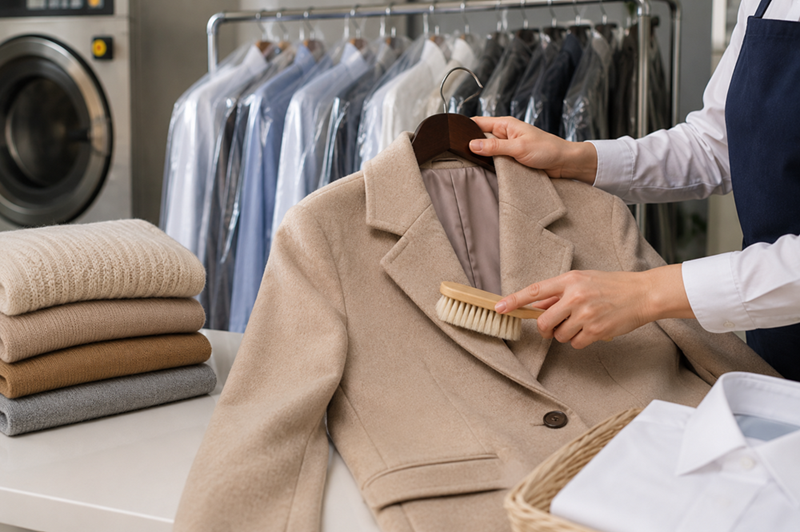
Most people toss their clothes into the wash without a second thought. But those little tags sewn into collars & waistbands carry important information. In Australia, care labels follow a standard system set out by consumer law! Once you learn to read them, you’ll dodge plenty of ruined outfits & wasted money. It takes about thirty seconds to check a label, & that small habit can often save you a serious repair bill later on.
Reading your clothes’ care labels
The diamonds, circles, and triangles on a label each mean something specific. A circle means dry cleaning only! If you see a circle with a line through it, that garment can’t be dry cleaned at all. A triangle means bleach is allowed, & a square with a circle inside refers to tumble drying. These symbols aren’t just decorative. They’re a fast way to gauge what your garment can easily handle, & they take the guesswork out of laundry day, which explains why careful buyers treat any decision about dry cleaners as something to research rather than rush.
Practical Advice On Reading your clothes’ care labels
- A plain circle: professionally clean only.
- A crossed‑out circle: don’t dry clean
- An underlined circle: use a mild cleaning process.
Some fabrics simply don’t respond well to water. Wool suits, silk blouses, & tailored jackets can easily shrink, stretch, or lose their shape in a washing machine. That’s where a professional service comes in. A good dry cleaner knows how to treat delicate materials, lift stains without harming the fibre, & press the garment so it looks brand new, & it’s the kind of detail that often separates a good result from a disappointing one when you invest in dry cleaners.
But you also need to watch what you send away. Beaded dresses, leather jackets, & anything with plastic embellishments can be risky. Some items won’t survive the process even in expert hands. If you’re unsure, ask before handing over your clothes. Most cleaners will quickly give you honest advice, because they’d rather turn down a job than wreck your favourite coat & deal with the fallout. That kind of upfront communication saves everyone time & trouble!
On the Flip Side, Know
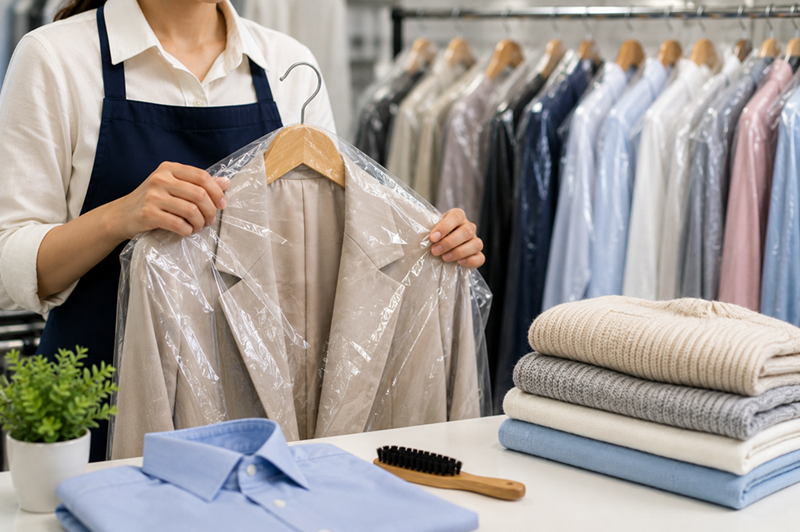
On the flip side, know when NOT to use a cleaner. Everyday cotton shirts, denim jeans, & most knitwear are fine to launder at home! You don’t need to pay for professional cleaning for everything. Save your money for the pieces that genuinely need special care. And it’s worth asking your local dry cleaner whether they offer an eco‑friendly option. More Australian businesses now use wet cleaning methods or solvent‑free techniques that are gentler on your clothes & the environment, which ties directly back to how you should always judge dry cleaners in the first place. It’s a simple question, and a reasonable thing to find out before you commit. You might also ask about turnaround times & pricing, since these vary a lot between suburbs and cities.
What to look for in a reliable cleaner
Finding a good cleaner isn’t always straightforward. You want someone who treats your clothes with respect, not just a machine that stamps them through a chemical bath. Not all dry cleaners are the same. Some are careful, others just rush through! Start by asking around. Neighbours, colleagues, even the barista at your local cafe might easily have a solid recommendation. In Australian towns, the best spots are often the ones that have been there for years, run by people who know their regulars by name, a factor that quietly shapes the long‑term results you get from dry cleaners. Online reviews help but take them with a grain of salt. A single bad review might just be a grumpy customer.
When you first walk into a shop, pay attention to how they act. Do they ask you about stains or specific concerns? A reliable cleaner will usually inspect your garments right then & there, pointing out potential risks before they arise, and will also explain their process, just as many experienced dry cleaners do when ask about their methods. Some use traditional perchloroethylene, while others have switched to greener solvents!
Things To Know About What to look
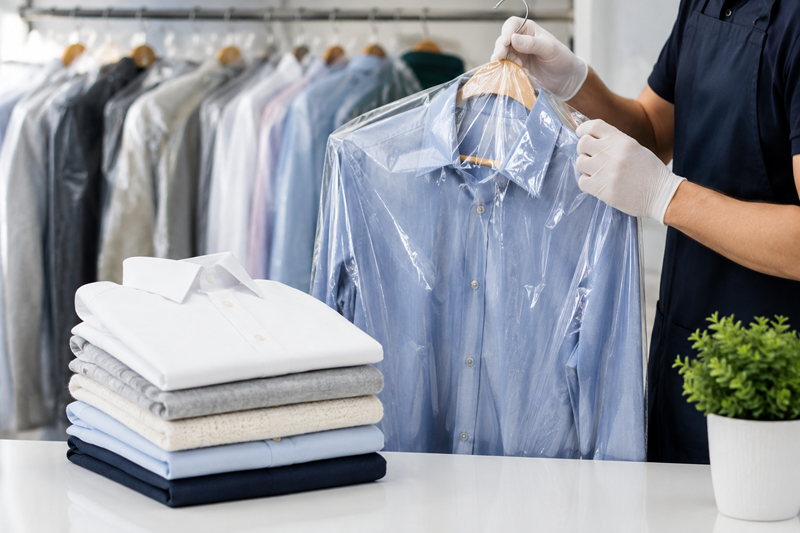
Don’t be shy to ask, which one they use, especially if you’ve sensitive skin or kids’ clothes, which is why it pays to read the fine print before you commit to dry cleaners. Also, ask about their turnaround. Most places do a three‑day turn, but many offer express service for an extra fee. And don’t forget to check if they provide a written quote! A good shop will often give you an itemised list, so you know exactly what you’re paying for.
Price matters, obviously. But the cheapest option is rarely the best. If a place quotes you half of what everyone else charges, they might be cutting corners, like skipping a pre‑treatment or rushing the drying cycle, & that context makes the wider picture around dry cleaners much easier to read. Look for transparent pricing. A decent shop will often give you a clear estimate upfront, and they won’t tack on hidden fees for hangers or packaging. Also, see if they offer pickup & delivery! It’s a nice touch, especially if you’re busy. Many shops now run loyalty programs too, where every.
Conclusion and Your Next Move
Getting dry cleaners right mostly comes down to a few simple habits. Come back to the sections above whenever a detail slips your mind! Compare what you learned with your own circumstances, then decide at your own pace.
