
Are you tired of watching rainwater pool on your driveway every time there’s a decent downpour? Have you noticed puddles forming in your outdoor areas, creating slippery hazards and unsightly mess? Perhaps you’re wondering if there’s a smarter way to manage stormwater while still having a beautiful, functional outdoor space?
If you’re nodding along, you’re not alone. Thousands of Australian homeowners and business owners are discovering the benefits of permeable paving. This clever solution allows water to drain naturally through the surface, reducing runoff and helping the environment. But here’s the thing—getting it right depends heavily on finding the right contractor for the job.
In this guide, we’ll walk you through everything you need to know about permeable paving. You’ll learn how it works, why it’s becoming so popular across Australia, and most importantly, how to find reputable contractors in your area. We’ll also cover costs, materials, and common mistakes to avoid. By the end, you’ll feel confident making the right choice for your property.
What Is Permeable Paving and How Does It Work?
Permeable paving is exactly what it sounds like—a paving system that allows water to pass through it. Unlike traditional concrete or asphalt, which creates an impermeable barrier, permeable surfaces let rainwater seep into the ground below.
Types of Permeable Paving Materials
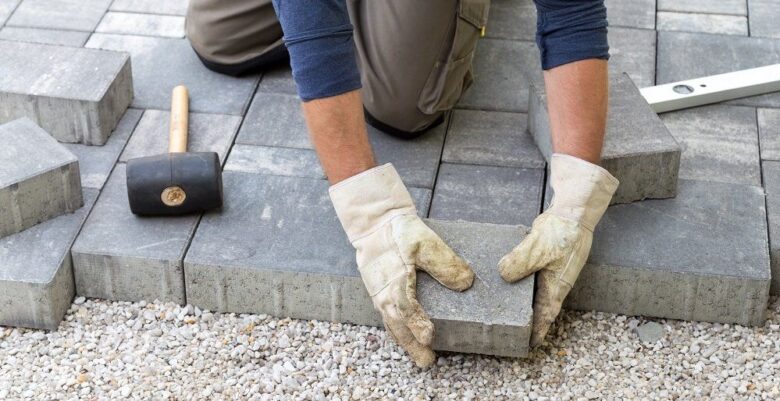
There’s a variety of materials available, each with its own look and benefits. Permeable concrete pavers feature small gaps between them, filled with gravel or aggregate. Porous asphalt and concrete have tiny voids throughout the material itself. Grass pavers use a grid system that supports vehicle weight while allowing grass to grow through. Gravel systems with containment grids keep loose stone in place while maintaining excellent drainage.
How Permeable Pavers Manage Stormwater
When rain falls on permeable paving, it filters through the surface and into a specially prepared base layer. This base typically consists of crushed rock or aggregate that acts as a reservoir. The water then slowly infiltrates into the underlying soil or is directed to stormwater systems. This process mimics natural drainage, reducing the burden on municipal stormwater infrastructure.
Why Should You Choose Permeable Paving for Your Driveway or Outdoor Space?
Making the switch to permeable paving offers multiple advantages that go beyond simply avoiding puddles. Let’s break down why so many Australians are making this choice.
Environmental Benefits
Permeable paving significantly reduces stormwater runoff, which helps prevent flooding and erosion. It also filters pollutants like oil and sediment before they reach waterways. Plus, it allows groundwater recharge, supporting the natural water cycle. In a country where water management is increasingly important, these benefits really matter.
Long-Term Cost Savings
While the upfront cost might be slightly higher, permeable paving can save you money over time. You’ll likely spend less on drainage infrastructure since the paving handles much of the work. There’s also reduced risk of water damage to your property. Some councils even offer rebates or reduced stormwater levies for properties with permeable surfaces.
Council Compliance and Water Regulations
Many Australian councils now require a certain percentage of permeable surfaces on new developments. Even if you’re renovating, installing permeable paving can help you meet sustainability requirements. It’s worth checking with your local council about specific regulations and potential incentives.
How Do I Find the Best Permeable Paving Contractors Near Me?
Finding a skilled contractor is crucial to getting a quality result. Not all paving contractors have experience with permeable systems, so you’ll need to do some homework.
What to Look for in a Reputable Contractor
Start by seeking out contractors who specialise in permeable paving specifically. Look for a portfolio of completed projects, ideally with photos and client testimonials. Experience with your chosen material type is important, as installation techniques vary. A knowledgeable contractor should be able to explain the entire process clearly and answer your questions confidently.
Checking Licences, Insurance and Reviews
Always verify that your contractor holds the appropriate building or trade licences for your state. Public liability insurance and workers’ compensation coverage are non-negotiable. Check online reviews on Google, Facebook, and industry platforms. Don’t be shy about asking for proof of qualifications—any reputable contractor will happily provide this
How Much Does Permeable Paving Cost in Australia?
Let’s talk numbers. Understanding the cost factors helps you budget appropriately and compare quotes fairly.
Factors That Affect Installation Pricing
Several elements influence the final price tag. The type of material you choose makes a significant difference—grass pavers generally cost less than porous concrete systems. Site preparation requirements vary depending on existing conditions and soil type. The size and complexity of your project also play a role. Access to your property can affect labour costs too.
Is Permeable Paving More Expensive Than Traditional Paving?
Generally speaking, permeable paving costs about 10-30% more than conventional options. However, when you factor in reduced drainage infrastructure needs and potential council incentives, the gap narrows considerably. Many homeowners find that the long-term benefits outweigh the initial investment.
Is Permeable Paving Suitable for Commercial Properties?
Absolutely. In fact, commercial applications are growing rapidly across Australia as businesses recognise the benefits.
Benefits for Car Parks and High-Traffic Areas
Large paved areas like car parks generate enormous amounts of stormwater runoff. Permeable paving dramatically reduces this, potentially eliminating the need for expensive detention basins. It also reduces the urban heat island effect, keeping your property cooler during summer months.
Meeting Sustainability Requirements
Many commercial developments now face sustainability targets as part of planning approvals. Permeable paving can contribute to green building certifications and demonstrate environmental responsibility to customers and stakeholders. It’s a visible commitment to sustainable practices.
How Long Does Permeable Paving Last?
Understanding lifespan expectations helps you evaluate the true value of your investment.
Lifespan Expectations
Well-installed permeable paving typically lasts 20-40 years, depending on the material and conditions. Quality concrete pavers at the higher end of this range, while gravel-based systems may need more frequent maintenance. The key is choosing appropriate materials for your specific use case and traffic levels.
Maintenance Tips to Extend Durability
Regular maintenance keeps your permeable paving performing well. Sweep or vacuum the surface quarterly to prevent joint clogging. Address any settling or movement promptly before it becomes a bigger issue. Avoid using sand or salt for winter treatment, as these can block drainage pathways. Annual inspections help catch minor problems early.
Making the Right Choice for Your Property
Choosing permeable paving for your property is a decision that benefits both you and the environment. From reducing stormwater runoff to potentially saving money on drainage infrastructure, the advantages are compelling. The key to success lies in finding experienced, reputable contractors who understand the specific requirements of permeable systems.
Take your time during the selection process. Ask plenty of questions, check credentials thoroughly, and don’t be afraid to request references. A skilled contractor will welcome your due diligence and be happy to demonstrate their expertise. Remember that the cheapest quote rarely delivers the best value when it comes to specialist paving work.
Whether you’re upgrading a residential driveway or tackling a commercial car park, permeable paving offers a smart, sustainable solution. By following the guidance in this article, you’re well-equipped to find the right contractor and make a choice you’ll be happy with for decades to come. Good luck with your project—your future self (and the environment) will thank you!


