
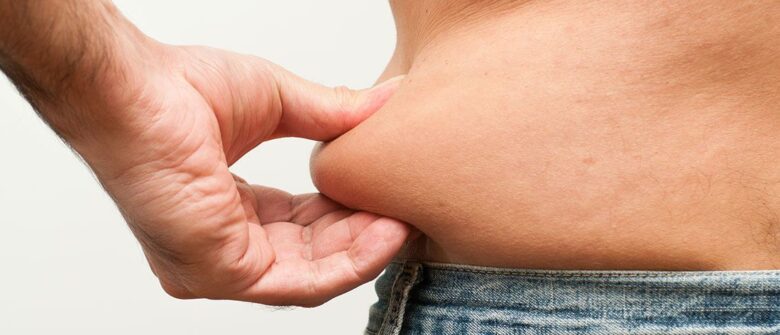
Have you worked incredibly hard to shed those extra kilos, only to find yourself dealing with loose, sagging skin? Does the mirror show a different story than what you expected after your weight loss journey? You’re definitely not alone in this frustrating experience.
Loose skin after significant weight loss is far more common than most people realise. When you lose a substantial amount of weight—whether through diet, exercise, or bariatric surgery—your skin sometimes struggles to bounce back. This is where loose skin removal solutions become an important consideration. Skin loses elasticity over time, and rapid or major weight loss doesn’t always allow it to adjust to your new body shape.
In this article, we’ll explore everything you need to know about loose skin removal. From non-surgical skin tightening treatments to advanced body contouring procedures and surgical loose skin removal, we’ve got you covered. We’ll also break down the costs involved, especially for those in Australia, and explore natural methods that may help improve skin elasticity. By the end, you’ll have a clear understanding of which loose skin removal approach might be best suited to your needs.
Why Does Loose Skin Happen After Weight Loss?
Understanding why loose skin occurs helps you make better decisions about treatment. Your skin contains collagen and elastin—proteins that give it structure and flexibility. When you carry extra weight for an extended period, your skin stretches to accommodate it. Over time, this damages those essential proteins.
Several factors determine how much loose skin you’ll experience. Age plays a significant role because collagen production naturally decreases as we get older. The amount of weight lost matters too—someone who loses 50 kilos will likely have more loose skin than someone who loses 15. Plus, how quickly you lost the weight and your genetics both influence your skin’s ability to snap back.
People who’ve had bariatric surgery or lost substantial weight over a short period are most affected. Sun damage, smoking, and poor nutrition can also weaken skin elasticity, making it harder for your skin to recover.
Non-Surgical Skin Tightening Treatments
If you’re not ready for surgery, non-surgical skin tightening treatments offer promising alternatives. These options work best for mild to moderate loose skin and can provide noticeable improvements without the downtime associated with surgical procedures.
Radiofrequency Skin Tightening
Radiofrequency treatments use energy waves to heat the deeper layers of your skin. This stimulates collagen production and tightens existing fibres. Sessions typically take 30-60 minutes, and most people need multiple treatments for optimal results. The procedure is generally comfortable, with many describing it as a warm massage sensation.
Ultrasound Therapy
Ultrasound therapy targets skin at precise depths, triggering your body’s natural healing response. This treatment works particularly well for the face, neck, and décolletage. Results develop gradually over two to three months as new collagen forms.
Laser Skin Tightening
Laser treatments penetrate the skin’s surface to boost collagen without damaging the outer layer. They’re effective for smaller areas and can improve skin texture alongside tightening. Multiple sessions are usually recommended.
Do Skin Tightening Creams Actually Work?
Here’s the honest truth—while creams containing retinol, vitamin C, and hyaluronic acid can improve skin appearance, they won’t dramatically tighten significantly loose skin. They’re best used alongside other treatments or for maintaining results after procedures.
Skin Removal Surgery: A Comprehensive Guide
When non-surgical methods aren’t enough, skin removal surgery might be the answer. This surgical approach removes excess skin and tissue, giving you a smoother, more toned appearance.
When Should You Consider Skin Removal Surgery?
Consider surgery when you’ve maintained a stable weight for at least 6-12 months and have significant loose skin that causes physical discomfort or affects your quality of life. Skin that rubs together can cause rashes, infections, and mobility issues—making surgery a health consideration, not just a cosmetic one.
Types of Skin Removal Surgery Procedures
Common procedures include tummy tucks (abdominoplasty), arm lifts (brachioplasty), thigh lifts, and body lifts. A body lift addresses multiple areas simultaneously and is often recommended after massive weight loss. Your surgeon will recommend specific procedures based on where your loose skin is most problematic.
What to Expect During Recovery
Recovery from skin removal surgery takes time and commitment. Expect to take 2-4 weeks off work, with full recovery taking several months. You’ll need to wear compression garments, avoid strenuous activity, and attend follow-up appointments. While recovery requires patience, most people find the results transformative.
Natural Methods for Tightening Loose Skin
While natural methods won’t dramatically transform severely loose skin, they can improve skin quality and appearance. These approaches work best for mild cases or alongside other treatments.
Can Exercise Help Tighten Loose Skin?
Exercise alone won’t tighten loose skin, but building muscle underneath can improve your overall appearance. Strength training fills out some of that loose skin, creating a firmer look. Focus on resistance exercises targeting areas where you have loose skin.
Nutrition and Hydration for Skin Elasticity
What you eat matters for skin health. Protein supports collagen production—aim for adequate intake daily. Vitamins C and E, zinc, and omega-3 fatty acids all contribute to skin elasticity. Stay well-hydrated, as dehydrated skin appears more saggy.
Building Muscle to Improve Skin Appearance
Consistent strength training over months can genuinely help. As muscles grow, they provide structure beneath the skin. While this approach requires patience and dedication, it’s a healthy complement to any treatment plan.
Taking the Next Step Towards Your Goals
Dealing with loose skin after weight loss can feel disheartening, but effective loose skin removal solutions do exist. From non-surgical skin tightening treatments and body contouring to surgical loose skin removal, you have a range of options to help you achieve the body you’ve worked so hard for.
The best loose skin removal approach depends on your individual situation—the extent of loose skin, your budget, overall health, and personal preferences all play a role. Non-surgical treatments are often suitable for mild cases, while surgical loose skin removal is typically more effective for significant excess skin. Natural methods can also support and enhance any treatment plan you choose.
Whatever path you take, it’s important to consult with qualified professionals who understand your journey. Speak with experienced surgeons or dermatologists, ask questions, and take the time to make an informed decision. You’ve already accomplished something incredible—now it’s about choosing the right loose skin removal solution to feel confident and comfortable in your new body.


