
Have you ever wondered why some cars seem to run smoothly for decades while others struggle to make it past the five-year mark? What separates the vehicles that clock 300,000 kilometres from those that become money pits after just 100,000? And more importantly, which category will your car fall into?
The truth is, the difference often comes down to one simple thing: maintenance. Regular car care isn’t just about keeping your vehicle looking good it’s about protecting one of the biggest investments you’ll ever make. Whether you’re driving a brand-new hatchback or a trusty family SUV, the habits you develop today will determine how long your car serves you reliably.
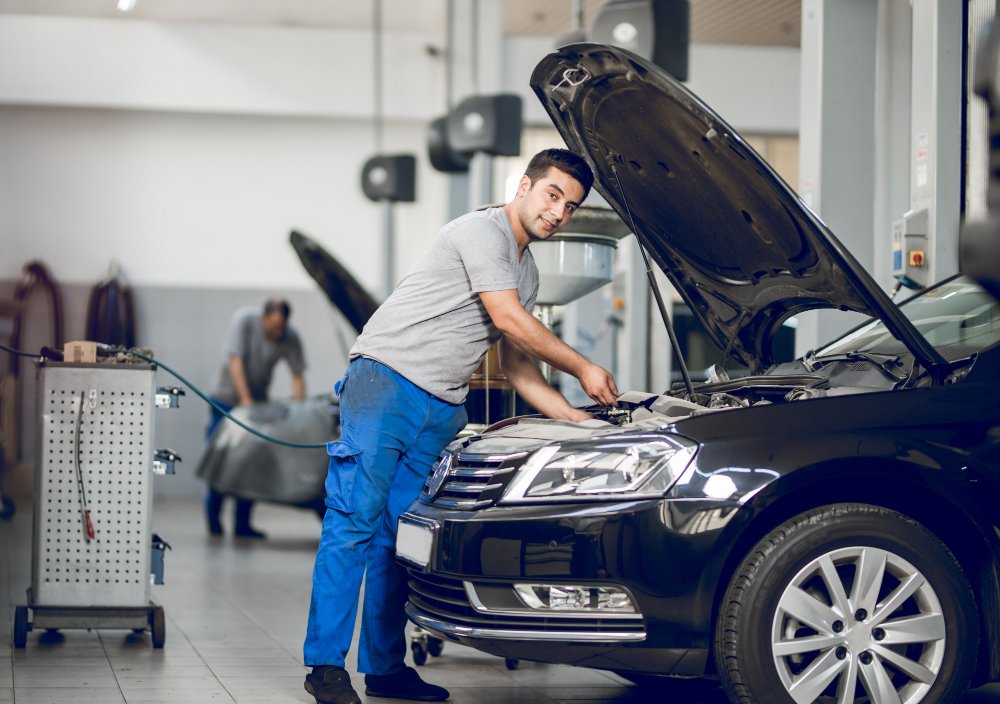
In this guide, we’ll walk you through everything you need to know about keeping your car in top shape. From understanding service intervals to mastering basic fluid checks, tackling tyre care, and knowing when your brakes need attention, you’ll learn practical tips that save money and prevent breakdowns. Plus, we’ll help you create a simple maintenance schedule that fits into your busy life. Let’s get stuck into it.
How Often Should You Service Your Car?
Understanding Manufacturer Service Intervals
Your car’s manufacturer knows their vehicle better than anyone, which is why following their recommended service intervals makes sense. Most modern cars need servicing every 10,000 to 15,000 kilometres or every 12 months whichever comes first. You’ll find these details in your owner’s manual or service book.
These intervals aren’t arbitrary numbers. Engineers design them based on how long components typically last and when fluids begin to degrade. Sticking to the schedule keeps your warranty valid and catches small issues before they become expensive problems.
Signs Your Car Needs Servicing Before the Schedule
Sometimes your car tells you it needs attention before the odometer hits that magic number. Warning lights on your dashboard are obvious signals, but there are subtler signs too. Unusual noises, decreased fuel efficiency, rough idling, or a sluggish response when accelerating all suggest something’s not quite right.
Don’t ignore these warnings. Addressing issues early often costs far less than waiting until something fails completely. Think of it like visiting the doctor when you feel unwell rather than waiting until you need emergency care.
Essential Fluid Checks Every Car Owner Should Master
Engine Oil: The Lifeblood of Your Vehicle
Engine oil lubricates moving parts, reduces friction, and helps regulate temperature. Without it, your engine would seize within minutes. Checking your oil level takes less than two minutes and could save you thousands in repairs.
Park on level ground, wait a few minutes after turning off the engine, then pull out the dipstick. Wipe it clean, reinsert it fully, and check where the oil level sits. It should fall between the minimum and maximum markers. While you’re at it, note the colour healthy oil appears amber or light brown, while black, gritty oil needs changing.
Coolant Levels and Preventing Overheating
Australian summers push cooling systems hard. Low coolant levels can lead to overheating, which causes serious engine damage. Check your coolant reservoir monthly, especially before long trips or during warmer months.
Never open a hot radiator cap the pressurised steam can cause severe burns. Wait until the engine cools completely before checking. If you’re constantly topping up coolant, you might have a leak that needs professional attention.
Brake Fluid, Power Steering, and Transmission Fluids
These fluids often get overlooked, but they’re just as important. Brake fluid absorbs moisture over time, reducing its effectiveness. Power steering fluid keeps your steering smooth and responsive. Transmission fluid ensures gear changes happen seamlessly.
Most reservoirs have minimum and maximum markers. A quick visual check during your regular maintenance routine helps you spot potential issues early. If any fluid appears contaminated or sits below the minimum line, it’s time for action.
What Car Maintenance Can I Do Myself?
Easy DIY Tasks for Beginners
You don’t need to be a mechanic to handle basic maintenance. Replacing windscreen wipers takes about five minutes and improves visibility dramatically. Checking and topping up washer fluid is even simpler. Replacing air filters and cabin filters requires minimal tools and basic know-how.
Changing a flat tyre is another essential skill every driver should have. Keep your spare properly inflated and your jack in good working order. YouTube tutorials make learning these tasks straightforward, and you’ll feel accomplished knowing you can handle basic problems yourself.
When to Leave It to the Professionals
That said, some jobs require specialist tools, knowledge, and safety equipment. Brake repairs, timing belt replacements, electrical diagnostics, and anything involving the fuel system should go to qualified mechanics. Attempting complex repairs without proper training often creates bigger problems.
Finding a trustworthy mechanic is worth its weight in gold. Ask friends for recommendations and read online reviews. A good mechanic explains issues clearly, provides written quotes, and never pressures you into unnecessary work.
Tyre Care: More Important Than Most Drivers Realise
How Often Should Tyres Be Rotated?
Tyre rotation extends tyre life by spreading wear evenly across all four wheels. Most manufacturers recommend rotating tyres every 8,000 to 10,000 kilometres. Front tyres typically wear faster because they handle steering and carry more weight in most vehicles.
Many service centres include rotation as part of standard servicing. If yours doesn’t, request it specifically. The small extra cost pays dividends in extended tyre life.
Checking Tyre Pressure and Tread Depth
Under-inflated tyres increase fuel consumption, wear unevenly, and compromise handling. Over-inflated tyres reduce grip and wear prematurely in the centre. Check pressures monthly using a reliable gauge, and always check when tyres are cold.
The legal minimum tread depth in Australia is 1.5mm, but safety experts recommend replacing tyres at 3mm. The simple coin test works well: insert a 20-cent coin into the tread groove. If the platypus’s bill is visible, your tyres need replacing soon.
Choosing the Right Tyres for Australian Conditions
Australian roads demand tyres suited to local conditions. If you mostly drive on suburban streets, standard all-season tyres work perfectly. However, if you regularly travel through rural areas or face wet conditions, consider tyres with enhanced wet-weather performance.
Quality tyres are worth the investment. They’re your only contact with the road, affecting braking, handling, and safety. Don’t compromise on this crucial component.
Battery Maintenance and Avoiding Unexpected Breakdowns
How Long Do Car Batteries Last?
Most car batteries last between three and five years, though extreme temperatures and driving habits affect lifespan. Short trips where the engine barely warms up are particularly hard on batteries because they don’t fully recharge.
Australian heat accelerates battery degradation. If your battery is approaching three years old, consider having it tested. Many auto stores offer free battery testing.
Warning Signs of a Failing Battery
A slow engine crank when starting is the classic warning sign. You might also notice dimming headlights, electrical issues, or the battery warning light illuminating. A rotten egg smell indicates internal problems requiring immediate attention.
Don’t wait for a complete failure to leave you stranded. If you notice any warning signs, get your battery tested promptly. Replacement batteries are relatively affordable, and installation takes minutes.
Brakes: Keeping You and Your Family Safe
How Do I Know If My Brakes Need Replacing?
Your brakes give plenty of warning before they fail completely. Squealing or grinding noises indicate worn pads. A soft or spongy brake pedal suggests air in the lines or low fluid. If your car pulls to one side during braking, you likely have uneven wear or a sticking calliper.
Never ignore brake warning signs. Your ability to stop quickly could save lives. Have any concerning symptoms inspected immediately.
Brake Pad vs Rotor Replacement
Brake pads wear down gradually and typically need replacement every 30,000 to 70,000 kilometres, depending on driving style. Rotors last longer but eventually need resurfacing or replacement too.
Replacing pads before they wear completely prevents rotor damage, saving money long-term. When mechanics recommend rotor replacement, ask them to show you the wear. Honest mechanics happily demonstrate why work is necessary.
Seasonal and Climate-Based Maintenance Considerations
Australia’s diverse climate zones mean different maintenance priorities depending on where you live. Northern regions face extreme heat and humidity, demanding extra attention to cooling systems and air conditioning. Southern areas experience colder winters requiring battery checks and proper antifreeze levels.
Before any long trip, particularly across climate zones, perform a basic vehicle inspection. Check all fluids, inspect tyres, test lights, and verify your spare tyre’s condition. A little preparation prevents roadside emergencies in remote areas.
Creating a Simple Car Maintenance Schedule
Organisation makes car maintenance manageable. Create a simple spreadsheet or use a smartphone app to track service dates, mileage readings, and completed work. Set reminders for upcoming maintenance based on either time or distance intervals.
A basic monthly routine takes just fifteen minutes: check tyre pressures, inspect fluid levels, test all lights, and look under the car for leaks. These quick checks catch problems early and build good habits that protect your investment.
Small Habits, Big Savings
Looking after your car doesn’t require mechanical expertise or expensive tools. It requires attention, consistency, and a willingness to address small issues before they become major problems. The habits you build today determine whether your car remains reliable for years to come or becomes a source of constant frustration and expense.
We’ve covered the essentials: understanding service intervals, mastering fluid checks, tackling basic DIY tasks, caring for tyres and batteries, and keeping your brakes in top condition. Each element plays a vital role in your vehicle’s longevity and your family’s safety.