

Dreading the flooring hunt in Canterbury? Understandable! But it doesn’t have to be stressful or costly if you spot the traps early. Check the slab first. I usually measure every room twice, weigh timber against hybrid, vinyl & laminate, & prep the subfloor properly, because local installers say that step alone prevents most callbacks. Budget blowouts often come from skipping moisture checks, ignoring the older building styles, or failing to ask about the damp weather before signing anything. Have a plan yet?
Planning Your Flooring Project the Smart Way
Picking flooring for a Canterbury home? Tricky! I’ve seen plenty of older weatherboard places alongside newer brick veneer builds, & honestly, each one reacts differently to moisture & temperature swings. So walk through every room, check the subfloor’s condition carefully, & jot down the exact dimensions, because that measurement is the foundation of every single decision you’ll make after this. Don’t rush it.
Which rooms see the most mess? Kitchen & bathroom need waterproof surfaces, while a home office suits warm, quiet hardwood underfoot. I’ve seen showroom displays charm plenty of people, but trends fade fast & your daily reality doesn’t, so always choose for how you live day to day. Check traffic patterns first!
Measuring Your Rooms Accurately First
Grab the tape measure & measure each room at its longest and widest points, not just the middle. I always add about ten percent to the total square meterage for cuts, mistakes, and the odd damaged board. That cushion is your best friend, because ordering too little means a second delivery, and the new batch might not match the old one. Always worth the extra.
Don’t forget doorways, hallways & built‑in robe spaces, as these are the spots where offcuts & tricky angles eat into your materials. A simple sketch of each room with all measurements marked saves a lot of back and forth later. If you’re not confident with a tape measure, most local suppliers will quickly measure for you, and that’s often worth doing before you commit to an order.
Choosing Between Timber, Hybrid, Vinyl and Laminate

Timber flooring looks fantastic & adds real value to a home, & it’s a popular choice in Canterbury’s character homes. Solid timber needs more care with humidity & can be sanded and refinished multiple times over its life. Engineered timber gives you a similar look with better stability, which is handy in rooms where moisture levels change through the year.
Hybrid flooring is a strong contender for busy households because it’s waterproof, scratch‑resistant and comfortable underfoot. Vinyl plank flooring has come a long way too, offering realistic wood looks at a friendlier price point & easy installation for DIYers. Laminate flooring is budget‑friendly & hard‑wearing, though it doesn’t like standing water, so keep it out of wet areas unless you choose a waterproof rated product.
The Hidden Costs That Usually Catch People Out
Most budget blowouts don’t come from the flooring itself but from what’s underneath it. Uneven subfloors need levelling compound, old adhesive might simply need grinding off, & rotten bearers or joists have to be repaired before anything goes down. These are the jobs that quietly add time & money to a project, so it pays to check the subfloor condition before you sign anything.
Acoustics are another silent cost, especially in units or townhouses in Canterbury where noise travels between levels. Underlayment adds to your total, but stops neighbours hearing every footstep, & it also helps with warmth & comfort. Disposal of old flooring is another expense people forget, & the removal of carpet, tiles or old boards can often add up quickly depending on how much there is.
Preparing Your Subfloor for a Flawless Finish
A smooth, clean, dry subfloor is the single biggest factor in how long your new flooring lasts. Start by removing all existing flooring & checking the concrete slab or timber base for any dampness, mould or damage. Use a moisture meter if you can really borrow one, because high moisture readings in a slab can really wreck a floating floor within months.
Level any low spots with self‑levelling compound & let it cure fully before you proceed. Sand down any high points, so the surface is even, and vacuum thoroughly so no dust or grit sits under the new floor. If you’re laying over timber boards, make sure they’re fixed down securely & there’s no squeaking that will often annoy you for years.
Working With Local Installers in Canterbury
Finding a reliable installer is often the difference between a smooth project & a nightmare. Ask neighbours and friends in Canterbury who they’ve used and check online reviews for businesses that work regularly in the area. Get at least three quotes so you can often compare not just price but also what each installer includes in their scope of work.
Ask every installer about their preparation process, timeline and what happens if they discover problems once they start. A good tradesperson will usually flag issues early rather than hiding them, & they’ll welcome you checking their qualifications & insurance. You should also ask about their guarantee & how they handle any callbacks, because a written warranty gives you peace of mind long after the job is done.
Common Installation Mistakes and How to Avoid Them
Skipping the acclimatisation step is probably the most common error people make, & it’s an easy one to avoid. Let your flooring sit in the room for at least 48 hours before installation so it adjusts to the local temperature & humidity. That simple step stops boards from expanding or contracting after they’re laid, which is a classic cause of gaps & buckling.
Another frequent mistake is ignoring the expansion gap around the edges of the room. Every floating floor needs a gap to move, and if you butt it hard against walls, it will usually lift and warp. Use spacers during installation & cover the gap with skirting boards or scotia trim, so it looks neat & still functions properly.
What To Check For Common Installation Mistakes
Finally, don’t rush the final clean‑up or move furniture back too quickly. Give adhesive or any click‑lock joints time to settle & use protective pads under heavy furniture to avoid indenting your new floor. A little patience at the end shields all the work you’ve put in!
Keeping Your Looking Great for Years
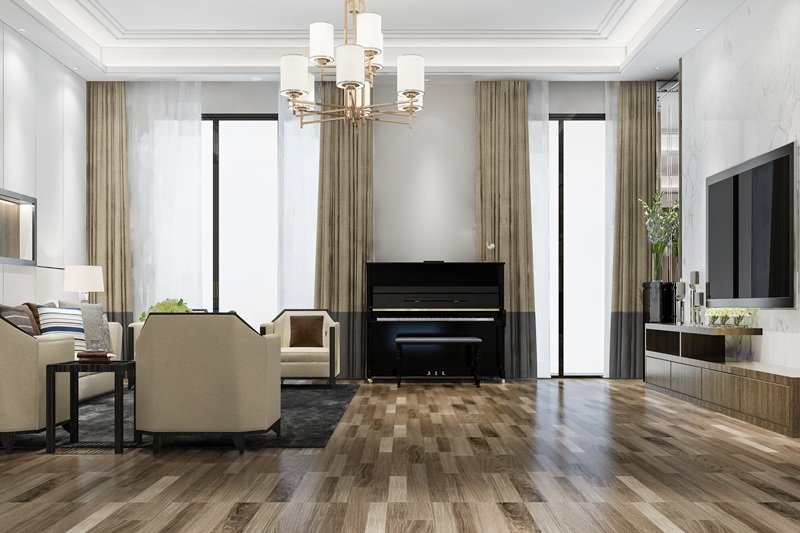
Once your new floor is down, a little regular care goes a long way. Sweep or vacuum often to remove grit that can easily scratch surfaces & use a damp mop with a product suited to your specific material. Avoid steam mops on timber and laminate, as the moisture can often damage the boards over time.
Place mats at entry points to catch dirt & moisture before it reaches the floor & consider felt pads under furniture legs to prevent scratches. For hybrid & vinyl floors, wipe up spills quickly and use a mild cleaner rather than harsh chemicals. Follow the manufacturer’s care guide & your floor should probably hold up beautifully for many years.
Local Considerations for Canterbury Homes
Canterbury’s climate brings warm, humid summers & cool winters, & that variation affects how your flooring performs. Materials that expand & contract a lot, like solid timber, need careful installation & the right expansion gaps to cope with these swings. Damp weather can also make subfloors more prone to moisture issues, so good ventilation under the house is really important for timber framed homes.
The older homes in the area often have uneven floors & non‑standard room sizes, which makes accurate measuring & flexible installers essential. Newer builds tend to have more consistent subfloors, but they still need a proper moisture check before laying anything. Local knowledge of these quirks is a real advantage when you’re picking materials & installers.
Conclusion and Your Next Step for a Smooth Install
Getting your flooring done without hidden costs comes down to planning, preparation & asking the right questions. Measure carefully, check your subfloor, choose materials that suit your home and lifestyle, and take your time selecting an installer you trust. Avoid the common mistakes like skipping acclimatisation & ignoring expansion gaps, & your new floor will usually serve you well for decades. Start with the prep work first, & the rest of the job becomes much simpler.
