
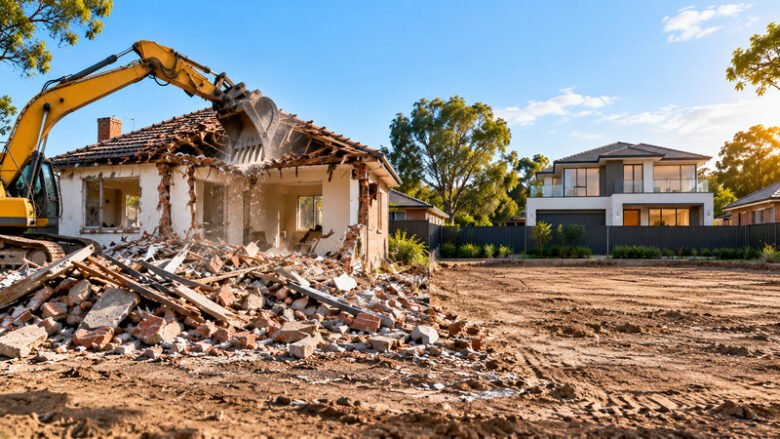
When planning a full property redevelopment, understanding the house demolition cost sydney market is the first step homeowners take. Costs vary widely depending on the size of the dwelling, the materials involved, and whether the structure is a single‑storey brick veneer or a double‑brick heritage home. Beyond the obvious price tag, hidden charges such as utility disconnections, tree removal, and waste disposal can add thousands to the final bill, so a detailed written quote is essential before any site work begins.
Selecting from the many house demolition companies sydney offers can feel overwhelming, but a few key questions cut through the noise. Ask each provider about their insurance coverage, equipment fleet, and track record with similar projects. A reputable company will happily supply references and a clear timeline, and they will be upfront about potential delays arising from weather or unexpected buried services. Compare three or more quotes to build a realistic budget and avoid surprises later.
The most common question we hear is how much does house demolition cost on average in the region. For a typical single‑storey home, expect to pay between $15,000 and $30,000; larger or brick homes may push toward $40,000 or more. These figures include crane hire, trucking, and basic site levelling, but they rarely include asbestos management or complicated disconnection fees. Always ask what exactly is included in the quoted price before signing anything.
The house demolition Greater Sydney process follows a well-established sequence that protects both workers and the surrounding community. First, a licensed surveyor evaluates the site for hazardous materials; next, the demolition crew isolates utilities and erects temporary fencing. The structure is then dismantled from the roof down, with materials segregated for recycling or disposal. Finally, the ground is levelled and compacted, leaving a clean slate for construction.
Every homeowner must secure a valid demolition permit nsw before work starts. This permit is issued by the local council or a private certifier and requires detailed plans, a structural engineer’s report, and proof of notification to neighbours. Processing can take up to four weeks, so factor that into your project timeline. The permit fee varies by council, but it is a mandatory expense for any legal demolition.
For many families, a knock down rebuild sydney project is the most efficient way to upgrade to a modern home without moving suburbs. This approach lets you keep your established neighbourhood while completely transforming your living space. It is often cheaper than renovating an older house, and the new build can be tailored to current building codes and energy‑efficiency standards, increasing long‑term value.

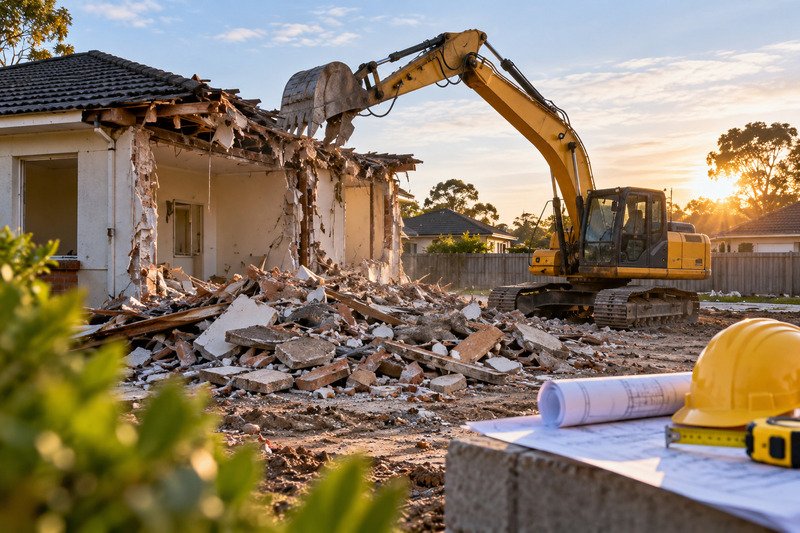
Before any machinery arrives, you will need a demolition permit from the relevant authority, confirming that your plans comply with local zoning and heritage requirements. This document also outlines conditions around noise, dust control, and working hours. Work without a permit is a serious offence and can result in fines or a stop‑work order, so always keep the approved paperwork on site.
One of the most critical steps is professional asbestos removal, which must be completed before any structural demolition begins. Asbestos was widely used in Australian homes built before 1990, and even small amounts can be hazardous if disturbed. A licensed removalist will test suspicious materials, safely extract them, and dispose of them at a certified facility. The cost of this work typically ranges from $3,000 to $10,000, depending on the extent of contamination.
Once the structure is down, the next phase involves excavation to remove old footings and underground slabs. This heavy machinery work also exposes any hidden pipes or old septic systems that were not visible earlier. Excavation depth depends on your new build’s design, and the excavated soil is often carted away or reused on site if it meets engineering standards. It is messy, dusty work, but it is vital to a stable foundation.
Finally, thorough site clearing ensures the land is ready for the next stage of construction. This includes removing rubble, roots, and any leftover debris, then grading the soil to the correct levels. A clean site also reduces the risk of pest infestations and makes it easier for surveyors to mark out your new building’s footprint. Do not skip this step, as it directly affects the quality of your new foundation.
Throughout the entire project, securing council approval is the thread that holds everything together. The council checks your plans against local regulations, including setbacks, height limits, and stormwater management. They also coordinate with utility providers to ensure gas and electricity are safely disconnected. A good demolition contractor will handle much of this paperwork, but you should stay informed at every stage.
Ultimately, hiring a licensed demolition contractor who understands Greater Sydney’s unique conditions is the safest way to proceed. The right professional will manage permits, safety protocols, and waste disposal, giving you peace of mind. They will also coordinate with your builder to ensure the site is handed over on time, ready for your new home to rise from the ground.


