
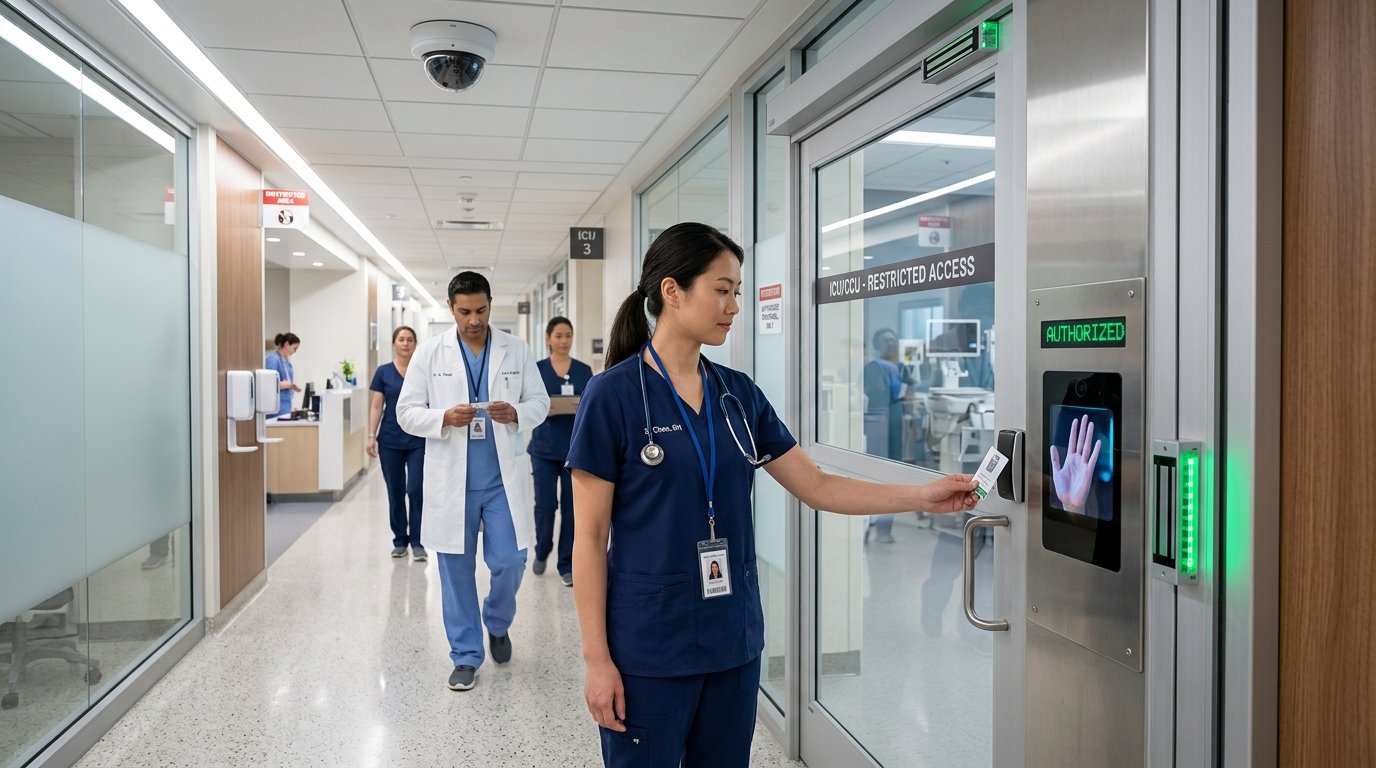
Hospitals are environments where safety, hygiene, and security are of paramount importance. Patients, staff, and visitors all rely on healthcare facilities to maintain high standards of care while minimizing risks, including the spread of infections. In this context, controlling who enters sensitive areas is crucial. This is where access control for hospitals comes into play. By regulating entry and monitoring movement within hospital premises, access control systems help maintain hygiene, prevent unauthorized access, and support infection control protocols.
Modern Hospital access control solutions are designed not just to secure facilities but also to reduce the risk of contamination. By limiting access to critical areas such as operating rooms, isolation wards, and laboratories, hospitals can significantly lower the chances of infections spreading. These systems can integrate with staff identification badges, biometric scanners, and automated monitoring software, creating a seamless and hygienic method of managing human traffic while ensuring safety and accountability.
Understanding Access Control in Hospitals
Access control systems are security solutions that restrict entry to designated areas based on predefined permissions. In a hospital setting, they are particularly valuable for protecting sensitive areas and maintaining infection control. Key components of hospital access control systems include:
- Card-based access: Staff and authorized personnel use ID cards to enter restricted areas.
- Biometric systems: Fingerprint or facial recognition ensures that only authorized individuals gain access.
- Electronic locks and turnstiles: Automatically secure doors and entry points.
- Centralized monitoring: Tracks entries and exits in real-time to ensure compliance.
These features allow hospitals to control movement efficiently, maintain hygiene standards, and support regulatory compliance in healthcare settings.

Key Benefits of Access Control for Infection Control
Restriction of Sensitive Areas
One of the primary benefits of access control in hospitals is the ability to restrict access to critical areas such as intensive care units, surgical suites, and isolation wards. By ensuring that only trained staff and authorized personnel enter these zones, hospitals minimize the risk of contamination from unnecessary traffic.
Reduction of Cross-Contamination
By controlling who enters specific areas, access control systems reduce the likelihood of cross-contamination. For instance, access can be restricted to personnel who have properly sanitized or are equipped with protective gear. This is particularly important during outbreaks of infectious diseases or in facilities handling immunocompromised patients.
Efficient Monitoring and Reporting
Modern access control systems generate logs of all entries and exits. This data is critical for infection control teams, allowing them to trace movements, identify potential exposure points, and take preventive measures promptly. Real-time monitoring ensures that compliance with hygiene and access protocols is maintained consistently.
Integration with Other Hospital Systems
Access control solutions can integrate with temperature scanning devices, automated hand sanitizers, and other smart hospital systems. For example, a staff member might be required to sanitize their hands or undergo a temperature check before gaining access to certain areas. This integration reinforces hygiene protocols and strengthens infection prevention measures.
Reduced Physical Contact
Traditional keys and manual logbooks can be vectors for infection. Electronic access control minimizes physical contact by using touchless systems such as RFID cards, mobile credentials, or biometric scanners. Reducing touchpoints helps limit the spread of pathogens throughout the hospital.
Applications of Access Control in Hospitals
Operating Rooms and Surgical Suites
Access control ensures that only surgeons, anesthesiologists, and authorized staff enter the operating room, reducing the risk of infections and maintaining sterile environments.
Isolation Wards
During infectious disease outbreaks, isolation wards require strict access control. Electronic systems help enforce these restrictions and monitor compliance without relying solely on human supervision.
Laboratories and Pharmaceutical Storage
Access control prevents unauthorized entry into labs or medication storage areas, reducing the risk of contamination or accidental exposure to hazardous materials.
General Wards and Restricted Areas
Even routine wards benefit from access management, ensuring that only hospital staff and authorized visitors enter sensitive zones, particularly during times of heightened infection risk.
Advantages Beyond Infection Control
While infection prevention is a key benefit, access control systems offer additional advantages for hospital management:
- Enhanced Security: Prevents theft of medical equipment and pharmaceuticals.
- Staff Accountability: Tracks movements of personnel for operational efficiency.
- Compliance: Supports regulatory requirements for hygiene and safety.
- Emergency Management: Facilitates rapid lockdown of areas in case of security or health emergencies.
- Visitor Management: Streamlines visitor entry while maintaining safety protocols.
Future Trends in Hospital Access Control
The future of access control in healthcare is closely tied to smart technology and automation:
- AI-Powered Access: Predictive algorithms can anticipate high-traffic areas and adjust access controls dynamically.
- IoT Integration: Connected devices allow seamless monitoring of doors, sanitizers, and environmental conditions.
- Mobile Credentials: Staff and visitors can gain access through secure mobile apps, reducing the need for physical cards.
- Contactless and Biometric Solutions: Advanced systems enhance hygiene while maintaining high security standards.
These trends indicate that hospitals are moving toward fully integrated access management solutions that combine security, efficiency, and infection control.
Conclusion
Effective infection control in hospitals requires more than hygiene protocols and medical interventions it demands strict management of human traffic within sensitive areas. Access control for hospitals provides a powerful solution, ensuring that only authorized personnel can enter critical zones, reducing cross-contamination, and supporting overall patient safety.
