
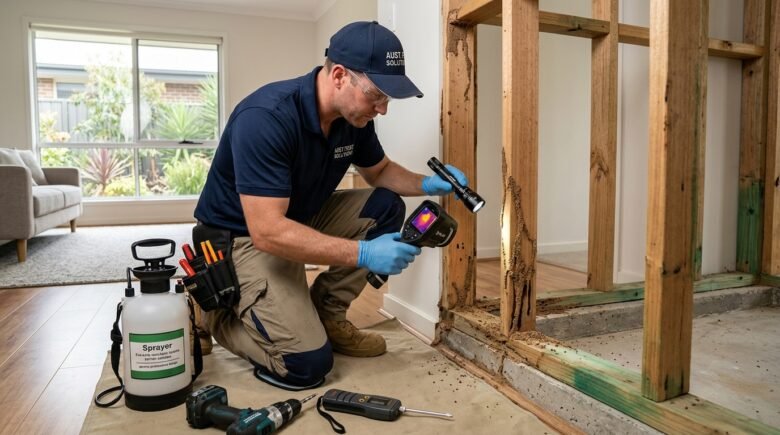
Climate change is transforming ecosystems around the world, affecting everything from weather patterns to wildlife behavior. While many people focus on rising temperatures, extreme weather events, and environmental impacts, fewer realize that climate change is also influencing pest populations. Among the pests benefiting from these changing conditions are termites, which are becoming a growing concern for homeowners and businesses alike. As temperatures rise and weather conditions become more favorable for termite activity, the need for effective termite control has never been greater.
Understanding the Connection Between Climate Change and Termites
Termites thrive in warm and humid environments. Traditionally, their activity was concentrated in regions with stable climates that provided ideal conditions for survival and reproduction. However, climate change is altering these environmental factors, allowing termite populations to expand into new areas and remain active for longer periods throughout the year.
Warmer temperatures create ideal breeding conditions for termites. Increased rainfall and humidity levels can also contribute to higher moisture content in soil and timber, making structures more attractive to termite colonies. As climate conditions continue to evolve, homeowners may find themselves facing termite risks that were previously uncommon in their region.
Rising Temperatures Lead to Increased Termite Activity
One of the most noticeable effects of climate change is the gradual increase in average global temperatures. For termites, warmer weather means longer feeding seasons and increased colony growth. In areas where colder winters once limited termite activity, milder temperatures are allowing colonies to survive and remain active throughout the year.
Termites are cold-blooded insects, meaning their activity levels are directly influenced by environmental temperatures. As temperatures rise, termites become more active, consume more wood, and reproduce more rapidly. This accelerated growth can result in larger colonies that cause extensive structural damage before they are detected.
Because of this increased activity, regular termite control inspections are becoming an essential part of property maintenance, especially in regions experiencing significant climate shifts.
Increased Rainfall and Humidity Create Ideal Conditions
Climate change is not only causing warmer temperatures but also contributing to more frequent and intense rainfall events in many parts of the world. Excess moisture plays a significant role in termite infestations, particularly for subterranean termite species that rely on damp environments to survive.
When soil becomes consistently moist, termites can establish colonies more easily and build protective mud tunnels that allow them to access structures without exposure to predators or harsh environmental conditions. Moist wood caused by leaks, flooding, or prolonged humidity further increases the attractiveness of buildings to termites.
Properties that experience poor drainage or water accumulation are particularly vulnerable. Implementing preventative termite control measures can help reduce the likelihood of infestations caused by moisture-related conditions.
Expansion of Termite Habitats
As climate zones shift, termite populations are expanding into regions where they were previously less common. Areas that once experienced temperatures too cold for termite survival are becoming increasingly suitable due to warming trends.
This expansion presents new challenges for property owners who may not have historically considered termites a significant threat. Builders, homeowners, and property managers in these emerging risk zones may be unfamiliar with the signs of termite activity or the importance of preventative treatments.
The growing geographic range of termites highlights the importance of proactive termite control strategies, even in locations that have not traditionally been associated with high termite pressure.

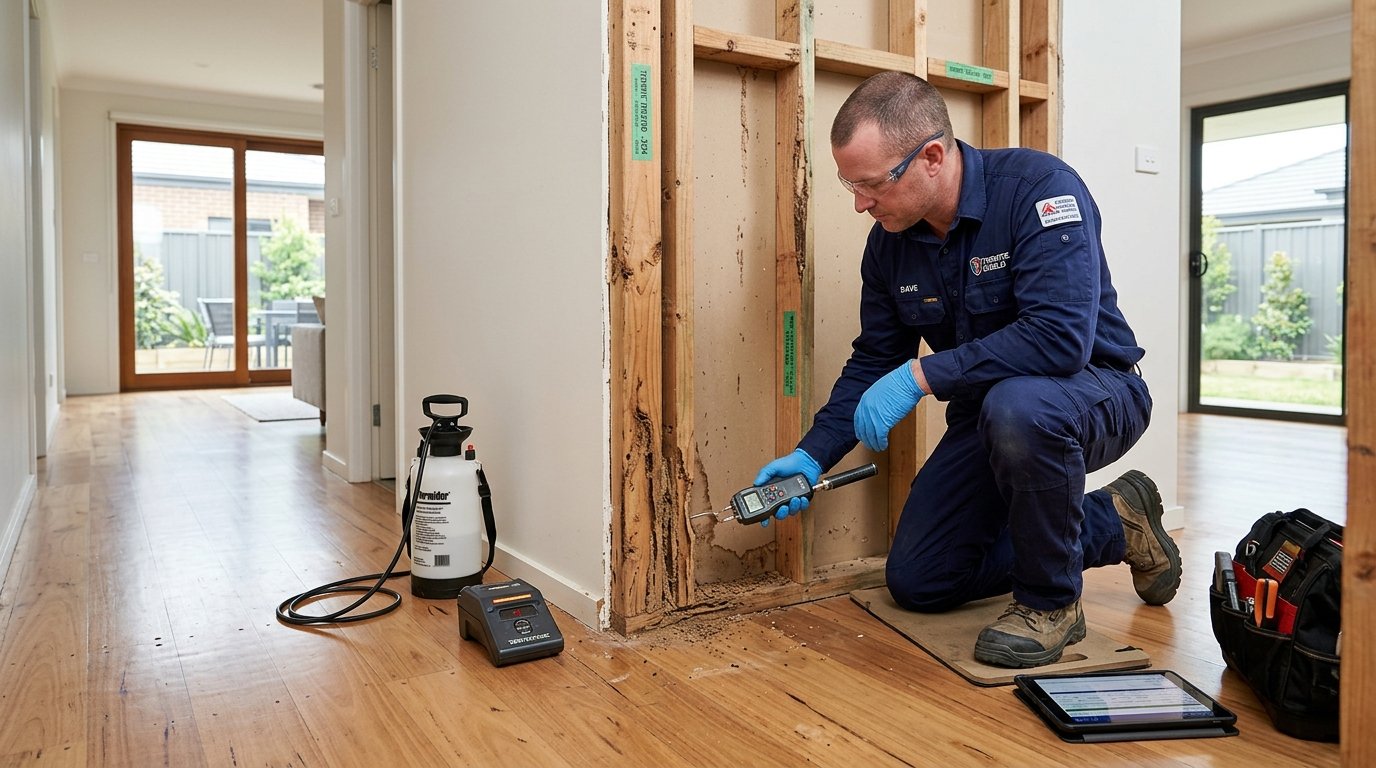
Extreme Weather Events Increase Vulnerability
Climate change has been linked to an increase in extreme weather events such as storms, floods, cyclones, and heatwaves. These events can create conditions that encourage termite infestations.
For example, storms may damage roofs and walls, allowing moisture to enter structures and create ideal conditions for termites. Flooding can weaken building materials and increase soil moisture levels around foundations. Fallen trees and wood debris left after severe weather events can also serve as food sources for termite colonies.
After extreme weather incidents, it is advisable for property owners to schedule professional inspections as part of their overall termite control and property maintenance plan.
Increased Risk for Residential and Commercial Properties
Termites are capable of causing extensive damage to homes, offices, warehouses, and other structures. Because they often remain hidden within walls, floors, and foundations, infestations can go unnoticed for months or even years.
Climate-driven increases in termite populations raise the risk of structural damage and costly repairs. Wooden frameworks, flooring systems, furniture, and other timber components can all be affected. In severe cases, termite damage can compromise the structural integrity of a building.
Investing in preventative termite control is often far more cost-effective than repairing extensive termite-related damage after an infestation has become established.
The Importance of Early Detection
As termite activity increases, early detection becomes more critical than ever. Property owners should remain vigilant for common warning signs, including:
- Mud tubes along walls and foundations
- Hollow-sounding timber
- Cracked or bubbling paint
- Discarded termite wings
- Sagging floors or ceilings
- Visible wood damage
Regular inspections by qualified pest management professionals can identify termite activity before significant damage occurs. Early intervention allows for more effective treatment and minimizes repair costs.
Modern Termite Control Solutions
Advances in pest management technology have made modern termite control more effective and environmentally responsible. Today’s solutions include:
Termite Baiting Systems
Bait stations are strategically placed around a property to attract termites. The bait is then carried back to the colony, helping eliminate the entire population over time.
Chemical Barriers
Protective barriers can be installed around buildings to prevent termites from entering structures. These treatments provide long-term protection when professionally applied.
Monitoring Systems
Regular monitoring helps detect termite activity early, allowing for prompt action before infestations become severe.
Moisture Management
Addressing drainage issues, repairing leaks, and reducing excess moisture around buildings can significantly reduce termite attraction.
A comprehensive termite control plan often combines several of these methods to provide maximum protection.
Preparing for the Future
Climate experts predict that many regions will continue experiencing warmer temperatures, changing rainfall patterns, and increased weather variability in the coming decades. These conditions are expected to support continued growth and expansion of termite populations.
Property owners who take a proactive approach to termite prevention will be better positioned to protect their investments from future risks. Regular inspections, preventative treatments, and proper property maintenance can significantly reduce the likelihood of costly infestations.
Conclusion
Climate change is creating favourable conditions for termites in many parts of the world, increasing both their activity and geographic reach. Rising temperatures, higher humidity levels, increased rainfall, and more frequent extreme weather events are all contributing to a greater risk of infestations. As these trends continue, effective termite control is becoming an essential component of property protection.


