
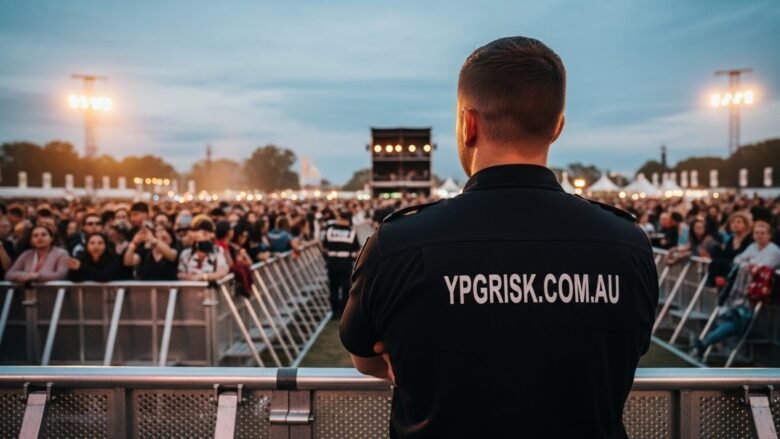
Event security is a critical part of any gathering, from a small community fair to a massive music festival. In Australia, the blend of diverse venues, strict regulations, and a love for outdoor celebrations makes the job of security teams both challenging and rewarding. This guide walks you through everything you need to know about event security in the Australian context, covering legal requirements, practical tactics, technology, and real-world examples. By the end, you’ll have a clear roadmap for keeping guests safe and venues secure.
Understanding Event Security in Australia
The term “event security” covers a wide range of activities: crowd control, access management, emergency response, and even protecting valuable equipment. In Australia, the focus is also on complying with state-specific legislation and respecting cultural practices that influence how events are run. Whether you’re planning a city-center concert or a rural bushfire awareness fair, a solid event security plan is essential.
What Does Event Security Involve?
- Pre-event risk assessment
- Venue perimeter protection
- Ticket verification and access control
- Crowd monitoring and flow management
- Emergency medical and evacuation procedures
- Coordination with police, fire, and local council
- Post-event debrief and incident reporting
Key Components of Effective Event Security
A successful event security operation blends people, process, and technology. Below are the core components that every Australian event organizer should consider.
- Comprehensive Risk Assessment
Start by identifying potential hazards: crowd size, venue layout, weather conditions, and any high-profile guests. Use a simple risk matrix to rank each threat and decide on mitigation measures. In Australia, consider bushfire risk for outdoor festivals and heat-related health issues during summer events.
- Access Control and Credentialing
Modern access control systems use barcode tickets, RFID wristbands, or facial recognition. These tools help verify guests quickly and reduce fraud. For Australian venues, ensure the system complies with the Privacy Act 1988 and the Australian Privacy Principles.
- Crowd Management
Effective crowd management relies on clear signage, well-trained stewards, and real-time monitoring. In NSW and Victoria, events with more than 5,000 people must submit a crowd management plan to the local council. Include:
- Entry and exit routes
- Buffer zones around stages
- Designated medical stations
- Contingency plans for severe weather
- Emergency Response and Medical Services
Coordinate with local ambulance services and fire brigades before the event. Have a clear chain of command and a communication plan that uses radios or a dedicated incident management app. In remote areas of Queensland, consider a mobile medical unit to cover large distances.
- Staff Training and Accreditation
All security personnel must hold a valid licence for the state in which the event takes place. Additionally, crowd management accreditation is required for events exceeding certain thresholds. Training should cover:
- De-escalation techniques
- First aid and CPR
- Legal powers of arrest and detention
- Culture-sensitive communication, especially when engaging with Aboriginal communities
Choosing the Right Security Provider
Australia boasts many reputable security firms, each offering different levels of service. When selecting a provider, look for:
- Licensing compliance– verify that all staff hold the appropriate state licences.
- Local experience– firms that have worked in your city or region understand venue-specific challenges.
- Technology integration– ability to combine access control, CCTV, and incident reporting platforms.
- Scalable staffing– capacity to increase personnel for peak days or unexpected crowd surges.
- Transparent pricing– clear breakdown of hourly rates, equipment fees, and any overtime charges.
Popular Australian security providers include companies based in Sydney, Melbourne, Brisbane, and Perth. While many operate nationally, some specialise in niche markets such as sporting events, music festivals, or corporate conferences.
Technology and Innovation in Australian Event Security
Technology is reshaping how event security teams protect guests. Australian venues are adopting tools that improve speed, accuracy, and situational awareness.
Video Analytics and AI
AI-driven CCTV can detect crowd density spikes, loitering, or unattended bags in real time. Systems from local tech startups integrate with existing surveillance networks and alert security staff via mobile devices.
Drone Surveillance
For large outdoor festivals, drones provide aerial views that help spot bottlenecks or potential hazards. In Queensland, drone operators must hold a Remote Pilot Licence (RePL) and follow the Civil Aviation Safety Authority (CASA) guidelines.
Mobile Incident Management Apps
Apps such as “EventSafe” allow stewards to log incidents, share live photos, and request backup instantly. These platforms are designed to comply with Australian data-privacy laws.
Contactless Payments and Ticketing
Contactless ticketing reduces queues and limits physical contact—a benefit highlighted during the COVID-19 pandemic. Australian event organisers now favour QR-code tickets that can be scanned on smartphones.

Case Studies: Event Security in Action
- Sydney New Year’s Eve 2023
The city’s flagship fireworks display attracted over 800,000 spectators across the harbour. The security plan included:
- Three layers of perimeter fencing around the waterfront.
- Over 1,200 licensed security officers deployed across multiple entry points.
- Real-time crowd monitoring using AI-enhanced CCTV.
- Coordinated response teams from NSW Police, Fire and Rescue, and Ambulance NSW.
The event reported zero major incidents, demonstrating how thorough planning and technology can protect massive crowds.
- Melbourne Cup Day 2022
The horse-racing classic draws an international audience and high-value assets. Security highlights included:
- Dedicated VIP security detail with background checks.
- Secure parking zones with RFID access gates.
- On-site medical tents staffed by trained paramedics.
- Collaboration with Victoria Police for crowd-control barriers and crowd-flow modelling.
The event’s success hinged on early risk assessments and clear communication between the security firm and venue management.
Best-Practice Checklist for Australian Event Organisers
- Obtain all required state licences for security personnel.
- Conduct a detailed risk assessment covering weather, crowd size, and venue layout.
- Develop a crowd-management plan that meets local council requirements.
- Integrate access-control technology that complies with privacy laws.
- Arrange on-site medical services and define clear evacuation routes.
- Train staff in de-escalation, cultural awareness, and first aid.
- Use real-time monitoring tools such as video analytics and mobile apps.
- Coordinate with local police, fire, and emergency services well before the event.
- Perform a post-event debrief to capture lessons learned.
Questions and Answers: Common Questions About event security in Australia
Q: What licences do security officers need for an event in NSW?
A: In New South Wales, every on-site security officer must hold a NSW security licence issued by the Security Licensing & Enforcement Service (SLES). For events with more than 5,000 attendees, at least one officer must have a crowd-management accreditation.
Q: How can I ensure my event complies with the Australian Privacy Act?
A: When using ticketing or facial-recognition systems, collect only the data needed for security purposes, store it securely, and limit access to authorised personnel. Provide a clear privacy notice at ticket purchase and on-site, and retain data only for the period required by law.
Q: Are there specific requirements for outdoor festivals in Queensland?
A: Yes. Queensland’s Security Providers Act requires a detailed crowd-safety plan for events with over 5,000 people. Additionally, you must consider bushfire risk, provide shade and water stations, and have a contingency plan for severe weather.
Q: What technology options are most effective for real-time crowd monitoring?
A: AI-enhanced CCTV, drone surveillance, and mobile incident-management apps are popular in Australia. These tools can alert security teams to crowd density spikes, suspicious behaviour, or medical emergencies instantly.
Q: How do I choose a local security provider for a small community event?
A: Look for a provider that holds the appropriate state licence, has experience with similar venue sizes, and offers flexible staffing. Ask for references from recent local events and verify that they can supply a written security plan that meets council requirements.
Conclusion: Your Path to a Successful event security in Australia
Event security in Australia is a blend of legal compliance, practical planning, and modern technology. By understanding state regulations, conducting thorough risk assessments, and partnering with a licensed provider, you can protect guests, staff, and assets effectively. Remember to integrate accessible-control systems, train your team in cultural and emergency response, and use real-time monitoring tools to stay ahead of potential issues. With these steps in place, your event will run smoothly, safely, and in line with Australian standards. Start planning today, and you’ll be well on your way to delivering a secure and enjoyable experience for everyone involved.


