
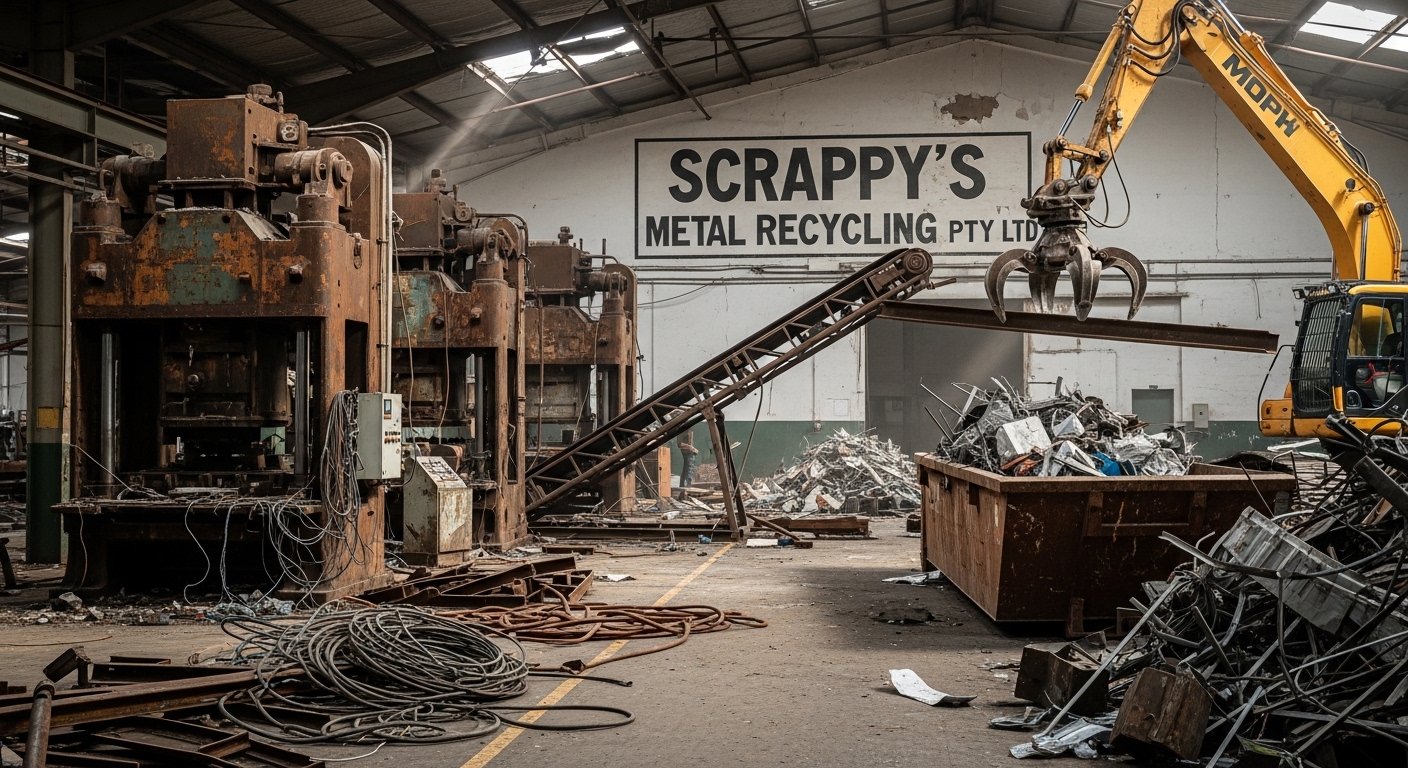
Copper is one of the most valuable and widely recycled metals in the world. From electrical wiring and plumbing pipes to old appliances and construction materials, scrap copper can be found in many places. Recycling scrap copper not only helps conserve natural resources but also provides an opportunity to earn money from unwanted materials. However, proper preparation is essential to maximize the value of your scrap copper before taking it to a recycling facility.
This step-by-step guide explains how to prepare scrap copper for recycling efficiently and safely.
Why Recycle Scrap Copper?
Copper is highly recyclable and can be reused repeatedly without losing its quality. Recycling scrap copper reduces the need for mining, lowers energy consumption, and helps decrease environmental impact. Additionally, clean and well-sorted copper typically receives higher prices at recycling centers.
Proper preparation can make a significant difference in the value of your recyclable materials and streamline the recycling process.
Step 1: Identify Different Types of Copper
Before preparing scrap copper for recycling, it is important to identify the various grades of copper. Recycling facilities often categorize copper based on its purity and condition.
Common categories include:
- Bare bright copper wire
- Clean copper tubing
- Insulated copper wire
- Mixed copper scrap
- Copper-containing components
Understanding these categories helps you separate materials correctly and potentially receive better compensation for your scrap.
Step 2: Gather and Sort Your Copper
Collect all copper materials from your home, construction site, workshop, or renovation project. Once gathered, sort them into separate piles according to their type and condition.
Keep clean copper separate from painted, coated, or mixed-metal items. Avoid mixing copper with aluminum, steel, brass, or other materials, as contamination can reduce recycling value.
Sorting your scrap copper carefully is one of the most effective ways to improve its worth.
Step 3: Remove Non-Copper Attachments
Many copper items contain additional materials such as:
- Plastic insulation
- Rubber coverings
- Steel brackets
- Screws and fasteners
- Connectors and fittings
Remove these attachments whenever possible. Clean copper is generally more desirable to recyclers because it requires less processing.
Use appropriate tools to safely separate copper from non-metallic components without damaging the metal itself.
Step 4: Strip Insulated Copper Wire
Insulated copper wire is common in electrical systems, appliances, and electronic equipment. While many recycling facilities accept insulated wire, stripped copper often commands a higher value.
Use a wire stripping tool to remove plastic insulation from larger copper cables. Be careful not to damage the copper during the process.
Avoid burning insulation to expose copper. This practice is unsafe, environmentally harmful, and often prohibited by local regulations.
Step 5: Clean Copper Materials
Cleaning your scrap copper can help improve its appearance and quality. Remove excessive dirt, grease, paint flakes, and debris where practical.
You do not need to polish copper to a shiny finish, but removing obvious contaminants helps recyclers assess the material more accurately.
Clean copper is generally easier to process and may qualify for higher-grade classifications.

Step 6: Separate Copper from Other Metals
Some items contain multiple metals combined together. For example:
- Electrical motors
- Air conditioning units
- Plumbing fixtures
- Household appliances
If possible, separate copper from steel, aluminum, and brass components before recycling. This extra effort can increase the value of your scrap copper and simplify processing at the recycling facility.
Step 7: Store Copper Properly
Once sorted and cleaned, store your scrap copper in a dry and secure location. Moisture can contribute to corrosion over time, while poor storage practices may result in contamination.
Consider using labeled containers or bins to keep different grades of copper separated until transportation day.
Proper organization saves time and ensures your materials remain in good condition.
Step 8: Weigh and Organize Your Scrap
Before visiting a recycling center, estimate the amount of scrap copper you have collected. Organize materials into manageable bundles or containers for easier transportation and handling.
Knowing the approximate weight can help you understand the potential value of your recyclable materials and prepare for the recycling transaction.
Step 9: Choose a Reputable Recycling Facility
Not all recycling facilities handle scrap materials in the same way. Look for a reputable recycler with transparent grading practices and a commitment to responsible metal recycling.
Experienced recyclers can help identify different copper grades and provide guidance on how to maximize the value of future collections.
Choosing the right recycling partner contributes to a smoother and more rewarding recycling experience.
Common Mistakes to Avoid
When preparing scrap copper for recycling, avoid these common errors:
- Mixing copper with other metals
- Leaving excessive insulation on wires
- Failing to remove contaminants
- Storing copper in wet environments
- Burning wire insulation
- Delivering unsorted materials
Avoiding these mistakes can improve both efficiency and potential returns.
Environmental Benefits of Copper Recycling
Recycling scrap copper offers significant environmental advantages. It reduces the demand for newly mined materials, conserves natural resources, and requires considerably less energy than producing copper from raw ore.
By recycling copper responsibly, individuals and businesses support sustainable manufacturing practices and contribute to a circular economy where valuable materials remain in use for longer.
Conclusion
Preparing scrap copper for recycling is a straightforward process that can increase the value of your materials while supporting environmental sustainability. By identifying copper grades, sorting materials carefully, removing contaminants, stripping insulation where appropriate, and working with a reputable recycling facility, you can make the most of your scrap copper collection.
