
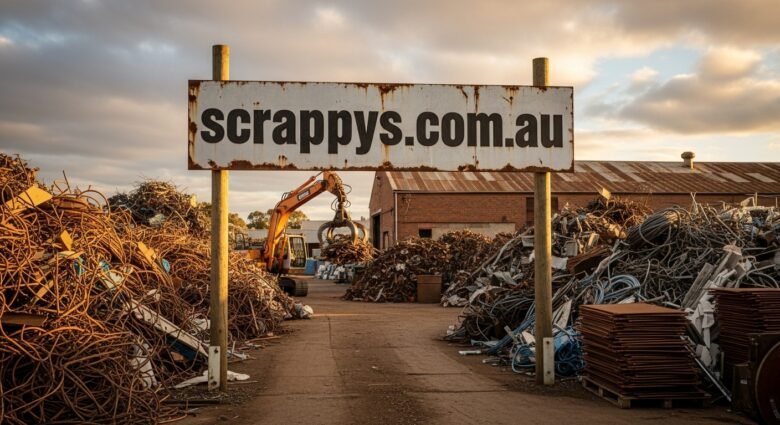
Copper is one of the most valuable and widely recycled metals in the world. Found in electrical wiring, plumbing systems, roofing materials, appliances, and industrial equipment, copper has a high demand due to its durability and excellent conductivity. As sustainability becomes increasingly important across industries, responsible metal recycling practices play a critical role in conserving resources and reducing environmental impact.
However, recycling copper scrap is not as simple as gathering old materials and taking them to a recycling facility. Proper handling, sorting, and preparation are essential to ensure safety, maximize value, and support efficient recycling processes. Understanding the right way to recycle copper scrap metal can help individuals, contractors, and businesses contribute to a more sustainable future while benefiting financially from their recyclable materials.
Why Copper Recycling Matters
Copper is a finite natural resource, and mining new copper requires significant energy and environmental disruption. Recycling copper allows the metal to be reused repeatedly without losing its quality or performance characteristics. This makes copper one of the most sustainable materials available.
Metal recycling reduces the need for raw material extraction, lowers greenhouse gas emissions, and decreases the amount of waste sent to landfills. Recycled copper can be transformed into new electrical components, building materials, manufacturing products, and countless other applications.
By choosing responsible recycling practices, businesses and households can support environmental conservation while helping meet the growing demand for copper products worldwide.
Common Sources of Copper Scrap
Copper scrap can be found in many everyday and industrial items. Recognizing potential sources can help maximize recycling opportunities.
Common copper-containing materials include:
- Electrical wiring and cables
- Plumbing pipes and fittings
- Air conditioning units
- Motors and transformers
- Roofing materials and gutters
- Household appliances
- Industrial machinery
- Electronic equipment
Before collecting any copper materials, it is important to ensure that they have been legally obtained and are no longer in active use.


Prioritize Safety During Collection
Safety should always be the first consideration when handling scrap metal. Copper materials can be heavy, sharp, or connected to hazardous systems.
When collecting copper scrap:
Wear Appropriate Protective Equipment
Personal protective equipment helps prevent injuries during handling and transportation. Recommended equipment includes:
- Safety gloves
- Steel-toe boots
- Safety glasses
- Long-sleeved clothing
- High-visibility workwear when necessary
These precautions reduce the risk of cuts, punctures, and other workplace injuries.
Disconnect Electrical Sources
Copper wiring and electrical components should never be removed while connected to live electrical systems. Always ensure that power sources have been completely isolated before dismantling equipment.
Qualified electricians should handle complex electrical systems to avoid shock hazards and property damage.
Handle Heavy Materials Carefully
Large copper pipes, motors, and industrial components can be extremely heavy. Proper lifting techniques and mechanical assistance should be used whenever possible to prevent strains and injuries.
Sort Copper Scrap for Better Recycling Results
One of the most important steps in copper recycling is proper sorting. Different grades of copper have different values and recycling requirements.
Separating materials before visiting a recycling facility can improve efficiency and potentially increase returns.
Bare Bright Copper
Bare bright copper is typically the highest-value grade. It consists of clean, uncoated copper wire that is free from insulation, paint, solder, or corrosion.
Copper Tubing
Clean plumbing pipes and copper tubing are also highly recyclable. Materials should be free from excessive contamination whenever possible.
Insulated Copper Wire
Electrical cables often contain valuable copper inside plastic insulation. Many recycling facilities accept insulated wire, though prices may vary depending on copper content.
Mixed Copper Materials
Copper items that contain attachments, coatings, or mixed metals may be categorized separately. Sorting these materials in advance can streamline processing.
Proper classification helps recycling facilities process materials more efficiently and ensures the copper can be recovered effectively.
Remove Contaminants Responsibly
Clean copper scrap is generally easier to recycle and may command better value. However, cleaning should always be performed safely and legally.
Avoid burning insulation from wires to expose copper. This practice releases harmful fumes, creates environmental pollution, and may violate local regulations.
Instead, consider:
- Using approved wire-stripping tools
- Separating non-metal attachments
- Removing excessive dirt and debris
- Following local recycling guidelines
Responsible preparation supports safer working conditions and protects the environment.
Store Scrap Metal Correctly
Proper storage helps preserve the quality of copper scrap before recycling.
Recommended storage practices include:
- Keeping materials dry
- Storing copper in organized containers
- Separating different grades
- Protecting materials from excessive contamination
- Securing valuable scrap against theft
Well-organized storage makes transportation easier and improves efficiency when preparing materials for recycling.
Transport Copper Safely
Transportation is another important aspect of safe metal recycling.
Before transporting copper scrap:
- Secure all materials properly
- Use suitable containers or trailers
- Avoid overloading vehicles
- Follow local transport regulations
- Ensure sharp edges are covered or contained
Loose metal can become a safety hazard during transport, potentially causing accidents or damage.
Businesses that generate large volumes of copper scrap may benefit from professional collection services that specialize in handling recyclable metals safely.
Choose a Reputable Recycling Facility
Not all recycling facilities operate with the same standards. Selecting a reputable recycler helps ensure materials are processed responsibly and in compliance with environmental regulations.
A reliable recycling partner should:
- Follow environmental best practices
- Provide transparent processes
- Accept various copper grades
- Maintain proper licensing where required
- Offer fair evaluation of materials
Working with experienced recycling professionals supports responsible resource recovery and contributes to a stronger circular economy.
Environmental Benefits of Copper Recycling
The environmental advantages of copper recycling extend far beyond waste reduction.
Recycling copper helps:
Reduce Energy Consumption
Producing copper from recycled material requires significantly less energy than extracting and refining virgin ore.
Lower Carbon Emissions
Reduced energy requirements result in fewer greenhouse gas emissions, helping industries move toward sustainability goals.
Conserve Natural Resources
Every tonne of recycled copper reduces the demand for newly mined materials, preserving valuable natural resources.
Minimize Landfill Waste
Metal recycling diverts reusable materials away from landfill sites, reducing environmental pressure and extending landfill capacity.
These benefits make copper recycling a key component of modern environmental management strategies.
Economic Advantages of Recycling Copper
Copper recycling also offers important economic benefits.
Businesses can recover value from obsolete equipment, renovation projects, manufacturing offcuts, and demolition materials. Households can generate additional income from unwanted copper items while reducing waste.
At a broader level, the metal recycling industry supports employment, manufacturing supply chains, and resource efficiency across numerous sectors.
As copper demand continues to grow due to renewable energy technologies, electric vehicles, and infrastructure development, recycled copper remains an increasingly important resource.
Common Mistakes to Avoid
When recycling copper scrap, several mistakes can reduce safety and efficiency.
Avoid:
- Burning wire insulation
- Mixing copper with other materials
- Transporting unsecured scrap
- Ignoring safety equipment
- Attempting electrical dismantling without expertise
- Storing copper in wet environments
- Using unlicensed disposal methods
Following best practices helps ensure a safer and more productive recycling experience.
Conclusion
Copper is one of the most valuable materials in the metal recycling industry, offering both environmental and economic benefits when handled responsibly. Whether sourced from household renovations, construction projects, industrial operations, or outdated equipment, copper scrap deserves proper preparation and recycling.


