
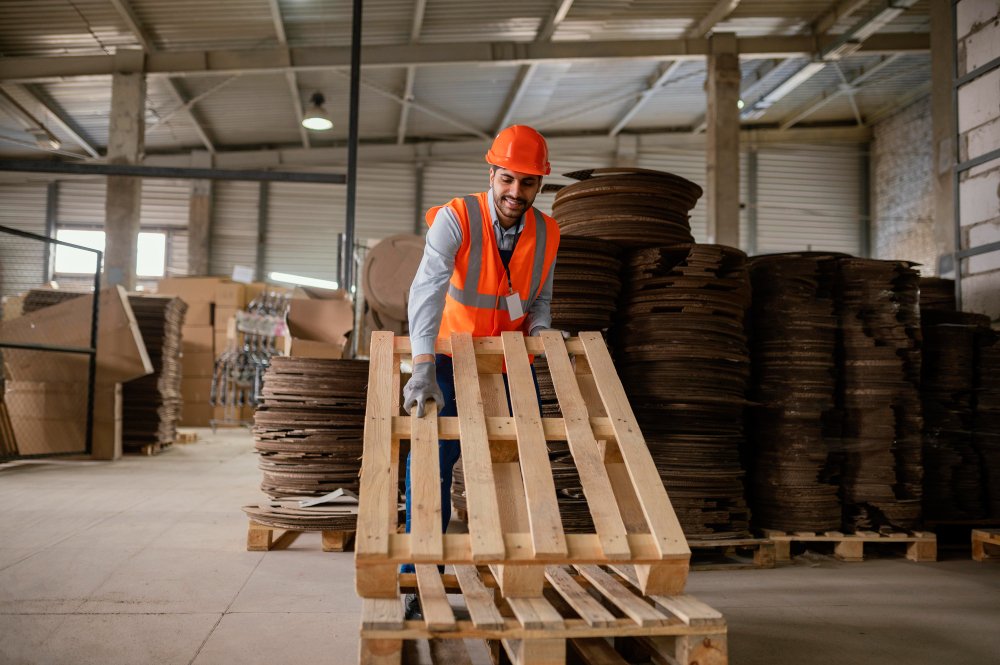
Pallet recycling drives profit for local firms & reduces landfill pressure across the city. In this guide I’ll walk you through the market realities, set‑up steps, compliance hurdles, tech tools, and revenue streams that make a pallet recycling venture work in Melbourne’s suburbs and industrial zones. You’ll get a clear road‑map for turning discarded timber, plastic, and composite pallets into cash‑flow while meeting sustainability targets.
Understanding the Melbourne Pallet Recycling Landscape
From what I’ve seen, the demand for reclaimed pallets in Melbourne’s wine regions and Port of Melbourne logistics hubs is steady. Businesses there need cost‑effective, sturdy pallets that meet ISPM 15 standards, and they prefer suppliers who can pick up pallets from their yards.
In my experience, the city’s climate wet winters and hot, dry summers means pallets can warp if stored improperly. That creates a niche for operators who dry, treat, and grade timber pallets before resale.
Hardwood pallet recycling Melbourne is especially lucrative because local wineries use high‑quality timber for barrels & storage crates. A single pallet can be turned into multiple smaller boards for those applications.
Plastic pallet recycling Melbourne is growing fast, driven by dairy farms that need clean, non‑porous pallets for milk transport. The market split between timber and plastic pallets is roughly 70 % to 30 % in 2026.
What typically happens is that large retailers contract third‑party pallet recycling services Melbourne to handle their reverse‑logistics. Those contracts often include a per‑pallet credit that can be applied to future purchases.
Setting Up Your Pallet Recycling Operation
First, secure a site in an industrial precinct such as Dandenong or Sunshine where truck access is easy & zoning permits waste‑handling activities.
The thing is, you’ll need a basic processing line: a conveyor, a de‑nailing station, a moisture‑testing area, and a grading table. A mid‑size operation can run on a 2‑bay line with a capacity of 1,200 pallets per week.
And you’ll want to invest in a forklift with a built‑in pallet jack for quick loading and unloading. This equipment cuts labor time by about 30 % compared with manual handling.
- Purchase a second‑hand forklift for under 1,500 kg lift capacity.
- Install a de‑nailing machine that removes nails in under 2 seconds per pallet.
- Set up a moisture meter calibrated for Australian hardwood species.
From what I’ve seen, many start‑ups partner with local waste‑management firms for haulage. Those firms already have routes that include suburbs like Preston and Footscray, so you can share truck space and reduce fuel use.
Preparing Pallets for Recycling – Step‑by‑Step
Step one is cleaning. Rinse pallets with a pressure washer, then let them air‑dry for at least four hours. Avoid using high‑pressure steam because it can embed moisture deep into the wood.
Step two is de‑nailing. Run each pallet through the de‑nailing machine, then manually remove any stubborn spikes with a hammer and pry bar – Wear safety glasses and gloves during this stage.
Step three is pest inspection – Look for signs of termites or wood‑boring beetles, which are common in older suburbs like Brunswick. Here’s the thing: if you spot infestation, treat the pallet with a low‑toxicity borate solution before grading.
Step four is moisture testing. Use a handheld meter; a reading below 12 % is ideal for resale – Pallets above that level should be kiln‑dried or sold for mulching.
Pallet recycling drives profit for local firms by turning low‑value waste into high‑margin product.
- Label each pallet with a QR code that tracks its origin and treatment history.
- Store graded pallets on a raised platform to keep them dry.
- Schedule weekly pickups with customers to maintain a steady feedstock.
Navigating Regulations and Export Requirements
In 2026, the Victorian government enforces strict phytosanitary rules for wood pallets leaving the state. I mean, you must obtain an ispm 15 certificate for any pallet that will be shipped overseas.
The thing is, obtaining that certificate involves a heat‑treatment process at 56 °C for at least 30 minutes. Many local treaters offer this service on site for a small fee.
And you need to keep records of every pallet’s treatment date, temperature log, and wood species. These logs are required for audit by the Department of Agriculture.
- Use a digital spreadsheet to log each pallet’s details.
- Schedule a quarterly review with a certified auditor.
- Maintain a back‑up copy of all records in the cloud.
Pallet recycling drives profit for local firms by opening export markets for treated wood.
Leveraging Technology for Efficiency
Automated grading systems now use AI to scan pallets for cracks nail spikes and moisture levels. Look a mid‑size operation can boost throughput by 40 % with this tech.
In my experience, IoT sensors attached to pallets can report location and condition in real time. This data helps you optimise routes and reduce empty‑truck miles.
- Install a camera system that captures pallet images as they pass the grading table.
- Integrate the camera feed with an AI model trained on Melbourne‑specific pallet damage patterns.
- Use a cloud dashboard to monitor daily output and quality metrics.
And you’ll notice that customers appreciate a digital pallet‑tracking portal where they can see the status of their returns.
Pallet recycling drives profit for local firms by cutting labor costs and improving quality consistency.
Monetising Recycled Pallets and By‑Products
Beyond resale, there are several streams to cash in on the waste wood. Mulch for garden centres, bio‑fuel pellets for power stations, and reclaimed timber for boutique furniture are all viable markets.
Hardwood pallet recycling Melbourne can supply the Melbourne market’s growing demand for sustainable building material. A single pallet yields about 0.25 m³ of usable timber.
And you can offer a “pallet‑as‑service” model where you lease refurbished pallets and handle the end‑of‑life recycling for a flat fee. This appeals to businesses that want to avoid capital outlay.
- Partner with local landscapers to sell processed mulch.
- Contract with a bio‑fuel plant that accepts wood chips from damaged pallets.
- Collaborate with a boutique furniture maker for reclaimed timber.
Pallet recycling drives profit for local firms by creating multiple revenue channels from a single feedstock.
Integrating Pallet Recycling into a Sustainability Program
Most Melbourne corporations now publish annual sustainability reports. Including pallet recycling metrics can boost their ESG scores and attract green‑focused investors.
What typically happens is that companies set KPIs such as “pallets recycled per month” and “carbon emissions avoided”. You can provide them with a simple spreadsheet that calculates CO₂ savings based on the wood volume processed.
And you should align your operations with the Australian Pallet Reuse Initiative, which encourages the use of recycled pallets across the supply chain.
- Track the number of pallets diverted from landfill each quarter.
- Calculate the carbon offset using the factor 0.9 kg CO₂ per pallet.
- Publish a short case study for each major client.
Pallet recycling drives profit for local firms by enhancing their brand reputation and meeting regulatory expectations.
Conclusion
To sum up, pallet recycling in Melbourne offers a clear path to profitability when you understand the market, set up a compliant processing line, and use technology. By preparing pallets correctly, navigating phytosanitary rules, and diversifying revenue streams, you can build a resilient business that supports local industry and the environment. The key is to act now, make sure you have the right equipment and partnerships, and keep tracking performance to stay ahead of the competition.