
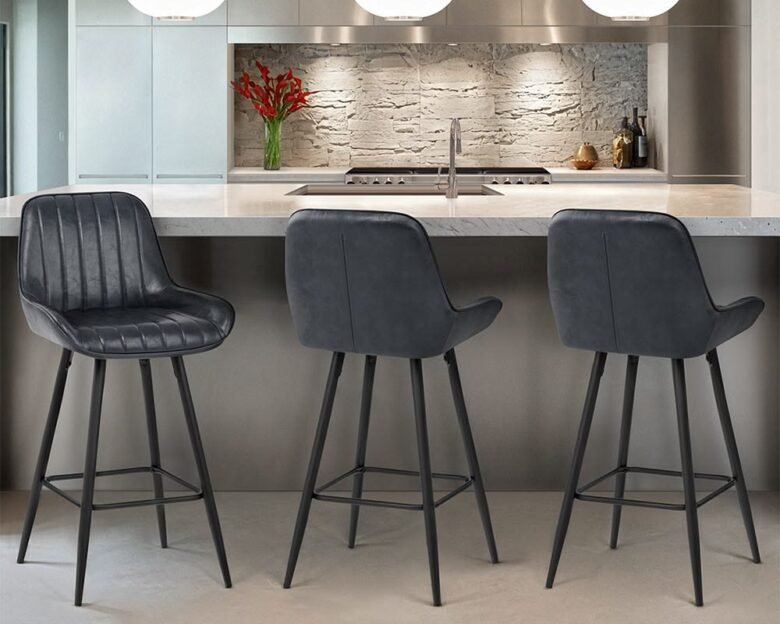
Ever found yourself standing in a furniture store, completely overwhelmed by the sheer number of bar stool options? Have you wondered whether that stunning timber stool will actually fit under your kitchen bench? Or perhaps you’re questioning if your dream stools will survive the chaos of family life?
Choosing kitchen bar stools might seem straightforward, but there’s actually quite a bit to consider. These humble seats have become the unsung heroes of modern Australian kitchens, transforming islands and benches into social hubs where families gather, friends chat over coffee, and kids tackle homework. The right bar stools don’t just provide somewhere to sit—they complete your kitchen’s personality.
In this guide, we’ll walk you through everything you need to know about selecting the perfect bar stools for your home. From getting those tricky measurements spot-on to understanding which materials will stand the test of time, we’ve got you covered. You’ll discover the most popular styles gracing Australian homes, learn which features actually matter, and figure out how many stools you really need. By the end, you’ll feel confident making a choice that looks great and works even better.
Understanding Bar Stool Heights: Getting the Measurements Right
Getting the height wrong is probably the most common bar stool mistake, and it’s an easy one to make. Nothing kills the vibe of a beautifully styled kitchen quite like stools that are too tall or too short for your bench.
Counter Height vs Bar Height: What’s the Difference?
Here’s the deal: counter height stools typically measure around 65cm, designed to pair with benches approximately 90cm high. Bar height stools, on the other hand, sit at roughly 75cm and suit higher surfaces around 105cm. The difference might sound small, but it’s massive when it comes to comfort.
How Do I Know What Height Bar Stool I Need?
The golden rule is simple—aim for a gap of 25- 30 cm between your seat and the underside of your bench or island. This gives enough legroom without making you feel like you’re perched on a child’s seat.
Measuring Your Kitchen Bench or Island
Grab a tape measure and check from the floor to the underside of your benchtop. Then subtract 25- 30 cm, and you’ve got your ideal seat height. Write it down before you shop—trust us on this one.
Popular Bar Stool Styles for Australian Homes
Australian homes embrace a wonderful mix of design influences, and there’s a bar stool style to match every aesthetic.
Modern and Contemporary Designs
Clean lines, minimalist shapes, and sleek finishes define this category. Think matte black metal frames, crisp white seats, and geometric forms. These stools suit open-plan living spaces and pair beautifully with stone benchtops.
Scandinavian-Inspired Stools
Light timber, curved edges, and understated elegance characterise Scandi-style stools. They bring warmth without clutter—perfect for creating that cosy, hygge-inspired kitchen atmosphere Australians have grown to love.
Industrial and Urban Looks
Exposed metal, raw finishes, and rugged charm define industrial bar stools. They work brilliantly in warehouse-style apartments, lofts, and kitchens featuring exposed brick or concrete elements.
Coastal and Hamptons Style
Rattan, white-washed timber, and soft neutral tones capture that relaxed beachy vibe. These stools are particularly popular in Queensland homes and anywhere seeking a fresh, airy feel.
Classic and Traditional Options
Turned timber legs, upholstered seats in rich fabrics, and timeless silhouettes never go out of fashion. If your kitchen leans towards heritage or French provincial, these are your match.
Choosing the Right Material for Your Lifestyle
The material you choose impacts everything from durability to maintenance. Let’s break down your options.
Timber and Wooden Bar Stools
Natural warmth and character make timber a perennial favourite. Hardwoods like oak and ash offer excellent durability, while lighter options like pine provide budget-friendly charm. Keep in mind that timber requires occasional maintenance to stay looking its best.
Metal and Steel Frames
Incredibly sturdy and often more affordable, metal-framed stools handle heavy use without complaint. They’re easy to wipe clean and resist scratches—ideal for busy households with young kids.
Upholstered and Leather Seats
Comfort is king with padded seats. Leather ages beautifully and wipes clean easily, while fabric upholstery offers endless colour and pattern choices. Just consider how they’ll handle spills and sticky fingers.
Rattan and Natural Fibres
These materials bring texture and organic appeal to your space. They’re lightweight and suit casual, relaxed interiors. However, they may not withstand rough treatment as well as harder materials.
What Material Is Best for Kitchen Bar Stools?
Honestly? It depends on your lifestyle. Families with young children might prioritise wipe-clean surfaces. Style-focused homeowners might accept more maintenance for the perfect look. Consider who’ll use them and how often.
Key Features to Consider Before Buying
Beyond looks, certain features dramatically affect how much you’ll actually enjoy your stools.
Swivel vs Fixed Base: Which Is Better?
Swivel bases make hopping on and off easier—brilliant for social kitchens where people constantly turn to chat. Fixed bases offer more stability and often look sleeker, making them better for formal settings.
With or Without Backs and Armrests?
Backless stools tuck neatly under benches and suit smaller spaces. Backed stools provide support for longer sitting sessions. Armrests add comfort but increase width, so measure carefully if space is tight.
Adjustable Height Options
Gas-lift mechanisms let you fine-tune seat height—fantastic if your household includes people of varying heights or if you might move homes and face different bench heights later.
Footrests and Comfort Considerations
Never underestimate a good footrest. Dangling legs become uncomfortable quickly, so check that any stool you’re considering includes somewhere to rest your feet at a comfortable angle.
Matching Bar Stools to Your Kitchen Décor
Your stools should feel like they belong, whether that means blending in or standing out deliberately.
Coordinating with Cabinetry and Benchtops
Matching your stool material to cabinet handles or benchtop tones creates cohesion. Black metal stools echo matte black tapware beautifully, while timber stools complement wooden flooring.
Creating Contrast vs Cohesion
Sometimes contrast works better than matching. A set of vibrant coloured stools can become a stunning focal point in an otherwise neutral kitchen. Don’t be afraid to make a statement.
Are Bar Stools Still in Style?
Absolutely. Kitchen islands remain central to modern home design, and bar stools continue evolving with fresh styles each season. They’re not going anywhere anytime soon.
Final Thoughts: Making Your Decision with Confidence
Choosing kitchen bar stools doesn’t need to feel overwhelming. Start with accurate measurements—that’s absolutely non-negotiable. Then consider your style preferences, keeping your existing kitchen décor in mind while allowing room for personality.
Think practically about materials and features. Who’ll use these stools daily? What kind of wear will they face? Answering these questions honestly helps narrow your choices significantly.
Finally, don’t rush. The right bar stools become part of your family’s daily routine, hosting breakfast conversations, after-school snacks, and evening catch-ups. They deserve careful consideration. Take your time, trust your instincts, and you’ll find stools that look fantastic and serve you brilliantly for years to come.


