
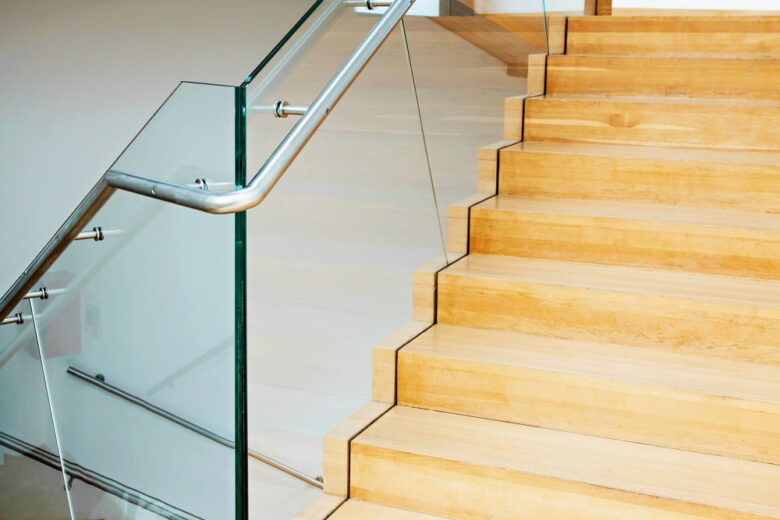
By 2026 the safest bet for a modern, low‑maintenance rail that survives salty sea breezes and scorching summers is a Stainless steel balustrade That meets the standards. I’ve watched the South Yarra waterfront for years, and the passive chromium film on the steel never seems to rust, even after constant coastal spray. It looks great on Victorian terraces and sleek townhouses alike, no clash with heritage colours. So, why not choose a railing that’s both strong and stylish for balconies, stairs or mezzanine decks around the city?
Choosing the right stainless steel balustrade provider
First, make sure the installer still has a current balustrade‑installation cert and can demonstrate experience with a stainless steel balustrade, pointing you to recent jobs in Fitzroy or St Kilda. A decent company will hand you a shop drawing that lays out custom steel balusters, fixings and any glass‑steel rail combos. Have you seen how CNC‑cut parts tighten tolerances and cut down the gaps that let water sneak in during winter rains? And the best providers back their work with a warranty that covers both the structure and the finish. So you won’t have to worry about long‑term problems, and keep your property safe.
When you’re comparing quotes, ask for a grade breakdown; 304 will do for most inland sites. But 316 is the safer bet near Port Phillip Bay where salt spray hits daily, especially for a stainless steel balustrade exposed to marine conditions. And if the supplier keeps 316 in stock locally, they can ship a full 10‑meter run in three business days, sidestepping the long waits that come with overseas orders. So look for a contractor who’ll work hand‑in‑hand with your architect to make sure the design meets impact‑resistance specs, does that sound like a plan? That way design hands off smoothly to installation and the schedule stays on track.
Material grades and coastal suitability
Knowing whether you need 304 or 316 stainless steel matters if you live near the sea, especially when selecting a stainless steel balustrade for seaside properties, because salty air eats away at cheaper alloys fast. I’ve seen a fresh apartment block in Brighton where the 316 grade, thanks to its extra molybdenum, builds a tougher passive layer that can shrug off chloride for decades. Sure, the price tag is higher, but you’ll spend less on repainting or polishing over a 20‑year life. And don’t forget, even 316 will stain if you skip regular cleaning with a gentle, non‑abrasive detergent and a soft cloth.
In places like Camberwell, 304 stainless steel gives you solid protection from the occasional rain and dust without the price tag of 316, making it a cost‑effective choice for a stainless steel balustrade. And many homeowners go for a brushed finish because it masks tiny scratches far better than a high‑gloss polish. So you’ll notice less glare on sunny days, especially on ground‑level railings that stare out at the street, practical, right? A quick rinse with a garden hose now and then is all it takes to keep the railing looking tough and attractive.
Installation process step‑by‑step
We start by surveying the sub‑structure to make sure the concrete or timber joists can bear the load of a stainless steel balustrade and we also look for any cracks or rot before we proceed. And pros usually run a laser level to mark the exact height, did you know the railing must sit exactly at the one‑metre safety line set by Victorian rules? Next we drill pilot holes and bolt stainless steel brackets using corrosion‑resistant screws, which stops any galvanic reaction with the balustrade. But if the joint isn’t sealed properly, water will creep in and eventually corrode the fixings.
First, we lock the brackets in place, ensuring the stainless steel balustrade aligns perfectly with the rail line, then a crane, or a telescopic lift on a tall building, hoists the prefabricated panels up to the rail line and positions them precisely. I’ve seen crews set up a temporary brace to keep everything level while they finish the welds, which cuts mis‑alignment risk during curing. So, after the welds are done, a quick visual check, often the final inspection, looks for things like uneven baluster gaps before the surface gets a protective passivation coat. The end result? A sturdy, load‑bearing railing that satisfies both looks and safety standards.
Maintenance and cleaning schedule
Regular maintenance keeps a stainless steel balustrade looking fresh for years, and most DIY‑savvy folks can handle the routine. On a heritage terrace in Carlton I’ve seen a simple monthly rinse with a garden hose, then a wipe‑down with pH‑neutral soap, which stops dust and bird droppings from staining the surface. So, every six months a deeper clean with a dedicated stainless‑steel cleaner and a soft‑bristle brush tackles stubborn grime without scratching the finish. And if a rust spot shows up, a quick 400‑grit sand‑and‑polish plus polishing compound brings the shine back without hurting the protective film. Got it?
If your house sits near the bay, you should check the fixings once a year, especially the stainless steel balustrade connections, because salty air speeds up screw wear. I’ve found that a thin coat of marine‑grade silicone sealant around each bracket each year adds a solid moisture barrier. And putting LED strip lighting under the balustrade not only boosts night safety but also spots any surface flaws you might miss. So you end up with a rail that stays useful and good‑looking all year round, right?
Comparing alternatives: glass, timber, aluminium
When you compare stainless steel with glass, timber or aluminium, the big things to look at are durability, upkeep and load‑resistance rules, and the stainless steel balustrade often outperforms the alternatives. I saw a new office block in Docklands where the glass railings look sleek, but they need frequent joint resealing or water will seep in. Timber? It has to be sanded and painted every few years or it rots. And aluminium is light, yet it can go crazy with galvanic corrosion if you mix it with other metals in a railing. So, stainless steel gives you strength, low maintenance and a timeless look that works in both modern and heritage sites. What do you think?
Stainless steel usually costs more up front than timber, yet its overall expense drops because you rarely have to replace or overhaul it. And homeowners who go for a glass‑and‑steel railing often find they need extra structural supports to hit the safety code. Have you considered how much you’ll save on cleaners and paint over 25 years? The payoff is a railing that looks good and keeps performing for decades. So you get both style and durability without the constant upkeep.
Sustainability and recycling considerations
Stainless steel is 100 % recyclable, and opting for a stainless steel balustrade further reduces the project’s embodied carbon, and making it uses far less energy than mining fresh ore, which helps hit Green Star and NABERS targets. And on a recent Southbank apartment, the developer snagged extra points by choosing a stainless steel balustrade that can be reclaimed whole when it’s done. In my experience, suppliers that hand over a recycled‑content certificate let owners show councils and future buyers they’re serious about the planet. And because the material’s carbon footprint stays low, the whole project’s embodied energy drops, making the building greener from the ground up. So, picking a low‑carbon material cuts the building’s embodied energy. Isn’t that the kind of green we all want?
When a balustrade reaches the end of its useful life, a local recycler can melt the steel and make new products, from kitchen gadgets to car parts. I’ve found that Melbourne’s scrap‑metal sites take stainless steel straight in, so you don’t need a separate sorting step, which speeds things up and cuts emissions. And by picking a product with a clear end‑of‑life plan, homeowners keep waste out of landfills and back a circular economy. So the choice ends up being good for the property and the planet, right?
Integrating lighting and smart home features
Modern stainless steel balustrades can hide LED strips under the handrail, giving a soft glow that boosts night‑time safety and mood. Do you want that effortless glow? And a recent Hawthorn renovation showed owners using a dimmable, colour‑changing system that syncs with a smart‑home hub and switches on at dusk automatically. I’ve noticed the metal’s high thermal conductivity pulls heat away from the LEDs, so they last longer than when they sit in plastic housings. But to keep the look clean and protect the electronics from moisture, the wiring should stay inside the balustrade’s hollow sections.
Smart sensors can be built right into the railing, so when pressure or impact goes over the design limit they ping the homeowner’s phone. And a motion‑activated light sensor slashes energy use because the LEDs only fire when someone steps near the stairs. But the system must run on low‑voltage wiring that meets Australian Standard, guaranteeing safety and reliability. So you get a high‑tech railing that boosts security while keeping the classic stainless steel look, what do you think?
Conclusion
Choosing a stainless steel balustrade for your Melbourne home gives you durability, low upkeep and a modern look that handles salty sea air and daily wear. I’ve learned that picking the right grade, hiring a certified installer and following a solid maintenance plan keep the rail safe and sharp for years. And because it’s recyclable, you can bolt on lighting or smart sensors for a future‑proof touch that fits both style and eco goals. So, does a low‑maintenance, stylish railing that also lifts property value sound right for you? That’s the sort of compliant, long‑lasting system most Aussie homeowners love.


