
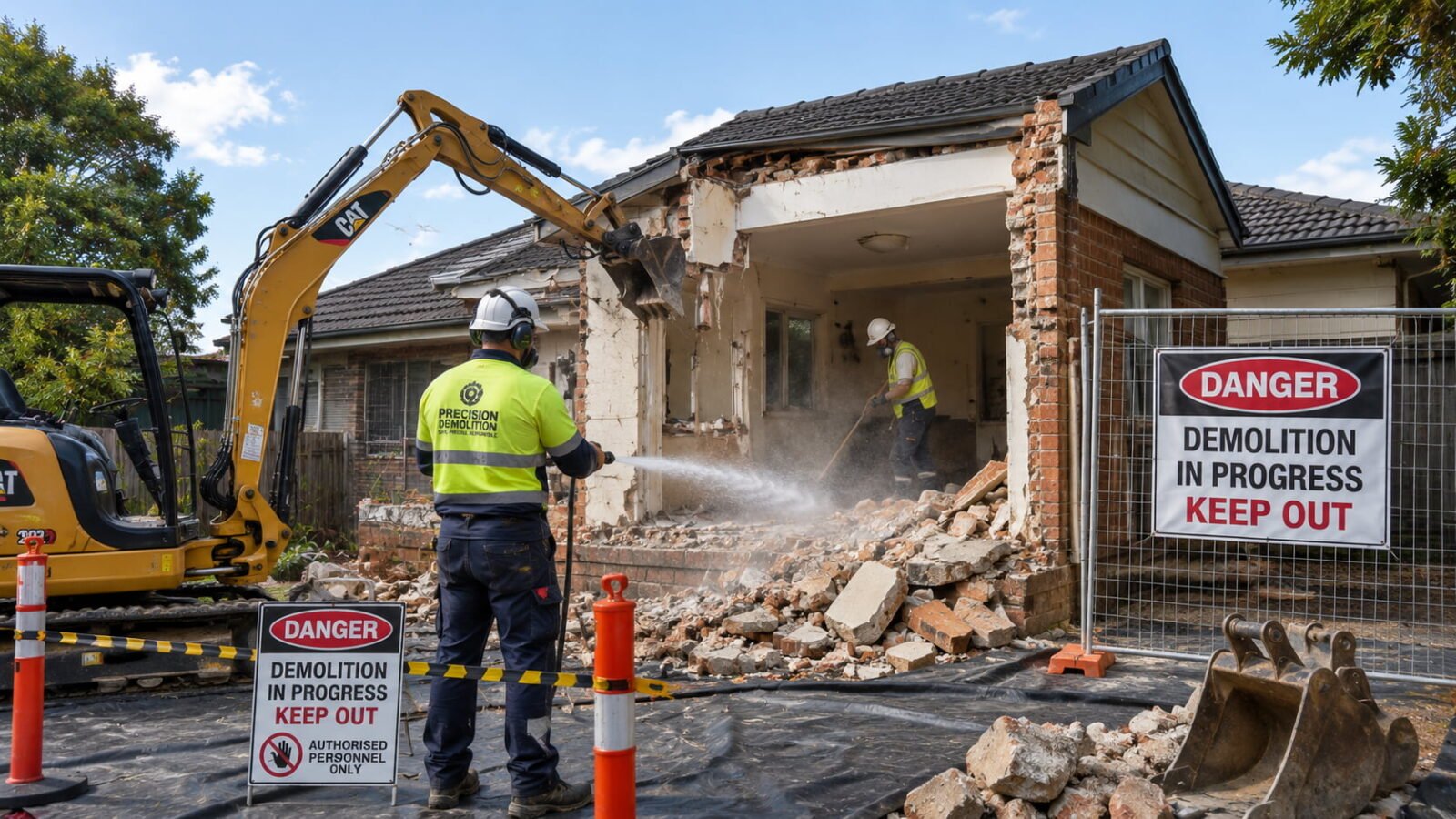
Partial demolitions are the go‑to move for Baulkham Hills homeowners who want to strip out a kitchen, garage, or a wing without pulling down the whole house — The short answer: you keep the solid parts, you ditch the rest, and you finish faster.
What Exactly Are Partial Demolitions?
Partial demolitions mean selective removal of walls, roofs, floors, or extensions while the rest of the structure stays standing. In Baulkham Hills the typical timber‑frame home with brick veneer lends itself to this approach because the load‑bearing walls are clearly defined. From what I’ve seen, a crew can gut a 20‑square‑metre kitchen in two days, then hand the site back for a fit‑out.
And the process isn’t just about tearing down; it’s about planning which parts can be stripped safely. The demolition team maps out the load‑bearing elements, isolates utilities, and then uses hand tools or small‑scale equipment to keep vibration low. That matters when you have neighbours close by, as many Baulkham Hills streets have houses only a few metres apart.
Why Baulkham Hills Homeowners Choose Partial Demolitions
First, the climate here is mild but can be windy, especially on the ridges near the Blue Mountains. A full knock‑down would expose the site to the elements for weeks, delaying the rebuild. You know? Partial demolitions keep most of the envelope intact, shielding the interior from rain and wind.
But there’s also the heritage factor. Some older suburbs in Baulkham Hills have houses from the 1950s with original brickwork that owners want to preserve. Partial demolitions let you keep that character while updating the interior. The thing is, you get a modern layout without losing the street‑level charm.
Typical Use‑Cases for Partial Demolitions in Baulkham Hills
Here’s what I tell people: if you’re planning a bathroom remodel that involves moving plumbing stacks, partial demolitions let you pull the old wet area out while the rest of the floor stays untouched. Same with a garage conversion – you can knock the roof and side walls, then add a new floor and internal walls.
Another common scenario is a bedroom reconfiguration. Homeowners often want to combine two small rooms into a larger master suite. Partial demolitions let you remove the dividing wall, add a new header, & keep the surrounding rooms intact.
Step‑by‑Step Workflow for a Partial Demolition Project
1. Site audit – a demolition specialist walks the property, checks for asbestos, & notes structural supports.
2. Structural assessment – an engineer confirms which walls can be removed without compromising stability.
3. Utility isolation – electricity water and gas are shut off and capped.
4. Look, demolition sequencing – the crew starts at the highest point, works downwards, and uses dust‑suppression methods.
5. Debris handling – concrete & brick are loaded into skip bins, timber is sorted for recycling, and hazardous material is taken to a licensed facility.
And the timeline usually runs 5‑7 business days for an average single‑storey home’s kitchen and garage. The crew coordinates with council for any required permits, but the paperwork is lighter than a full demolition because the building footprint doesn’t change.
Choosing the Right Partial Demolition Contractor in Baulkham Hills
When you look for Baulkham Hills demolition contractors, check three things: safety record, equipment, and local experience — A crew that regularly works on the narrow laneways of Baulkham Hills will know how to manoeuvre skip bins without blocking traffic.
What typically happens is you ask for references from recent projects in the area. Look for a contractor who uses handheld crushers for brick, diamond‑cutting for concrete, and water‑mist systems for dust control — Those tools keep the job tidy and neighbour‑friendly.
Safety and Environmental Considerations
Partial demolitions still require strict safety protocols. The crew wears respirators, especially when cutting through old plaster that may contain asbestos — They also use shoring to support any remaining walls during the removal.
And the environmental upside is clear: you divert up to 60 % of waste from landfill by recycling timber, brick, & concrete. In Baulkham Hills, the local council offers a green‑waste pickup service that accepts sorted demolition material.
Impact on Renovation Timelines
By keeping the main shell, partial demolitions shave weeks off the renovation schedule. After the demolition crew leaves, the builder can start framing new walls or installing services immediately. Honestly, the hand‑over is usually within 24 hours.
What typically happens is the homeowner can move in the newly finished area while the rest of the house is still under construction. That reduces disruption for families with school‑age kids.
Comparing Partial Demolition Options
| Method | Typical Use‑Case | Key Advantages | Equipment Used |
|---|---|---|---|
| Manual selective demolition | Kitchen, bathroom, small wing | Low vibration precise | Hand sledge, pry bars, saws |
| Hydraulic breaker demolition | Concrete slab, garage walls | Fast good for thick masonry | Hydraulic breaker, skip loader |
| Diamond cutting & dust suppression | Structural beams, heritage brick | Clean cuts minimal dust | Diamond saw, water‑mist system |
Real‑World Case Study: The Browns in Baulkham Hills
John and Maria Brown owned a 1970s bungalow on Windsor Road. They wanted a modern open‑plan kitchen and a home office where the old garage stood. Their budget limited them to keep the existing front and rear walls. A local demolition crew performed partial demolitions on the rear wing and the garage. First, the team isolated the gas line & removed the old concrete slab using a hydraulic breaker. Next, they stripped the brick veneer from the garage interior, preserving the external wall for structural support. Finally, they cleared the debris, sorted timber for recycling, and left the site ready for the builder’s framing work. The whole demolition wrapped up in six days, allowing the Browns to start construction on the new kitchen within a week. The project stayed on schedule, and the neighbours appreciated the low‑dust approach. The Browns now enjoy a spacious kitchen and a quiet home office, all while the original façade of the house remains untouched.
FAQ: Partial Demolitions in Baulkham Hills
Do I need a council permit for partial demolitions?
Yes, any removal of load‑bearing walls or roof sections requires a permit from the Baulkham Hills City Council. The demolition contractor usually handles the paperwork.
How long does a typical partial demolition take?
For a kitchen and garage, expect 5‑7 business days. Larger sections can stretch to two weeks, depending on access and material type.
What happens to the utilities?
Electricity, gas, and water are isolated before work starts. The crew caps and labels each line, then the plumber or electrician reconnects them after the demolition.
Will my remaining walls need shoring?
If a wall is load‑bearing, the crew installs temporary shoring to keep the structure stable while the adjacent wall is removed.
Can I recycle the demolition waste?
Absolutely. Most Baulkham Hills contractors sort timber, brick, and concrete for recycling. The council offers a green‑waste service for the sorted material.
Checklist: Is Partial Demolition Right for Your Project?
Before you call a contractor, run through this quick checklist:
- Identify which parts of the house you want to keep – façade structural walls roof.
- Confirm there’s no asbestos in the targeted areas – a licensed inspector can verify.
- Check neighbour proximity – partial demolitions cause less vibration and dust.
- Determine if you need any structural reinforcements after removal.
- Set a realistic timeline – partial demolitions are faster but still need sequencing.
Integrating Partial Demolitions with Renovation Design
After the demolition crew clears the space, the designer can start drafting the new layout on the existing footprint. Because the walls you kept are already in place, the designer can work around them, saving time on structural calculations. This synergy between demolition and design is why many Baulkham Hills homeowners opt for partial demolitions before a major remodel.
And the hand‑over is smooth: the demolition team leaves a clean, level surface, and the builder can lay the new floor slab or timber joists the next day. No waiting for a full rebuild to finish.
Specialized Tools and Techniques Used in Baulkham Hills
Local crews favour handheld crushers for brick, diamond‑cutting saws for concrete, and water‑mist dust suppression for indoor work. These tools keep the site tidy and minimise disruption to neighbours, especially on the narrow streets of Baulkham Hills.
What typically happens is the crew sets up a small containment area using plastic sheeting and a negative‑pressure fan. This traps dust and prevents it from drifting into adjacent properties. The technique is standard for partial demolitions in residential zones.
Insurance and Risk Management
Every demolition contractor in Baulkham Hills carries public liability insurance and workers’ compensation — Before signing a contract ask to see the certificate of insurance and a safety plan that outlines how they’ll protect the remaining structure.
And make sure your home insurance policy covers any damage that could occur during the demolition. Most insurers require a written risk assessment from the contractor.
Future Trends in Partial Demolitions
AI‑driven site analysis is starting to appear in Baulkham Hills. Some firms use drones to map the building’s structure, then generate a demolition plan that highlights which walls can be removed safely. This speeds up the assessment phase and reduces on‑site guesswork.
Another trend is modular demolition kits that combine a small hydraulic breaker with a dust‑suppression unit. The kits are portable, making them ideal for tight backyards & narrow laneways common in the suburb.
Final Thoughts on Partial Demolitions for Baulkham Hills Homeowners
Partial demolitions give you the flexibility to modernise a home while preserving the parts you love. The approach cuts waste, shortens timelines, and works well with the local climate and neighbourhood layout. By picking a contractor with solid safety records, the right equipment, and local experience, you’ll keep the project on track and minimise disruption.
And remember: the key to a smooth partial demolition is early planning, clear communication with the contractor, and a solid checklist. Um, with those in place, baulkham hills homeowners can transform their homes efficiently and responsibly.
