

Modern architecture combines creativity, functionality and practical construction methods to create buildings that meet changing lifestyle and business requirements. From contemporary residential homes to commercial developments, every successful project depends on selecting suitable materials that support the design, structural requirements and intended use of the building. Choosing reliable professional building supplies is therefore an important part of achieving quality construction outcomes.
Today’s building industry offers a wide range of materials, finishes and construction products designed to suit different architectural styles. With careful product selection and effective project planning, builders, architects and property developers can create spaces that are visually appealing, functional and built to meet relevant construction standards.
The Importance of Quality Building Supplies in Modern Architecture
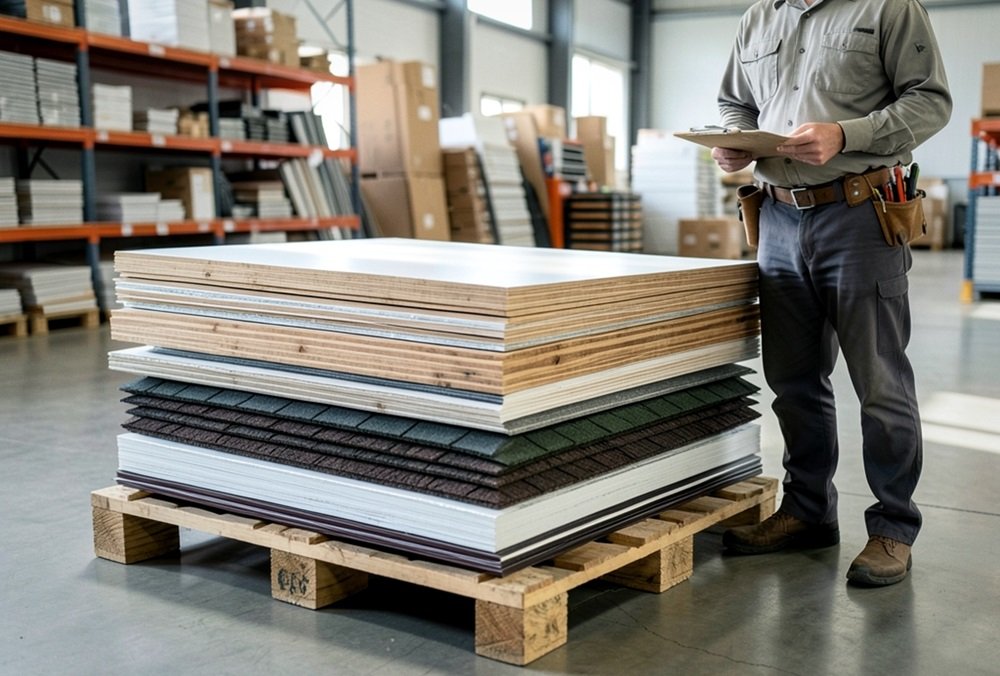
Building supplies influence several aspects of a construction project, including durability, appearance, installation requirements and ongoing maintenance. Materials should be selected according to the architectural design, site conditions and project specifications rather than appearance alone. Professional building supplies can include structural materials, wall systems, roofing products, insulation, cladding, rendering materials, concrete products, fixings and finishing accessories.
Supporting Contemporary Building Designs
Contemporary architecture often features clean lines, open spaces, large windows and a combination of different textures and materials. Selecting compatible building products helps bring these design elements together.
For example, modern wall cladding can create distinctive exterior features, while carefully selected rendering products can provide smooth or textured finishes. Concrete products, glazing systems and architectural panels can also contribute to the overall appearance of a building.
Balancing Appearance and Performance
A visually attractive material must also be appropriate for its intended application. Builders need to consider factors such as weather exposure, moisture management, thermal performance, fire safety and maintenance requirements. Reviewing technical specifications before purchasing materials helps ensure that selected products are suitable for the proposed construction system.

Essential Building Materials for Modern Construction Projects
Different stages of construction require specific products. Understanding the role of common building materials can help project teams organise their purchasing and installation schedules.
Structural and Wall Construction Materials
Structural materials form the foundation of a building’s strength and stability. Depending on the design, projects may require concrete, steel, masonry products, framing systems and suitable wall panels. Hebel and other autoclaved aerated concrete products are also used in selected wall applications. Their suitability depends on engineering requirements, product specifications and the complete building system.
Cladding and Exterior Finishes
Exterior finishes play an important role in architectural presentation and building protection. Cladding products are available in various materials, profiles, colours and finishes to suit residential and commercial designs. Builders should assess the substrate, fixing requirements, weather exposure and ventilation details before selecting an exterior cladding system.
Roofing and Insulation Products
Roofing materials protect buildings from environmental exposure while contributing to the overall architectural style. Insulation products can also support indoor thermal comfort when correctly specified and installed. The selection process should consider roof design, local climate, energy-efficiency objectives and relevant building requirements.
Rendering and Decorative Finishes
Rendering materials provide another way to achieve contemporary wall finishes. Cement-based renders, acrylic products, primers, reinforcing mesh and texture coatings are available for different substrates and applications. Using compatible products and following manufacturer instructions helps support a consistent finish.
How to Choose the Right Professional Building Supplies
Selecting materials requires more than comparing prices. Each product should meet the technical and practical needs of the project.
Understand Your Project Specifications
Start by reviewing architectural drawings, engineering documentation and construction specifications. Identify the required materials, dimensions, quantities and performance criteria. This step helps prevent unsuitable product selections and reduces the possibility of ordering materials that do not meet project requirements.
Compare Quality and Product Compatibility
Check product documentation, installation guidelines and applicable certifications where relevant. Materials used together should be compatible, particularly when selecting complete wall, roofing, waterproofing or cladding systems. Consider the expected lifespan, maintenance requirements and suitability for the building’s location.
Plan Supply and Delivery Requirements
Construction schedules depend on materials arriving when they are needed. Work with suppliers to confirm stock availability, delivery timelines and site access arrangements. For larger projects, ordering materials in stages can help manage storage space and reduce unnecessary handling on site.
The Role of Reliable Building Suppliers
A dependable building supplier can make material sourcing more organised for builders, contractors and property developers. Access to a suitable product range helps construction teams compare options and source materials for different stages of a project.
Product Variety and Availability
Suppliers offering products across categories such as cladding, rendering, wall systems, roofing and general construction materials can simplify procurement. Having access to relevant products in one place may also help project teams coordinate orders more efficiently.
Product Knowledge and Customer Support
Clear product information is essential when choosing materials for specialised applications. A professional supplier should make relevant specifications and manufacturer documentation accessible to customers. Builders should still consult architects, engineers and qualified tradespeople when technical design or installation decisions are required.
Building for the Future with Smarter Material Choices
Modern construction increasingly focuses on efficient building methods, thoughtful material selection and long-term performance. Architects and builders can explore products that support their design objectives while considering waste reduction, energy efficiency and responsible sourcing.
Choosing suitable materials early in the planning process can also help avoid unnecessary changes during construction. Careful coordination between designers, contractors and suppliers supports a more organised project workflow.
Conclusion
Professional building supplies are essential for transforming modern architectural concepts into practical residential and commercial spaces. From structural materials and wall systems to cladding, roofing and decorative finishes, every product should be selected according to the project’s design and technical requirements.
By comparing specifications, checking product compatibility and working with dependable suppliers, builders and developers can make informed construction decisions. The right professional building supplies help support contemporary designs while contributing to functional, durable and well-planned building projects.
