
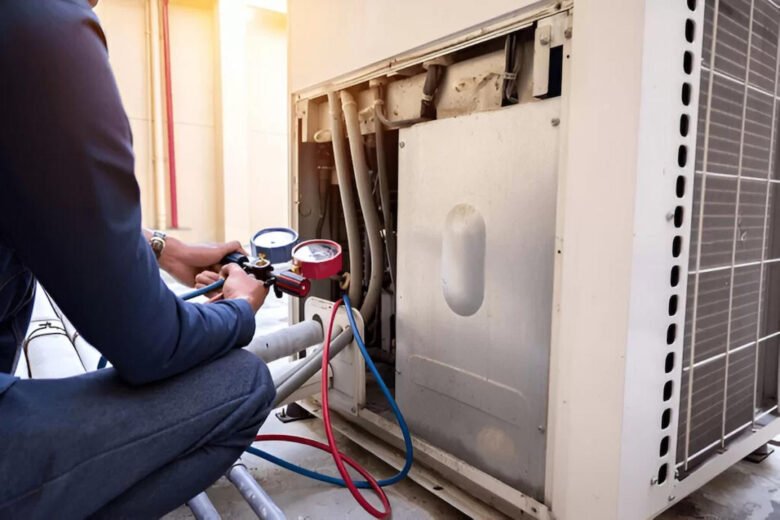
Heating and cooling systems work hard throughout the year, especially during extreme temperatures. Small HVAC issues often begin quietly, but when ignored, they can lead to expensive repairs, poor airflow, higher energy bills, and uncomfortable indoor conditions. The good news is that many common problems can be identified early with a few simple troubleshooting steps.
Professional maintenance remains essential, but homeowners can still take proactive measures to keep systems operating efficiently between service appointments. Understanding how to spot warning signs early can reduce wear, improve comfort, and extend equipment lifespan. When issues become more serious, scheduling timely air conditioning repair can prevent minor faults from turning into major system failures.
1. Pay Attention to Unusual Noises
HVAC systems naturally make some operational sounds, but loud or unusual noises often indicate developing mechanical problems.
Common warning sounds include:
- Banging
- Grinding
- Squealing
- Rattling
- Buzzing
These noises may point to loose components, motor issues, worn belts, electrical problems, or failing compressors. Addressing these concerns early can prevent complete system breakdowns.
If unusual sounds persist after a basic inspection, professional air conditioning repair may be necessary to diagnose and repair internal damage before it worsens.
2. Inspect Thermostat Settings and Batteries
Many HVAC service calls begin with simple thermostat issues. Incorrect settings, dead batteries, or calibration problems can cause systems to behave unpredictably.
Before assuming the HVAC unit is malfunctioning, homeowners should confirm:
- The thermostat is set to the correct mode
- Temperature settings are accurate
- Batteries are functioning properly
- Programmable schedules are correct
- Wi-Fi smart thermostats remain connected
Modern programmable thermostats can improve efficiency significantly by reducing unnecessary heating and cooling cycles. Even a small adjustment of a few degrees can lower monthly energy usage over time.
3. Keep Outdoor Units Clear of Debris
Outdoor condenser units need proper airflow to release heat effectively. Leaves, grass clippings, dirt, and overgrown plants can block ventilation and reduce performance.
Experts generally recommend keeping at least two feet of open space around the outdoor unit. Regularly inspecting the area helps maintain efficient airflow and reduces strain on the compressor.
Simple maintenance steps include:
- Removing leaves and branches
- Trimming nearby shrubs
- Cleaning visible dirt from fins
- Checking for signs of damage
- Keeping the top of the unit unobstructed
Restricted airflow can increase operating temperatures and shorten equipment lifespan if left unaddressed.
4. Check and Replace Dirty Air Filters Regularly
Air filters play a major role in HVAC performance. When filters become clogged with dust, pet hair, and debris, airflow becomes restricted. This forces the system to work harder to circulate air throughout the home, increasing energy consumption and reducing efficiency.
Most residential systems benefit from filter changes every one to three months, depending on indoor conditions and usage levels. Homes with pets, allergies, or frequent HVAC operation may require more frequent replacement.
Signs of a dirty filter include:
- Weak airflow from vents
- Dust buildup around registers
- Increased utility bills
- Uneven room temperatures
- Excessive system cycling
Replacing filters is one of the simplest and most affordable ways to prevent avoidable HVAC strain.
5. Monitor Airflow From Vents
Weak or inconsistent airflow usually signals an efficiency problem somewhere within the HVAC system. Blocked vents, duct leaks, dirty filters, or failing blower motors can all contribute to poor circulation.
Walk through the home periodically and check whether airflow feels balanced between rooms. Closed furniture arrangements or blocked vents can also reduce performance.
Improving airflow often helps:
- Maintain consistent indoor comfort
- Reduce operating strain
- Improve air quality
- Lower utility costs
- Prevent overheating
When airflow problems persist, professional duct inspection may be required to identify hidden leaks or obstructions.
6. Check for Water Leaks Around the System
Air conditioners naturally produce condensation, but visible water pooling around indoor units can indicate drainage problems. Clogged condensate drain lines are among the most common causes.
Signs of moisture problems include:
- Water stains near the unit
- Musty odours
- Excess indoor humidity
- Dripping water
- Mold growth
Ignoring moisture buildup can lead to water damage, microbial growth, and reduced indoor air quality. Cleaning drain lines and monitoring humidity levels helps prevent these issues from escalating.
7. Keep Vents and Registers Open
Closing vents in unused rooms may seem like a good way to save energy, but it can actually disrupt airflow balance and place additional pressure on the HVAC system.
Modern HVAC systems are designed to distribute air evenly throughout the home. Blocking vents can increase duct pressure, reduce efficiency, and create uneven temperatures.
For better performance:
- Keep most vents open
- Avoid placing furniture over registers
- Clean vents regularly
- Inspect for dust buildup
Balanced airflow allows the system to operate more efficiently while improving comfort throughout the property.
8. Schedule Preventative Maintenance Before Peak Seasons
Routine professional maintenance remains one of the most effective ways to prevent costly HVAC failures. Spring and autumn inspections help technicians identify worn components before systems experience peak seasonal demand.
Preventative maintenance commonly includes:
- Electrical inspections
- Refrigerant checks
- Coil cleaning
- Lubrication
- Airflow testing
- Thermostat calibration
According to industry studies, properly maintained HVAC systems can operate far more efficiently and experience fewer unexpected repairs over time. Preventative service also helps maintain manufacturer warranty compliance.
Conclusion
Simple HVAC troubleshooting habits can make a major difference in system reliability, indoor comfort, and long-term energy efficiency. Small actions such as replacing filters, checking thermostats, monitoring airflow, and clearing outdoor debris help reduce unnecessary wear on heating and cooling equipment.
While homeowners can address many basic maintenance concerns independently, persistent issues should never be ignored. Early professional attention often prevents expensive breakdowns and extends overall system lifespan. Combining preventative care with timely repairs helps HVAC systems operate more efficiently throughout every season.


