
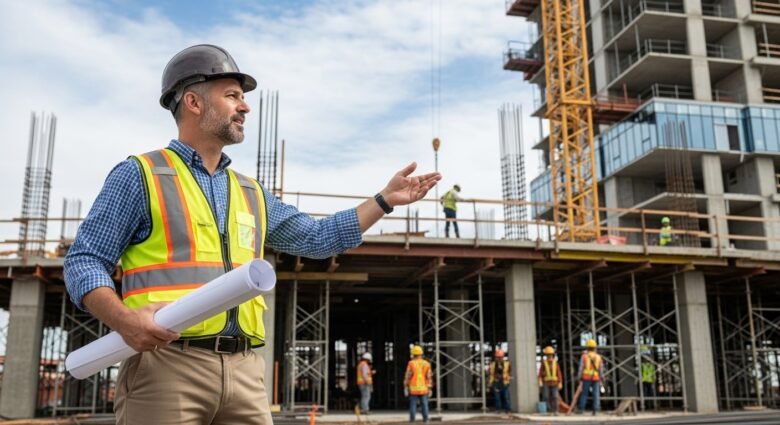
This guide will walk you through what to look for in a structural engineering consultant, the benefits of hiring the right professional, common pitfalls, and actionable strategies including tips for working with a structural design consultant to maximize results.
Why a Structural Engineering Consultant Matters
A Structural Engineering Consultant is responsible for designing and assessing the load-bearing elements of your project. Their work ensures that:
- Walls, floors, and roofs can support the intended loads
- Foundations are adequate for the soil conditions
- Structural elements meet Australian Standards and local building codes
- The building can withstand environmental stresses such as wind, seismic activity, and water exposure
Without expert input, builders risk structural failures, costly redesigns, and compliance issues. By engaging a competent consultant early, you reduce these risks and streamline the construction process.
Key Roles and Responsibilities
A structural engineering consultant’s duties typically include:
Structural Assessment
- Evaluating existing structures for safety and compliance
- Identifying potential weaknesses or risks
- Recommending reinforcement or repairs
Design and Documentation
- Creating structural designs for new builds, renovations, or extensions
- Producing detailed drawings and specifications
- Preparing calculations for load-bearing walls, beams, columns, and foundations
Compliance and Approvals
- Ensuring designs meet Australian Standards
- Assisting with council approvals and permits
- Certifying structural elements for insurance and regulatory purposes
Project Support
- Collaborating with architects, builders, and contractors
- Providing advice during construction
- Troubleshooting unforeseen structural challenges
Factors to Consider When Choosing a Structural Engineering Consultant
Selecting the right consultant can make or break your project. Here are critical factors to evaluate:
- Qualifications and Experience
- Confirm that the consultant is a licensed structural engineer in Australia
- Look for experience with similar projects in scope, scale, and complexity
- Check for professional memberships in organisations such as Engineers Australia
- Portfolio of Past Projects
- Review completed projects to assess technical competence
- Look for innovative problem-solving and attention to detail
- Ask for references from builders or clients with similar needs
- Communication Skills
- Choose someone who can explain complex engineering concepts clearly
- Regular updates and responsiveness are crucial during project phases
- Good communication helps prevent misunderstandings with contractors and councils
- Local Knowledge
- A consultant familiar with Victorian building codes and local councils can expedite approvals
- Understanding of local soil types, environmental conditions, and common construction challenges adds value
- Cost and Value
- Compare quotes but consider quality over the cheapest price
- Transparent pricing and a clear scope of work protect you from surprises
- Look for a consultant willing to work collaboratively to optimize design and budget
Common Mistakes Builders Make
Even experienced builders can fall into traps when choosing a consultant:
- Hiring too late: Waiting until construction starts can cause delays or require redesigns
- Ignoring local regulations: Non-compliance can result in council rejection or fines
- Choosing based on cost alone: Cheaper consultants may cut corners or lack experience
- Poor communication: Lack of clarity leads to misunderstandings on load calculations and construction sequences
How to Vet a Structural Engineering Consultant
Here’s a checklist to help builders make an informed decision:
- Verify credentials and licenses
- Request references and check reviews
- Assess experience with projects similar in size and scope
- Discuss design philosophy and problem-solving approach
- Confirm availability and turnaround times
- Ensure clear documentation standards
Vetting consultants properly protects both the project and the builder’s reputation.
Benefits of Engaging the Right Consultant Early
Bringing a consultant on board during the planning phase offers several advantages:
- Design efficiency: Optimized structural solutions reduce material waste
- Cost savings: Avoid expensive mistakes and reduce construction delays
- Compliance assurance: Ensures council approvals proceed smoothly
- Risk management: Identifies potential safety hazards early
- Quality outcomes: Structural integrity is maintained without compromising design aesthetics


Collaboration With Architects and Builders
A Structural Engineering Consultant should work seamlessly with architects and builders. Effective collaboration includes:
- Reviewing architectural plans to identify structural requirements
- Aligning design decisions with aesthetic goals
- Providing practical advice for construction sequencing
- Adjusting designs to fit site-specific challenges
Using a collaborative approach ensures all stakeholders are aligned, reducing errors and enhancing efficiency.
Tips for Working With a Structural Design Consultant
Here are some practical tips for working with a structural design consultant to maximize project efficiency and safety:
- Provide complete architectural plans upfront
- Share project goals, budget, and timeline early
- Maintain open communication throughout all phases
- Document all agreed changes and approvals
- Respect the consultant’s recommendations regarding safety and compliance
Following these tips creates a productive working relationship and ensures the consultant can deliver optimal structural solutions.
Questions and Answers: Common Questions About Structural Engineering Consultants
Q: What is the difference between a structural engineer and a consultant?
A: A structural engineer performs calculations and designs, while a consultant provides guidance, documentation, and coordination with other stakeholders. In practice, many consultants are licensed engineers providing both roles.
Q: Do I need a structural consultant for minor renovations?
A: Even small projects affecting walls, beams, or foundations may require consultation to ensure safety and compliance. Always seek advice if structural changes are planned.
Q: How long does a typical consultancy take?
A: Timeline depends on project complexity. Initial assessments may take a few days, design and documentation several weeks, and ongoing site support varies with project duration.
Q: Can a consultant help with council approvals?
A: Yes. A consultant prepares engineering documentation that meets regulatory standards, assisting builders in securing permits.
Q: What if a consultant identifies a structural issue on site?
A: They will provide a solution plan, including design modifications, temporary support, or reinforcement recommendations to ensure safety.
Conclusion: Choosing the Right Structural Engineering Consultant
Selecting a competent Structural Engineering Consultant is a strategic investment in the safety, efficiency, and success of your construction project. The right consultant ensures that your building:
- Meets Australian Standards and local regulations
- Is structurally safe and stable
- Achieves the desired architectural outcome
- Stays on budget and schedule
By carefully evaluating qualifications, experience, communication, and local knowledge, and following practical strategies such as tips for working with a structural design consultant, builders can make informed choices that benefit every stage of the project.


