
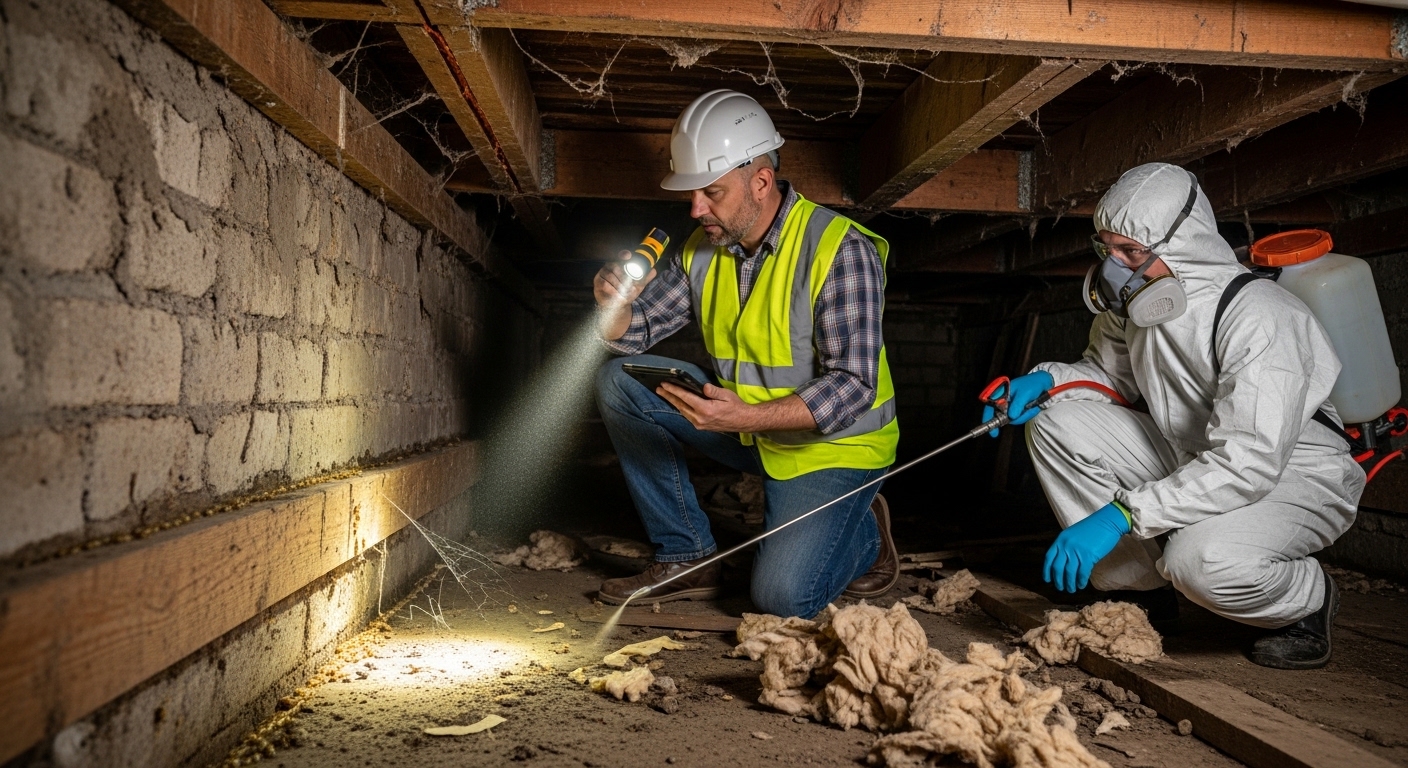
Buying a home is one of the biggest financial commitments most people will ever make. Whether it’s your first property or an addition to your investment portfolio, the excitement of securing a new home can sometimes overshadow the practical steps that protect your investment. One of the most critical steps before settlement is arranging a professional inspection to ensure the property is structurally sound and free from hidden pest issues.
Building and Pest Inspection is one of the smartest decisions a homebuyer can make before finalising a property purchase. While a home may look perfect during an open inspection, underlying structural problems, termite damage, moisture issues, or non-compliant renovations can remain hidden to the untrained eye. A professional inspection provides clarity, confidence, and negotiating power three essential elements in any successful property transaction.
Understanding What a Building and Pest Inspection Covers
A comprehensive Building and Pest Inspection involves a detailed assessment of both the structural integrity of the property and any current or potential pest infestations. Qualified inspectors evaluate:
- Foundations and subfloors
- Roofing and ceiling spaces
- Walls, doors, and windows
- Plumbing and drainage
- Electrical safety concerns (visual)
- Signs of termites or timber pests
- Moisture damage and mould risks
The keyword here is thoroughness. A professional Building and Pest Inspection is designed to uncover issues that aren’t immediately visible during routine viewings. Inspectors use specialised tools such as moisture meters, thermal imaging cameras, and tapping devices to detect hidden damage.
Why Visual Inspections Are Not Enough
It’s common for buyers to rely on their own judgment when walking through a property. Fresh paint, new flooring, and staged furniture can easily distract from more serious problems lurking beneath the surface. Cosmetic renovations often mask deeper structural concerns such as cracking foundations, leaking roofs, or pest-damaged timber.
Without a proper inspection, buyers risk inheriting expensive repairs. What may seem like a small crack in a wall could indicate significant structural movement. Minor bubbling paint might hide water damage. Even properties that appear well-maintained can harbour termite colonies in concealed areas like wall cavities or roof spaces.
Financial Protection Before Settlement
Settlement is the final stage of the property transaction. Once completed, ownership transfers to the buyer—and so do any hidden defects. This is why timing matters. Conducting an inspection before settlement gives buyers the opportunity to:
- Request repairs from the seller
- Renegotiate the purchase price
- Withdraw from the contract (subject to conditions)
- Budget accurately for future repairs
Imagine discovering major termite damage after settlement. Repair costs could easily run into tens of thousands of dollars. In contrast, the cost of a professional inspection is relatively small and acts as a form of financial insurance.
Termites: The Silent Destroyers
One of the most serious risks in Australian homes is termite infestation. Termites cause millions of dollars in property damage each year, often without homeowners noticing until the destruction is severe.
These pests can remain hidden inside walls, under flooring, and within roof timbers. By the time visible signs appear—such as sagging floors or hollow-sounding wood—the structural damage may already be extensive.
A qualified inspector identifies:
- Active termite colonies
- Previous termite damage
- Conditions conducive to infestation
- Timber decay and fungal growth
Early detection not only prevents further damage but also provides leverage during negotiations with the seller.
Structural Integrity and Safety
Beyond pests, structural defects can significantly affect a property’s value and safety. Issues such as foundation movement, roof frame sagging, or inadequate drainage may compromise the long-term stability of the home.
An inspection report outlines:
- Major structural defects
- Minor defects and maintenance concerns
- Safety hazards
- Areas requiring further specialist assessment
This detailed documentation allows buyers to make informed decisions rather than emotional ones. It transforms uncertainty into clarity.
Strengthening Your Negotiation Power
Knowledge is power in real estate negotiations. If an inspection reveals defects, buyers are in a stronger position to:
- Request repairs prior to settlement
- Seek a price reduction
- Ask for compensation to cover future repair costs
Sellers are often more willing to negotiate when presented with an independent, professional report outlining legitimate concerns. Without documented evidence, it becomes much harder to justify renegotiation.
Protecting First-Time Homebuyers
First-time buyers are especially vulnerable to hidden property issues. With limited experience in property construction and maintenance, they may overlook warning signs that seasoned investors would notice.
A professional inspection acts as an educational tool. It helps new buyers understand:
- The condition of the property
- Ongoing maintenance requirements
- Potential risks
- Long-term repair costs
This knowledge fosters responsible homeownership and reduces the likelihood of unexpected financial strain.

Long-Term Investment Security
Property is not just a home—it’s an investment. Even owner-occupiers benefit from understanding the true condition of their asset. Structural defects and pest damage can significantly impact resale value.
When it comes time to sell, previous inspection reports and documented repairs can provide reassurance to future buyers. Maintaining a property based on early inspection findings helps preserve its market value.
For investors, ensuring a property is structurally sound and pest-free protects rental income and reduces vacancy risks caused by unexpected repairs.
Peace of Mind for Buyers
Buying a property can be stressful. Between securing finance, managing legal paperwork, and coordinating settlement dates, there are many moving parts. A detailed inspection report provides reassurance during this high-pressure period.
Instead of wondering whether hidden issues exist, buyers gain a clear understanding of the property’s condition. Even if minor defects are identified, knowing about them in advance allows for proper planning.
Peace of mind is often underestimated, yet it is one of the most valuable outcomes of a professional inspection.
Legal and Contractual Considerations
Many property contracts include clauses allowing buyers to conduct inspections within a specified timeframe. Failing to act within this period may result in losing the right to withdraw based on inspection findings.
Understanding contractual obligations and arranging inspections promptly ensures buyers remain protected under the terms of their agreement. Working with experienced inspectors and conveyancers helps streamline this process.
Common Issues Uncovered During Inspections
Some of the most frequent findings in inspection reports include:
- Roof leaks and damaged tiles
- Subfloor moisture and inadequate ventilation
- Cracked brickwork or shifting foundations
- Poor drainage around the property
- Non-compliant renovations
- Termite damage or risk factors
Many of these issues are repairable, but discovering them early is key. Delayed identification can lead to escalating repair costs.
The Cost vs. Risk Comparison
Some buyers hesitate to invest in inspections to save money. However, when compared to potential repair costs, inspection fees are minimal.
For example:
- Replacing structural timbers damaged by termites can cost thousands.
- Major roof repairs may run well beyond initial budgets.
- Foundation repairs can become extremely expensive and disruptive.
Spending a relatively small amount upfront significantly reduces the risk of major financial setbacks later.
Choosing the Right Inspector
Not all inspections are equal. Buyers should ensure the inspector:
- Is licensed and insured
- Provides detailed written reports
- Uses modern detection tools
- Has strong industry experience
- Is independent and unbiased
A reputable professional will explain findings clearly and answer any follow-up questions, helping buyers fully understand the report.
Final Thoughts
Purchasing property without a thorough inspection is a gamble few buyers can afford. Hidden structural issues and pest infestations can turn a dream home into a financial burden. By arranging a professional inspection before settlement, buyers gain critical insights that protect both their investment and their peace of mind.
