
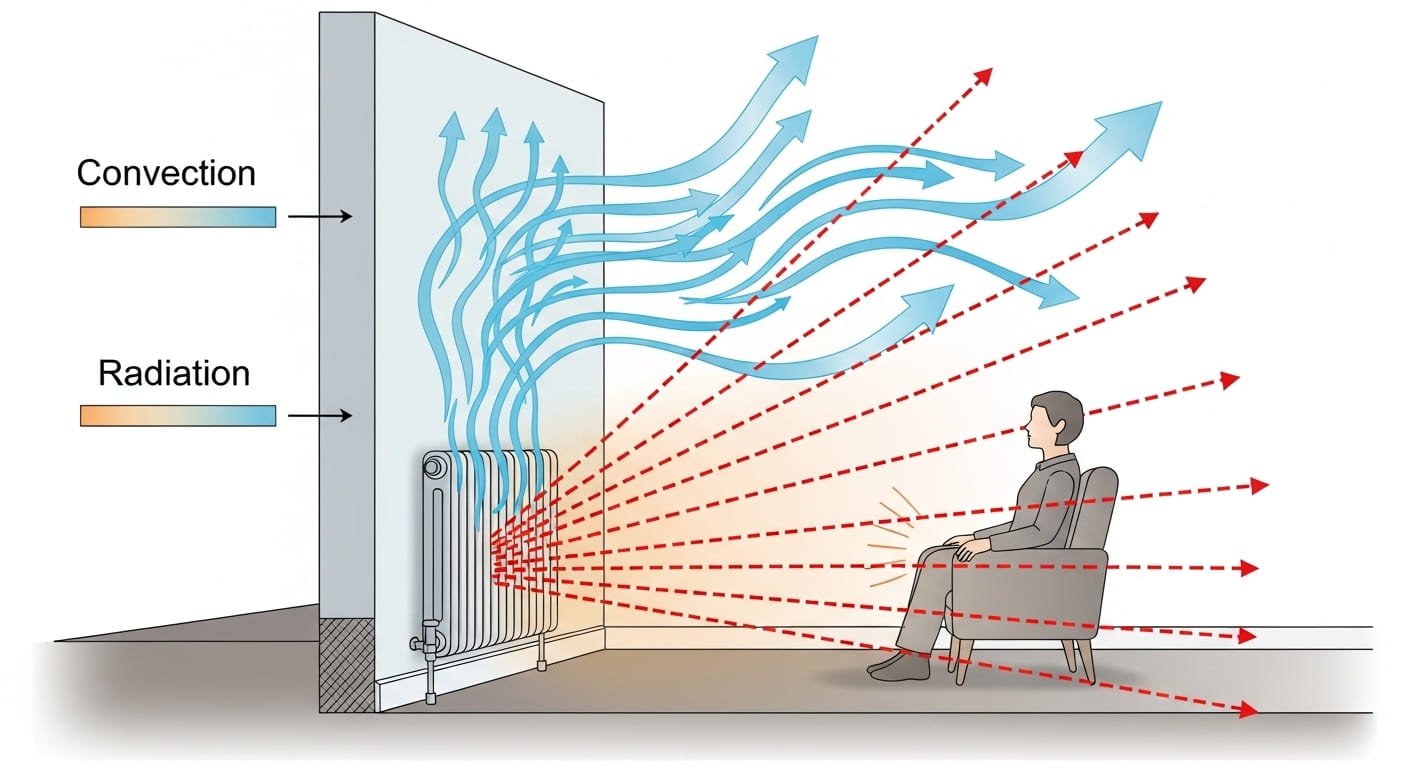
A home should feel consistently warm and comfortable, yet many households face a familiar frustration—one room stubbornly remains colder than the rest. Whether it is a bedroom at the back of the house or a rarely used living space, uneven heating can disrupt comfort and increase energy costs. Understanding why this happens is the first step towards creating a balanced indoor environment that works efficiently for your entire home.
Often, the issue lies not with the heating system itself, but with how heat is distributed across different rooms. Achieving improved radiator heat distribution requires attention to both system performance and how heat moves within your space. Small inefficiencies can lead to noticeable temperature differences, especially during colder months when heating demand is at its peak.
Common Causes of Uneven Heating
Uneven heating rarely stems from a single issue. Instead, it is usually a combination of factors that affect how warmth circulates throughout your home.
Poor Radiator Balance
Radiator balancing ensures that hot water flows evenly through each radiator. If your system is unbalanced, radiators closer to the boiler tend to heat up faster and more intensely, while those further away receive less heat. This imbalance can leave certain rooms feeling significantly colder.
Air Trapped in Radiators
Air pockets within radiators can block hot water from circulating properly. This often results in cold spots at the top of the radiator, reducing its overall efficiency and heat output.
Inadequate Insulation
Rooms with poor insulation lose heat more quickly than others. External walls, old windows, or insufficient loft insulation can all contribute to heat escaping, making it difficult for the radiator to maintain a comfortable temperature.
How Heating System Design Impacts Temperature
The layout and design of your heating system play a crucial role in how evenly heat is distributed.
Pipework Layout
Long or complex pipe runs can reduce the pressure and temperature of water reaching distant radiators. This means that rooms further away from the boiler may not receive sufficient heat, especially in larger homes.
Boiler Performance
An ageing or undersized boiler may struggle to meet the heating demands of your property. If the system cannot produce enough heat, some rooms will inevitably feel colder than others.
Thermostat Placement
Thermostats positioned in warmer areas can mislead the heating system into switching off too early. As a result, colder rooms never reach the desired temperature.
Practical Steps to Improve Heat Distribution
Addressing uneven heating does not always require a complete system overhaul. In many cases, simple adjustments can make a noticeable difference.
Bleed and Balance Radiators
Regularly bleeding radiators removes trapped air, allowing hot water to circulate freely. Balancing ensures each radiator receives the right amount of flow, improving overall system efficiency.
Upgrade Insulation
Improving insulation helps retain heat within each room. Consider sealing draughts, upgrading windows, or adding insulation to walls and loft spaces to minimise heat loss.
Adjust Thermostatic Radiator Valves (TRVs)
TRVs allow you to control the temperature of individual radiators. By fine-tuning these settings, you can ensure that each room receives an appropriate level of heat.
In some cases, achieving improved radiator heat distribution may involve upgrading older components or optimising system settings to suit your home’s layout. Even minor changes can lead to better comfort and reduced energy consumption.
Signs Your Heating System Needs Attention
Recognising early warning signs can help prevent long-term inefficiencies and costly repairs.
- Radiators taking longer than usual to heat up
- Noticeable temperature differences between rooms
- Persistent cold spots on radiators
- Unusual noises such as gurgling or banging
- Increasing energy bills without higher usage
If you notice any of these issues, it may be time to assess your heating system more closely.
The Role of Room Layout and Usage
Not all rooms are used in the same way, and this can influence how warm they feel.
Furniture Placement
Large pieces of furniture placed in front of radiators can block heat from circulating effectively. This prevents warm air from spreading evenly across the room.
Room Size and Ceiling Height
Larger rooms or those with high ceilings require more energy to heat. Without adequate radiator capacity, these spaces may remain cooler than smaller rooms.
Sunlight Exposure
Rooms that receive natural sunlight tend to stay warmer during the day, while shaded areas may rely entirely on artificial heating.
When to Consider Professional Help
While many heating issues can be resolved with simple maintenance, some situations require expert attention.
System Power Flushing
Over time, sludge and debris can build up within your heating system, restricting water flow. A professional power flush can remove these blockages and restore efficiency.
Radiator Upgrades
Older radiators may no longer perform efficiently. Replacing them with modern, energy-efficient models can significantly improve heat output and distribution.
Boiler Assessment
If your boiler is outdated or underperforming, a professional assessment can determine whether repairs or replacement are necessary.
Energy Efficiency and Long-Term Benefits
Improving heat distribution is not just about comfort—it also has a direct impact on energy efficiency.
A well-balanced system reduces wasted energy, as each room reaches the desired temperature without overworking the boiler. This leads to lower utility bills and a reduced environmental footprint.
Additionally, consistent heating can help prevent issues such as damp and mould, which thrive in colder areas of the home.
Conclusion
A cold room in an otherwise warm home is more than a minor inconvenience—it is a sign that your heating system may not be operating at its full potential. From radiator balancing to insulation improvements, there are several practical steps you can take to address uneven heating.
By understanding the underlying causes and making targeted adjustments, you can create a more comfortable and energy-efficient living environment. If the problem persists, seeking professional advice can provide tailored solutions that ensure every room in your home stays warm, regardless of the season.
