
From what I’ve seen, getting a proper Eye test Is the first step to protecting your vision, whether you live in Sydney’s CBD or a farm near Wagga Wagga. This guide walks you through what actually happens during the exam, how often you should book one, which clinics in Melbourne, Perth and Brisbane deliver top‑tier care, and what to bring so you’re not caught off‑guard. I’ll also flag the red‑flag symptoms that demand an urgent appointment and share practical tips for after‑care. The end you’ll know exactly what to expect and how to keep your eyes healthy in 2026.
Understanding the eye test process
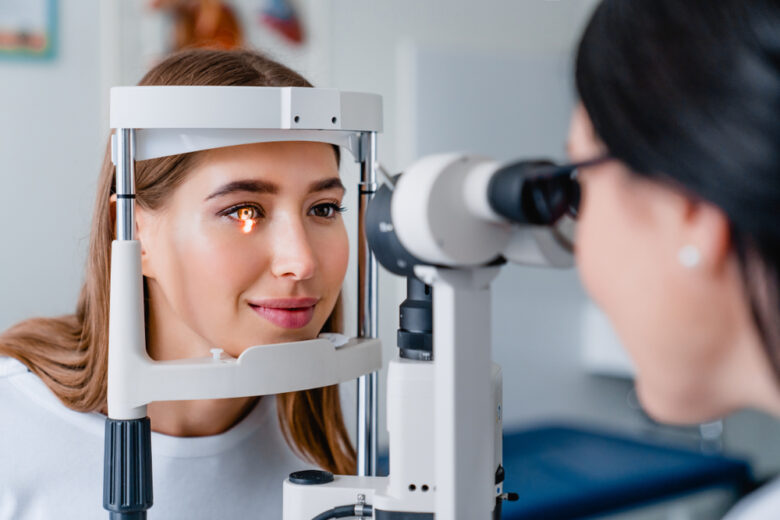
First, the optometrist checks visual acuity with a Snellen chart, then moves on to refraction using an autorefractor to fine‑tune any prescription. They’ll also assess pupil response, perform a slit‑lamp examination, and measure intra‑ocular pressure with a non‑contact tonometer… For patients with diabetes or a family history of glaucoma, a retinal scan with optical coherence tomography (OCT) is added. The whole routine usually runs 20‑30 minutes, but if you need dilation, you’ll be in the chair a bit longer.
- Visual‑acuity chart – standard 6 metre distance.
- Autorefractor – quick estimate of refractive error.
- Slit‑lamp – evaluates cornea, lens, and anterior chamber.
- Tonometry – checks eye pressure to rule out glaucoma.
- OCT – high‑resolution imaging of retina and optic nerve.
The technician will note any irregularities, such as floaters or scotomas, and may run a visual‑field test if you report peripheral vision loss. They’ll also ask about medications, recent eye injuries, and lifestyle factors like screen time or high‑altitude exposure. All this data feeds into a comprehensive eye health check that can spot early cataract formation or macular degeneration before symptoms appear.
- Medication review – especially steroids or antihistamines.
- Injury disclosure – recent trauma can affect results.
- Lifestyle questionnaire – digital strain, UV exposure.
- Family history – glaucoma, diabetic retinopathy.
When to Schedule an eye test…
In my experience, most adults benefit from a routine exam every two years, but there are clear triggers that make an appointment urgent. If you notice sudden flashes, a surge of floaters, or a noticeable dip in night vision, book an eye test right away… Same goes for anyone with uncontrolled diabetes, high blood pressure, or a known genetic eye disease. Pregnant women often experience changes in refraction, so a check in the second trimester can prevent discomfort.
- New onset of visual disturbances – flash, floaters.
- Systemic conditions – diabetes hypertension.
- Pregnancy – hormonal shifts affect corneal thickness.
- Occupational hazards – pilots heavy‑vehicle drivers.
Kids should have their first eye test at six months, then again at four years and before school starts. Early detection of amblyopia or strabismus can dramatically improve outcomes. If your child complains of frequent headaches or squints while reading, it’s a sign to schedule an appointment.
- Infant screening – at six months.
- Preschool check – at four years.
- School‑age review – before first grade.
- Signs to watch – head tilt, eye‑rubbing.
How often should you have an eye test…
Most healthy adults over 40 should see an optometrist at least every two years, but if you have a family history of glaucoma, an annual eye test is advisable. For seniors over 65, the risk of cataracts and age‑related macular degeneration rises sharply, so a yearly exam can catch problems early. In contrast, younger adults with stable prescriptions may stretch to a three‑year interval, provided they have no symptoms.
- Age 40‑64 – every 2 years.
- Age 65+ – annually.
- High‑risk – yearly eye test.
- Stable prescription – up to 3 years.
People who wear contact lenses should have a check at least once a year because lens wear can mask early keratoconus or dry‑eye issues. If you’re a frequent traveler to high‑altitude locations like the Australian Alps an extra eye test before the season can help you adjust to thinner air & UV exposure.
- Contact‑lens wearers – annual check.
- High‑altitude exposure – pre‑season exam.
- Digital‑screen users – consider a vision‑strain assessment.
Choosing the right eye test clinic in Australia…
When you’re hunting for a clinic, look for practices that use up‑to‑date equipment like OCT and corneal topography. In Sydney, the Glebe Eye Centre is known for its quick turnaround on prescription glasses… Over in Melbourne’s Camberwell, the VisionCare Group offers extended hours for working professionals. If you live in regional areas such as Toowoomba or Gladstone, public hospitals often provide free eye test services for Medicare‑eligible patients, though waiting lists can be longer.
- State‑of‑the‑art tech – OCT, topography.
- Location convenience – CBD suburbs rural hubs.
- Hours of operation – early mornings, evenings.
- Medicare eligibility – public vs. Private pathways.
Read reviews on local forums like Whirlpool or the Australian Optometry Association’s directory. A good sign is transparent communication about what each part of the exam entails. If a clinic advertises a “comprehensive eye test” that includes cataract screening & diabetic retinopathy checks, that’s a strong indicator they’re covering the full spectrum.
- Patient testimonials – consistency of care.
- Clinic accreditation – AOHA standards.
- Service breadth – cataract, diabetic, glaucoma.
What to expect during your eye test appointment
When you walk in, the receptionist will confirm your details and ask about any recent changes in vision. You’ll be asked to remove contact lenses at least 24 hours before dilation, & to avoid makeup that could interfere with the slit‑lamp. The optometrist will then guide you through each step, explaining why they’re measuring each parameter.
- Check‑in – verify personal and medical info.
- Contact‑lens removal – 24 h before dilation.
- Makeup removal – avoid contamination.
After the basic visual‑acuity and refraction, the doctor may dilate your pupils with tropicamide drops. Expect the lights to feel brighter for a few hours, & avoid driving until the effect wears off. The dilation allows a thorough retinal exam, which is crucial for spotting early diabetic changes or macular degeneration.
- Dilation drops – tropicamide, effect 4‑6 hours.
- Post‑dilation – avoid driving, wear sunglasses.
- Retinal imaging – OCT, fundus photography.
Once the exam is complete, you’ll receive a printed report with your prescription, any diagnosed conditions, and a recommended follow‑up schedule… I mean, if a condition like glaucoma is detected, the optometrist will refer you to an ophthalmologist for further management.
- Report – prescription, diagnosis, recommendations.
- Referral – specialist if required.
- Prescription fulfilment – lenses within a week.
Special considerations: children, seniors, and high‑risk groups
Eye test for children
Kids often struggle to sit still, so optometrists use game‑based visual‑field tests that turn the chart into a fun activity. The exam may include a cover‑test to detect strabismus and a retinoscopy to gauge refractive error without relying on verbal responses. Early intervention can prevent amblyopia, which is harder to treat after age 7.
- Game‑based acuity – keeps children engaged.
- Cover‑test – checks eye alignment.
- Retinoscopy – objective refraction.
Eye test for seniors…
Older adults benefit from a more extensive cataract screening, often using a slit‑lamp with a retro‑illumination filter. Honestly, intra‑ocular pressure checks become more frequent because the prevalence of primary open‑angle glaucoma rises after 60. Many clinics also offer a low‑vision assessment to determine if magnifiers or specialized lighting are needed for daily tasks.
- Cataract screening – retro‑illumination.
- Glaucoma monitoring – regular tonometry.
- Low‑vision aids – magnifiers, task lighting.
Beyond the exam: eye health tips and follow‑up…
After your eye test, protect your eyes with UV‑blocking sunglasses, especially when you’re out on Bondi Beach or the Whitsundays. A diet rich in omega‑3 fatty acids, leafy greens, and lutein can support retinal health. If you spend more than two hours a day on a screen, follow the 20‑20‑20 rule: every 20 minutes, look at something 20 feet away for 20 seconds.
- UV protection – sunglasses with 100 % UV‑A/B.
- Nutrition – omega‑3, lutein, zeaxanthin.
- Screen break – 20‑20‑20 rule.
Should your prescription change, most optometrists will send the new specs directly to your preferred glasses retailer. If you’re considering laser‑vision correction, ask for a pre‑operative eye test that includes corneal topography and wavefront analysis. This helps determine if you’re a candidate for LASIK, PRK, or SMILE.
- Prescription delivery – electronic to retailers.
- Laser‑vision eligibility – topography, wavefront.
- Procedure types – LASIK, PRK, SMILE.
Post‑eye test care
After dilation, keep your eyes lubricated with preservative‑free artificial tears, especially if you’re prone to dry eye. If you notice persistent redness or pain, contact the clinic immediately – it could signal an infection or inflammation. Ah, most practices will schedule a follow‑up within six weeks to review test results and discuss any treatment plans.
- Artificial tears – relieve post‑dilation dryness.
- Warning signs – redness, pain, sudden vision loss.
- Follow‑up timing – typically six weeks.
Conclusion…
Getting an eye test is a straightforward, life‑enhancing habit that every Australian should adopt, from a teenager in Fitzroy to a retiree in Hobart. By understanding the steps, knowing how often to book, choosing a reputable clinic, & following post‑exam advice, you’ll keep your vision sharp for years to come. If you notice any changes or belong to a high‑risk group, don’t wait – schedule your next appointment today.


