
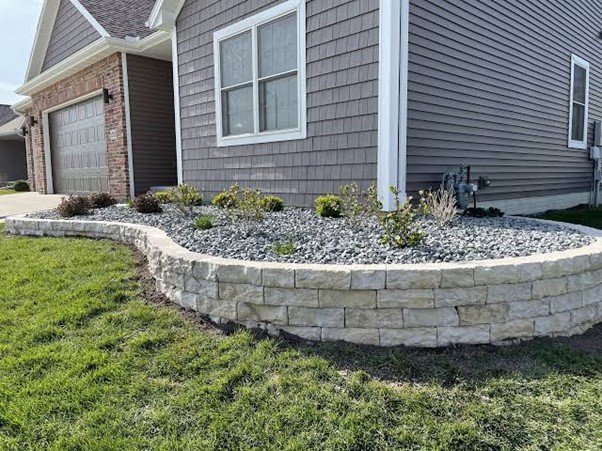
Have you ever looked at a sloped backyard and wondered how to make it more usable? Are you dealing with soil erosion that’s slowly eating away at your property? Perhaps you’ve noticed your neighbour’s stunning terraced garden and thought, “How did they pull that off?”
If any of these questions resonate with you, then retaining walls might just be the answer you’re looking for. These hardworking structures do far more than simply hold back dirt. They transform unusable slopes into functional outdoor spaces, prevent erosion, and can dramatically boost your property’s kerb appeal. For Australian homeowners, where varied terrain and unpredictable weather are part of daily life, understanding retaining walls isn’t just helpful—it’s practically essential.
In this guide, you’ll learn everything you need to know about building retaining walls that stand the test of time. We’ll walk through the basics of what these structures do, explore the best materials for Australian conditions, and share five critical tips that separate successful projects from costly failures. Whether you’re planning a DIY weekend project or preparing to chat with a contractor, this information will set you up for success.
Understanding Retaining Wall Basics
What Is A Retaining Wall And Why Do You Need One?
A retaining wall is essentially a structure designed to hold back soil and prevent it from sliding or eroding. Think of it as a strong, silent guardian for your property’s landscape. These walls become necessary when you have sloped land that needs levelling, or when you want to create distinct levels in your garden.
Beyond the practical benefits, retaining walls open up a world of design possibilities. They can create flat areas for entertaining, establish garden beds at different heights, or simply make a steep block more manageable. In Australia, where many properties sit on challenging terrain, these structures are incredibly common.
How High Can You Build A Retaining Wall Without Council Approval?
This question comes up constantly, and the answer varies depending on your location. Generally speaking, most Australian councils allow retaining walls up to 1 metre high without requiring approval. However, some councils set this limit at 600mm, particularly in areas with specific soil conditions or drainage concerns.
Before you start digging, always check with your local council. Building a wall that exceeds height limits without approval can result in fines, and you might even be required to demolish the structure. It’s simply not worth the risk.
Common Types Of Retaining Walls For Australian Homes
Australian homeowners have several options when it comes to retaining wall materials. <strong>Timber retaining walls</strong> remain popular for their natural appearance and relatively low cost, though they typically last 15-20 years before needing replacement. <strong>Concrete sleeper retaining walls</strong> offer superior durability and come in various finishes that mimic natural stone or timber.
<strong>Stone and rock retaining walls</strong> provide a premium look and exceptional longevity, though they come with a higher price tag. <strong>Gabion retaining walls</strong>—wire cages filled with rocks—have gained popularity recently for their modern industrial aesthetic and excellent drainage properties.
Tip 1: Planning And Design Essentials
How Do You Know If You Need A Retaining Wall?
Several signs indicate you might benefit from a retaining wall. If water pools near your home’s foundation after rain, a wall could redirect drainage. Visible soil erosion on slopes, cracks in existing structures, or difficulty maintaining sloped garden areas all point toward the need for intervention.
Assessing Your Site Conditions And Soil Type
Before any construction begins, understanding your soil is crucial. Clay soils expand and contract with moisture changes, putting extra pressure on walls. Sandy soils drain well but may lack stability. A simple soil test, available from hardware stores, can reveal what you’re working with.
Take note of how water moves across your property during rain. Where does it collect? Where does it flow? This information directly impacts your wall’s design and drainage requirements.
Do You Need An Engineer For A Retaining Wall?
For walls over 1 metre high, engaging a structural engineer isn’t just recommended—it’s often legally required. Engineers calculate the forces your wall must withstand and specify appropriate construction methods. While this adds to your project cost, it’s a small price for structural integrity and peace of mind.
Tip 2: Choosing The Right Materials
What Is The Best Material For A Retaining Wall?
The “best” material depends entirely on your specific situation. Concrete sleepers suit most Australian conditions brilliantly, offering strength, longevity, and design flexibility. For smaller walls in garden settings, treated timber provides a cost-effective solution with natural charm.
Consider your property’s style, your budget, and how long you plan to stay in your home. A premium stone wall makes sense if you’re creating your forever home, while timber might be perfectly adequate for a short-term fix.
Durability And Maintenance Considerations
Timber requires regular treatment and inspection for rot or termite damage. Concrete is relatively maintenance-free but may develop surface cracks over time. Stone walls, when properly built, can last generations with minimal upkeep. Factor ongoing maintenance into your material decision.
Tip 3: Getting Drainage Right
Why Drainage Is Critical For Retaining Wall Longevity
Here’s a truth many DIY builders learn the hard way: water is your retaining wall’s biggest enemy. When water accumulates behind a wall, it creates hydrostatic pressure that can push even well-built structures to failure. Proper drainage isn’t optional—it’s absolutely essential.
How Do You Prevent Water Damage Behind A Retaining Wall?
Install a drainage system behind the wall using gravel backfill and agricultural drainage pipe (commonly called ag pipe). This creates a pathway for water to escape rather than building up against the wall. The gravel layer should be at least 300mm wide for effective drainage.
Installing Weep Holes And Drainage Pipes
Weep holes are small openings at the base of your wall that allow water to escape. Space them approximately every 1.2 metres along the wall’s length. Connect your ag pipe to these outlets or run it to a suitable discharge point. Getting drainage right from the start saves enormous headaches later.
Tip 4: Building A Solid Foundation
Preparing The Base For Your Retaining Wall
Your wall is only as strong as what sits beneath it. Start by excavating a trench wider than your wall’s base. Remove any organic material, rocks, or debris. The ground should be firm and stable before you proceed.
How Deep Should A Retaining Wall Footing Be?
A general rule suggests footings should be one-third the height of the wall being supported. For a 1-metre wall, that means a 300mm deep footing. In areas with clay soil or poor drainage, deeper footings may be necessary. When in doubt, consult a professional.
Compaction And Levelling Techniques
Compact the base thoroughly using a plate compactor or hand tamper. Add a layer of compacted roadbase or crushed rock for stability. Use a spirit level obsessively—an unlevel foundation leads to walls that lean, crack, or fail entirely. Taking extra time here pays dividends throughout the project.
Tip 5: Knowing When To Diy Vs Hire A Professional
Can I Build A Retaining Wall Myself?
Small walls under 600mm are generally suitable for confident DIYers with basic construction skills. You’ll need proper tools, patience, and willingness to research thoroughly. Many hardware stores offer helpful guides and even workshops for beginners.
When Should You Hire A Retaining Wall Contractor?
Consider hiring professionals for walls over 1 metre, projects involving significant drainage challenges, or situations where the wall supports structures like driveways or buildings. Complex sites with difficult access or problematic soil conditions also warrant expert involvement.
Common Retaining Wall Mistakes To Avoid
What Causes Retaining Walls To Fail?
Poor drainage tops the list of failure causes. Inadequate foundations, incorrect material selection, and building too high without engineering input follow closely behind. Skipping compaction steps or using inappropriate backfill materials also contribute to premature failure.
Signs Your Retaining Wall Needs Repair
Watch for leaning, bulging, or cracking in existing walls. Water seeping through the face, rather than through weep holes, indicates drainage problems. Soil appearing at the wall’s base suggests failure is imminent. Address these warning signs promptly to avoid costly reconstruction.
Your Retaining Wall Project Starts Here
Building a successful retaining wall comes down to five critical elements: thorough planning, appropriate material selection, excellent drainage, solid foundations, and knowing your limits. Skip any of these, and you’re setting yourself up for disappointment.
Remember that retaining walls are permanent structures that affect both your property and potentially your neighbours. Taking time to research, plan, and execute properly isn’t just smart—it’s respectful of your investment and your community. The difference between a wall that lasts decades and one that fails within years often comes down to attention to detail during construction.
Whether you tackle this project yourself or bring in the professionals, you now have the knowledge to make informed decisions. Start by assessing your site, understanding your council’s requirements, and considering which materials suit your needs and budget. Your future self will thank you for building it right the first time.
