
Are you tired of sweltering through Camberwell summers without proper cooling? Have you been putting off buying an air conditioning system because the options seem overwhelming? What if picking the right system could actually save you thousands of dollars over the years?
Choosing air conditioning for your Camberwell home isn’t just about staying cool during those scorching Melbourne summers. It’s about making a smart investment that’ll keep your family comfortable year-round while keeping energy bills in check. With so many options flooding the market, from split systems to ducted units, making the right choice can feel like navigating a maze blindfolded.
In this guide, we’ll walk you through five practical strategies to help you find the perfect air conditioning system for your home. You’ll learn how to assess your cooling needs, compare different system types, understand energy efficiency ratings, factor in installation requirements, and set a realistic budget.
By the end, you’ll have all the knowledge needed to make a confident decision that suits both your lifestyle and your wallet.
1. Assess Your Home’s Cooling Requirements
Before you even start browsing air conditioning options, you need to understand exactly what your home requires. Getting this wrong could mean wasting money on an oversized unit or suffering through inadequate cooling.
Understanding Room Size and Layout
The size of the space you want to cool plays a massive role in determining the right system. A general rule of thumb suggests you need around 120-150 watts of cooling capacity per square metre. However, other factors matter too ceiling height, insulation quality, window size, and which direction your rooms face all affect your cooling needs.
Open-plan living areas present their own challenges. Heat moves freely through these spaces, so you’ll need a system powerful enough to handle the entire area. On the other hand, homes with separate rooms might benefit from a different approach altogether.
How Do I Know What Size Air Conditioner I Need?
To calculate the right size, multiply your room’s square metres by the recommended wattage. For instance, a 30-square-metre room typically needs a unit rated between 3.5 and 4.5 kilowatts. Bear in mind that rooms with lots of windows or poor insulation may need more power. Getting a professional assessment ensures you won’t end up with a system that’s too small to cool effectively or too large and cycling on and off wastefully.
Considering Camberwell’s Climate and Seasonal Demands
Camberwell experiences hot summers and cool winters, making reverse-cycle systems particularly appealing. These units provide both cooling and heating, giving you year-round comfort from a single system. Consider how often you’ll actually use your air conditioning—if you only need it for a few weeks each summer, your priorities might differ from someone working from home daily.
2. Compare Air Conditioning System Types
Not all air conditioners are created equal. Each type has distinct advantages and drawbacks, so understanding your options helps you make an informed choice.
Split System Air Conditioners: Pros and Cons
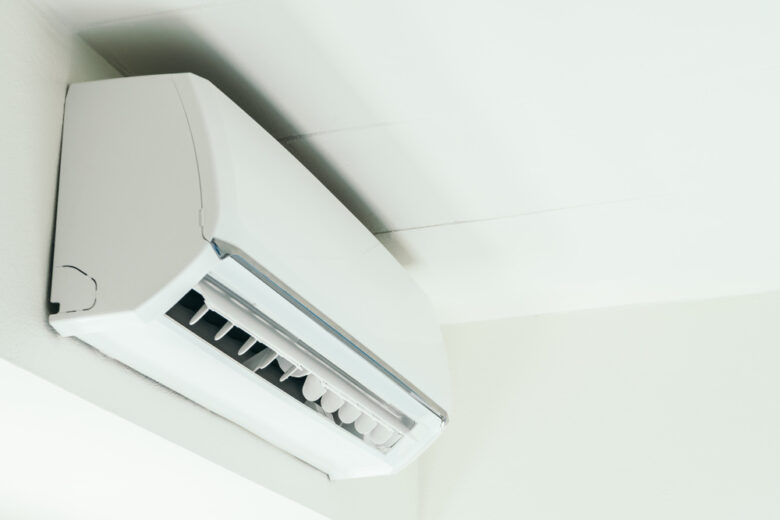
Split systems remain Australia’s most popular choice, and for good reason. They’re relatively affordable, easy to install, and work brilliantly for cooling individual rooms or zones. The indoor unit sits on your wall while the outdoor compressor tucks away outside.
The downside? If you need to cool multiple rooms, you’ll require several units, which can add up quickly. Plus, they’re not ideal for very large open-plan spaces where ducted systems might perform better.
Ducted Air Conditioning: Is It Worth the Investment?
Ducted systems offer whole-home cooling through vents installed in your ceiling or floor. They’re discreet, powerful, and allow you to control temperatures in different zones independently. For larger Camberwell homes, they often make the most sense.
The catch is the upfront cost ducted installation typically runs significantly higher than split systems. You’ll also need adequate ceiling space for the ductwork. However, if you’re building or renovating, this might be the perfect time to consider ducted air conditioning.
What Is the Most Efficient Type of Air Conditioning for Australian Homes?
Inverter split systems generally offer the best efficiency for most Australian households. Unlike older fixed-speed models, inverter technology adjusts the compressor speed to maintain your desired temperature rather than constantly switching on and off. This results in lower running costs and more consistent comfort.
Evaporative Cooling vs Refrigerated Systems
Evaporative coolers work by drawing air through water-soaked pads, making them cheaper to run and more environmentally friendly. They perform best in dry climates and require you to keep windows slightly open.
Refrigerated systems, including most split and ducted units, work in any humidity level and allow you to seal your home completely. For Melbourne’s variable climate, refrigerated systems typically offer more reliable performance throughout the season.
3. Prioritise Energy Efficiency and Running Costs
Buying an air conditioner is one thing running it is another expense entirely. Understanding efficiency ratings helps you avoid bill shock.
Understanding Energy Star Ratings
Energy star ratings make comparing efficiency straightforward. More stars mean lower running costs. Look for systems with at least four stars for cooling though six-star units, while pricier upfront, can save you hundreds annually on electricity.
The Zoned Energy Rating Label (ZERL) provides even more detail, showing how systems perform in different Australian climate zones. Check this label to see how your chosen unit will perform specifically in Melbourne’s conditions.
Inverter Technology: Why It Saves You Money
Inverter technology represents a genuine game-changer for energy efficiency. Traditional systems blast cold air at full power, then shut off completely before cycling back on. Inverter units gradually adjust their output, maintaining steady temperatures with far less energy.
Although inverter models cost more initially, most households recoup the difference within two to three years through reduced electricity bills. They also tend to last longer due to less mechanical stress.
4. Factor in Installation and Maintenance Needs
Even the best air conditioning system won’t perform properly without professional installation and regular upkeep.
What Should I Look for in an Air Conditioning Installer?
Always choose a licensed installer with experience in your preferred system type. Check they hold the appropriate refrigerant handling licence and ask about their warranty coverage. Reading reviews from other Camberwell customers helps gauge reliability.
Get at least three quotes before committing. Be wary of prices that seem too good to be true poor installation leads to inefficiency, breakdowns, and voided warranties.
Professional Installation vs DIY: What You Need to Know
In Australia, air conditioning installation isn’t a DIY job. Handling refrigerants requires specific licences, and electrical work must comply with strict regulations. Attempting installation yourself could void warranties, breach laws, and potentially create safety hazards.
Professional installers also ensure your unit is positioned correctly for optimal airflow and efficiency. They’ll advise on the best location to minimise noise and maximise performance.
How Often Should Air Conditioning Be Serviced?
Annual servicing is the minimum recommendation, though heavily used systems benefit from twice-yearly check-ups. Professional technicians will clean coils, check refrigerant levels, inspect electrical connections, and identify potential problems before they become expensive repairs.
5. Set a Realistic Budget Without Compromising Quality
Finding the balance between affordability and quality requires honest assessment of your priorities and long-term thinking.
Upfront Costs vs Long-Term Value
A cheaper system might seem attractive initially, but consider the total cost of ownership. Lower-efficiency units with shorter warranties often end up costing more over five to ten years when you factor in running costs and repairs.
Quality systems from reputable brands typically offer better efficiency, longer warranties, and more reliable performance. Think of air conditioning as a long-term investment in your home’s comfort.
Are Expensive Air Conditioners Worth It?
Premium systems generally deliver superior efficiency, quieter operation, advanced features, and better build quality. Whether they’re worth it depends on your circumstances. If you’ll use air conditioning frequently, investing more upfront usually pays off. For occasional use, a mid-range option might suit you better.
Finding Reliable Air Conditioning Services in Camberwell
Local Camberwell specialists understand Melbourne’s climate and can recommend systems suited to your specific needs. Look for companies offering comprehensive services—from consultation through installation to ongoing maintenance. Established local businesses have reputations to protect, often providing more accountable service than faceless national chains.
Making the Right Choice for Your Camberwell Home
Choosing the right air conditioning system doesn’t need to feel overwhelming. By assessing your cooling requirements, comparing system types, prioritising efficiency, factoring in installation needs, and setting a realistic budget, you’re well-equipped to make a smart decision.
Remember, the cheapest option rarely offers the best value. Think long-term consider running costs, maintenance requirements, and how the system will perform across Melbourne’s variable seasons. Taking time to research now saves headaches and money down the track.
Ready to enjoy comfortable summers and cosy winters in your Camberwell home? Start by getting professional assessments from local specialists who understand your area’s unique requirements. Your perfect air conditioning system is out there waiting you’ve just got to find it.

