
Ever found yourself rummaging through a chaotic pile of plastic bags under the sink? Or perhaps you’ve wrestled with tangled bin liners when you’re already running late? If you’re nodding along, you’re definitely not alone. These small frustrations might seem trivial, but they add up to wasted time and unnecessary stress in our daily routines.
Here’s the thing – efficient bin bag storage matters more than most of us realise. A well-organised system saves you precious minutes each week, keeps your kitchen looking tidy, and even helps your bags last longer. When bags are stored properly, they’re less likely to tear, stretch, or become unusable. Plus, there’s something genuinely satisfying about pulling out a perfectly dispensed bag without any fuss.
In this guide, we’ll explore everything you need to know about using a trash bag roll dispenser like a pro. You’ll discover how to store plastic shopping bags properly, master different folding techniques for bags with and without handles and learn clever space-saving solutions perfect for Australian homes. We’ll also cover maintenance tips, eco-friendly considerations, and answer those burning questions you’ve probably wondered about. And if you’re in the process of choosing perfect trash bag roll dispenser, this guide will help you make the right decision with confidence. Let’s get stuck into it!
Understanding Trash Bag Roll Dispensers
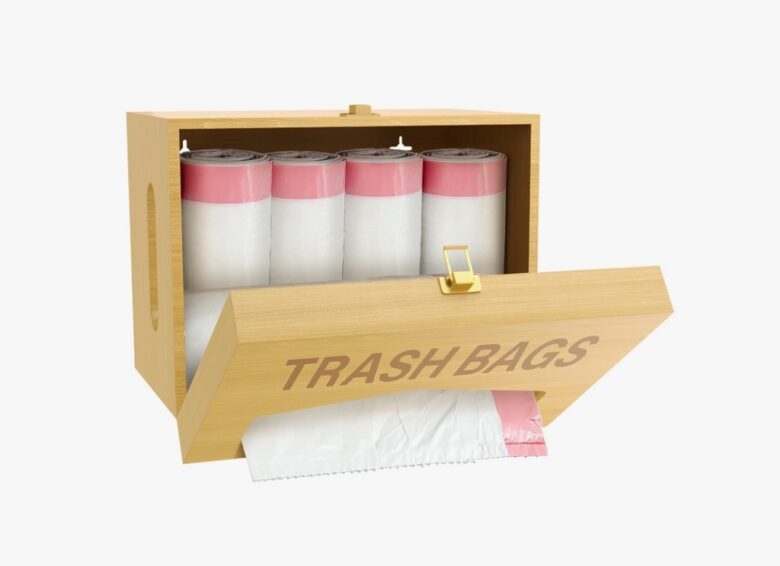
A trash bag roll dispenser is exactly what it sounds like – a clever storage solution designed to hold rolled-up bags and dispense them one at a time. Think of it like a tissue box, but for your bin liners and shopping bags. These handy devices come in various shapes and sizes, from simple fabric tubes to sleek plastic containers.
So how does a roll dispenser actually work? The concept is beautifully straightforward. You load your bags (either on a roll or individually folded) into the container, and they feed through an opening at the bottom. When you pull one bag out, the next one moves into position. It’s smooth, efficient, and eliminates that frustrating digging through piles of crumpled plastic.
In Australia, you’ll find several types of dispensers available. Wall-mounted options are fantastic for freeing up drawer space, while under-sink models keep things hidden away. There are also countertop versions for easy access and portable dispensers perfect for caravans or camping trips. Each type has its perks, so consider your space and how often you use bags before choosing.
How to Store Plastic Shopping Bags Properly
Understanding how to store plastic shopping bags correctly can genuinely extend their lifespan. When bags are crammed into a drawer or stuffed haphazardly under the sink, they develop creases and weak spots. Over time, these weakened areas become tears waiting to happen – usually at the worst possible moment.
Common storage mistakes include exposing bags to heat or direct sunlight, which breaks down the plastic. Storing damp bags is another no-no, as moisture encourages mould and makes plastic sticky. Many people also overload their storage areas, crushing bags at the bottom and making them impossible to retrieve without pulling out half a dozen others.
The best locations for your dispenser depend on your home layout. Near the bin makes perfect sense for quick bag changes. Inside a pantry door works brilliantly if you prefer things out of sight. The laundry is another popular spot, especially if you use bags for dirty clothes or pet waste. Wherever you choose, ensure it’s dry, cool, and easily accessible.
How to Fold Plastic Bags with Handles
Mastering how to fold plastic bags with handles transforms your storage game entirely. Start by laying your bag flat and smoothing out any wrinkles. Fold it in half lengthways, then fold again so you have a long, narrow strip. From here, you’ve got options.
The triangle fold method is a classic favourite. Beginning at the bottom of your strip, fold one corner up to create a triangle. Keep folding triangles upward, like folding a flag, until you reach the handles. Tuck the handles into the final fold, and you’ve got a neat, compact triangle that stores beautifully and won’t unravel.
If you’re wondering how to fold plastic bags to save space using the roll method, it’s equally simple. Take your flattened strip and roll it tightly from bottom to top. Wrap the handles around the roll to secure it. This method works particularly well with dispensers, as rolled bags feed through smoothly and dispense one at a time without tangling.
How to Fold Plastic Bags Without Handles
Learning how to fold plastic bags without handles requires a slightly different approach, but it’s just as straightforward. Since there are no handles to tuck in or wrap around, you’ll need to rely on tight folds to keep everything secure.
The quick flat-fold method works wonderfully for thin bags. Lay the bag flat, smooth it out, and fold it into quarters. Then fold those quarters into thirds. You’ll end up with a small, flat rectangle that stacks neatly in drawers or dispensers. This method is particularly quick once you get the hang of it.
For folding plastic bags to dispense one at a time, try this trick: fold each bag as described above, then slightly overlap them as you load your dispenser. Place the corner of one bag over the edge of the next. When you pull the first bag out, it nudges the second one into position. It’s a simple system that makes a real difference to your daily routine.


Maximising Space: Clever Storage Solutions
Figuring out how to fold plastic bags to save space becomes essential in small kitchens, which many Australian apartments feature. Every centimetre counts when you’re working with limited storage. The triangle fold is your best friend here, as it creates the most compact shape possible.
Combining folded bags with a roll dispenser is a smart move. Pre-fold your bags using your preferred method, then load them into the dispenser in order of size. Keep smaller bags at the front for quick jobs and larger ones towards the back. This organised approach means you’ll always grab the right size without searching.
Wall-mounted dispensers suit tight spaces brilliantly, as they use vertical space that often goes to waste. Mount one inside a cupboard door or on the side of your fridge. Drawer dispensers, on the other hand, work well if you’ve got spare drawer space and prefer hidden storage. Consider your habits – if you change bins frequently, wall-mounted near your bin is ideal. If you batch your bag-folding sessions, a drawer system might suit better.
Maintaining Your Trash Bag Roll Dispenser
Keeping your dispenser clean extends its life and keeps things hygienic. Wipe down plastic dispensers with a damp cloth weekly and wash fabric ones monthly in the machine. Remove all bags first and check for any stuck-on residue or debris that might snag future bags.
Knowing when to replace your dispenser saves frustration. If the dispensing hole becomes stretched or torn, bags won’t feed through properly. Fabric dispensers that have lost their shape won’t hold bags securely. Generally, a quality dispenser should last several years with proper care.
Troubleshooting common issues is straightforward. If bags keep tangling, you’ve probably loaded them too loosely – refold and pack them more tightly. If bags tear when dispensing, the opening might be too small or have rough edges. Sand down any sharp spots on plastic dispensers. If bags won’t dispense at all, you’ve likely overfilled the container – remove a few and try again.
Eco-Friendly Considerations for Australian Households
Reducing plastic bag waste through reuse is something most Australian families already do to some extent. Those shopping bags make excellent bin liners, pet waste bags, and storage solutions for everything from wet swimmers to muddy shoes. A good dispenser system encourages reuse by making bags accessible and organised.
Alternatives to single-use bags are worth considering too. Reusable produce bags, beeswax wraps, and silicone storage bags reduce your plastic footprint significantly. For bins, compostable liners are increasingly available at Australian supermarkets and work well in most dispensers designed for flexible bags.
Recycling options available in Australia have expanded considerably. RED cycle bins at Coles and Woolworths accept soft plastics, including shopping bags. Some councils now offer soft plastic collection too. Whatever bags you can’t reuse, make sure they’re recycled properly rather than ending up in landfill.
Frequently Asked Questions
How do I stop bags from tangling in the dispenser?
The secret is in the folding and loading. Ensure each bag is folded tightly and consistently. Load them with a slight overlap so each bag naturally pulls the next into position. Avoid mixing different folding methods in the same dispenser, as this creates snag points.
Can I Use Any Bag Type with A Roll Dispenser?
Most dispensers handle standard shopping bags and bin liners without trouble. However, very thick bags or those with unusual shapes might not feed smoothly. Check your dispenser’s opening size and test with a few bags before loading it fully.
What’s The Best Way to Organise Different Bag Sizes?
Use separate dispensers for significantly different sizes or load your single dispenser strategically. Place small bags at the front for quick access, medium bags in the middle, and large bags at the back. Some people label their dispensers to make grabbing the right size even easier.
Efficient Dispenser Use: Your Key Takeaways
Getting the most from your trash bag roll dispenser comes down to a few simple practices. Proper folding techniques – whether triangle, roll, or flat-fold – make all the difference to how smoothly your system works. Taking a few minutes each week to fold and load bags properly pays off in convenience every single day.
Storage location matters just as much as the dispenser itself. Choose a spot that’s accessible, dry, and suits your household’s routine. Whether wall-mounted, drawer-based, or countertop, the best dispenser is one you’ll actually use consistently. Don’t forget regular maintenance either – a quick wipe-down keeps things fresh and functioning.
Finally, remember that efficient bag storage isn’t just about convenience – it’s a small step toward a more organised, sustainable home. By reusing bags effectively and recycling what you can’t, you’re doing your bit for the environment while keeping your kitchen clutter-free. Now go forth and fold those bags like a pro!


