
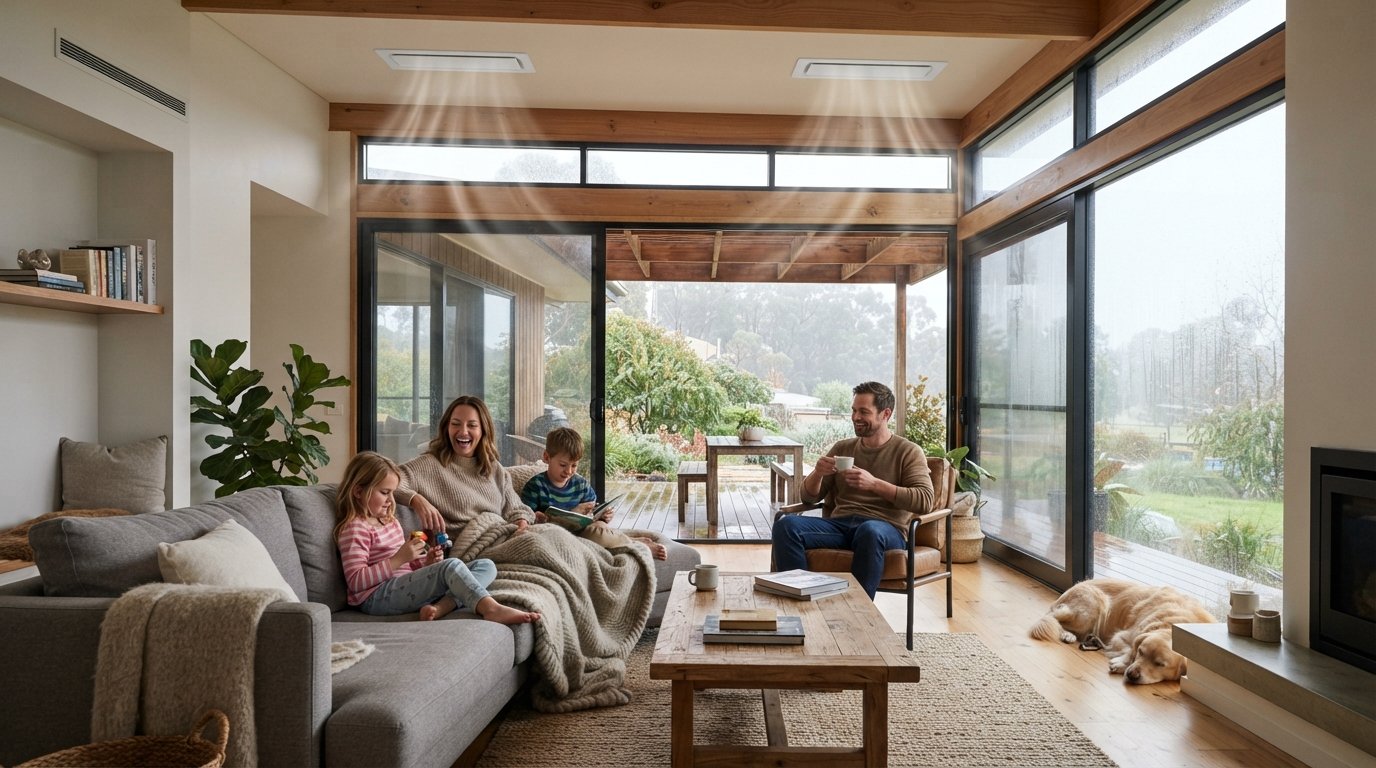
Air conditioning is a must‑have for many Australian homes, especially during the hot summer months in the north and the milder winters in the south. While keeping your indoor temperature comfortable, you also want to keep your energy bill low. This guide walks you through practical ways to save energy, understand local rules, choose the right system, and keep it running efficiently. All the advice is written for Australian readers, so you’ll see references to local climate, regulations, and common brands you’ll find in the market.
Why Energy‑Efficient Air Conditioning Matters in Australia
Australia’s climate varies from tropical in the north to temperate in the south, but most regions experience warm days that push households to rely on air conditioning. Because electricity rates differ by state and can be high during peak demand, an energy‑efficient system can make a big difference to your monthly bill. Moreover, the government encourages greener choices through rebates and standards, so a smart air conditioning setup not only saves money but also helps the environment.
Understanding the Main Types of Air Conditioning
Split‑System Air Conditioning
A split‑system has an indoor unit that blows cool air and an outdoor compressor. It is the most common choice for Australian homes because it works well in both hot and mild climates. Look for units with a high Seasonal Energy Efficiency Ratio (SEER) – the higher the SEER, the less electricity it uses.
Reverse‑Cycle (Heat Pump) Air Conditioning
Heat pumps can cool in summer and heat in winter, making them a year‑round solution. In cooler states such as Tasmania and Victoria, a reverse‑cycle system can replace a separate heater, cutting down on overall energy consumption.
Ducted Air Conditioning
Ducted systems distribute air through a network of ducts hidden in ceilings or walls. They are popular in larger homes and new builds. When properly sealed and insulated, ducted air conditioning can be very efficient, but poor installation can lead to energy loss.
Portable and Window Units
These are useful for renters or for cooling a single room. They are generally less efficient than split‑systems, but they can be a low‑cost solution for occasional use. Choose models with an Energy Star rating to minimise electricity use.

Key Factors That Influence Energy Consumption
- Size of the unit: An oversized unit cycles on and off, wasting energy. An undersized unit works harder, also increasing usage.
- Insulation and sealing: Good wall, roof, and window insulation keeps the cool air inside longer.
- Thermostat settings: Setting the thermostat a few degrees higher in summer can cut energy use dramatically.
- Maintenance: Dirty filters and coils reduce efficiency and increase power draw.
- Usage patterns: Running the system only when needed, using fans, and turning it off when you leave the house saves money.
Australian Regulations and Standards
Energy Efficiency Regulations
All air conditioners sold in Australia must meet the Minimum Energy Performance Standards (MEPS) set by the Australian Government. These standards are updated regularly, so newer models are generally more efficient than older ones. When buying, check the Energy Rating label – a rating of 4 stars or higher is a good baseline.
State‑Specific Incentives
Different states offer rebates for installing high‑efficiency air conditioning. For example:
- New South Wales – Energy Saver Programme for eligible households.
- Victoria – Solar Power and Energy Efficient Appliance Rebate.
- Queensland – Home Energy Efficiency Scheme for low‑income families.
- South Australia – Energy Efficient Appliance Rebate for heat pumps.
Check your local council website for the latest offers. Many rebates require a qualified installer and proof of purchase.
Installation Standards
The Australian Standard AS/NZS 3666 covers ventilation and air‑conditioning installation. Certified installers must follow these guidelines to ensure safe operation, proper refrigerant handling, and optimal performance. Always ask for the installer’s licence number and proof of compliance.
Choosing the Right Provider in Australia
When selecting a company to supply and install your air conditioning, consider the following factors:
- Local experience: Providers who have worked in your state understand the climate and regulatory nuances.
- Warranty and service contracts: Look for at least a 5‑year warranty on the unit and a separate warranty on installation.
- Transparent pricing: A detailed quote that separates equipment cost, labour, and any additional fees helps you compare offers.
- Customer reviews: Check Google, ProductReview.com.au, and local forums for real‑world feedback.
- Energy‑saving advice: Good installers will suggest the right size and placement to maximise efficiency.
Some well‑known national chains include Origin Energy, Bunnings, and The Cooling Company, but many regional specialists often provide more personalized service and lower travel costs.
Practical Ways to Reduce Your Air Conditioning Energy Bills
1. Proper Sizing and Placement
A professional heat calculation (Manual J) determines the exact BTU requirement for each room. Install indoor units away from direct sunlight, ovens, and other heat sources to avoid unnecessary load.
2. Use a Smart Thermostat
Smart thermostats learn your schedule and can automatically adjust temperature settings. They also let you control the system remotely via a phone app, preventing the unit from running when you’re not home.
3. Optimize Ventilation
During cooler evenings, open windows and turn off the air conditioner to let fresh air in. Use ceiling fans to circulate air, allowing you to raise the thermostat a few degrees without sacrificing comfort.
4. Keep Filters Clean
Dirty filters restrict airflow, forcing the compressor to work harder. Clean or replace filters every 1–2 months, especially during peak summer use.
5. Seal Ducts and Gaps
Leaky ducts can lose up to 30% of conditioned air. Use duct sealant or hire a professional to test and seal any gaps. Also, check doors and windows for drafts and use weather‑stripping where needed.
6. Take Advantage of Off‑Peak Rates
Some electricity retailers offer cheaper rates during off‑peak hours (usually overnight). If your system has a timer, schedule cooling to start just before you wake up, reducing the need for continuous operation.
7. Regular Maintenance Checks
Schedule a professional service at least once a year. Technicians will clean coils, check refrigerant levels, and verify that the system meets the Australian Standard AS/NZS 3666.
Common Mistakes That Increase Energy Costs
- Running the system 24/7: Continuous operation wastes electricity. Use timers and smart controls.
- Ignoring filter cleaning: A clogged filter can raise electricity use by up to 15%.
- Choosing the cheapest unit: Low‑priced models often have lower SEER ratings and higher long‑term costs.
- Improper installation: Poorly sealed ducts or incorrect refrigerant charge reduce efficiency.
- Not using natural ventilation: Opening windows when outdoor temperatures are lower can cut cooling needs.
Conclusion: Your Path to a Successful air conditioning in Australia
Investing in the right air conditioning system and keeping it well maintained can dramatically lower your energy bills while keeping your home comfortable year‑round. Remember to choose a correctly sized unit, look for high SEER ratings, and follow local regulations and rebate programs. Regular cleaning, smart thermostat use, and sealing ducts will keep the system efficient. Finally, work with a licensed, locally experienced installer to ensure compliance and protect your warranty. By following these steps, you’ll enjoy cool indoor spaces without the shock of high electricity costs.
