
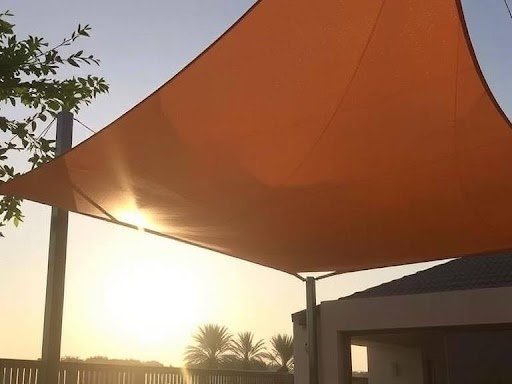
When you’re looking for Custom made shade sails To protect a backyard pool area or patio the answer lies in a solution that fits the exact shape size and style you need. Below we’ll walk through everything from fabric performance to installation quirks with a focus on Australian conditions and local suppliers.
Why Go Custom? Understanding the Real Benefits
Off‑the‑shelf sails are cheap but they rarely match the angles of a Sydney balcony or the wide span of a Brisbane pool deck. Custom made shade sails Let you maximise coverage while keeping wind uplift under control.
From what I’ve seen, a properly tensioned custom sail can cut indoor heat gain by up to 30 % on a hot summer day — That means less reliance on air‑conditioning & a more comfortable outdoor lounge. And the visual punch is huge – a colour that matches your home’s palette makes the whole yard feel cohesive.
- Exact fit for irregular rooflines or pergola posts.
- Optimised tension to meet local wind‑load standards.
- Choice of fabric that balances UV protection & breathability.
Fabric Choices – What Really Matters Down Under
Australian sun is fierce, so UV resistance is non‑negotiable. The market offers three main fabric families: PVC‑coated polyester, HDPE (high‑density polyethylene), and solution‑dyed acrylic. Each has a different UV‑fade rating, waterproofing level, and wind‑load capacity.
| Fabric | UV Protection | Waterproof | Wind Load (kPa) |
|---|---|---|---|
| PVC‑coated polyester | UPF 50+ | Fully waterproof | 1.5‑2.0 |
| HDPE | UPF 40‑45 | Water‑resistant drains quickly | 2.0‑2.5 |
| Solution‑dyed acrylic | UPF 30‑35 | Water‑repellent | 1.0‑1.5 |
In my experience, PVC‑coated polyester is the go‑to for a poolside in Perth where humidity is high & you want a completely waterproof barrier. For a breezy balcony in Melbourne’s suburbs, HDPE’s higher wind‑load rating makes it the safer pick. And if you’re after a softer look for a garden nook in Adelaide, acrylic works well, though you’ll need to accept a little more water penetration.
Design & Engineering – Getting the Shape Right
Custom sails can be triangles, squares, rectangles, or even free‑form polygons. The key is to calculate the right tension and edge‑to‑edge distance to prevent flapping in gusts. Most installers use a simple spreadsheet, but a few Australian manufacturers now offer an online design tool that visualises the sail in 3‑D.
What typically happens is you start with a site survey note the exact height of each anchor point and then feed those numbers into the calculator — The tool spits out a suggested fabric width seam placement and hardware size. And you can tweak the colour or add a branding logo before the order goes out.
- Measure from each anchor point to the centre of the sail.
- Include a 10 % extra margin for seam allowance.
- Check the local council’s wind‑speed guidelines – most coastal suburbs in Queensland limit sails to 2.5 kPa.
Installation & Hardware – What You Need to Know
When you hire a Custom shade sail installer in Sydney, they’ll bring tensioning turnbuckles, stainless‑steel eye bolts, and a set of colours. The hardware choice matters: marine‑grade stainless steel resists corrosion in coastal towns like Manly, while galvanized steel is fine for inland Brisbane suburbs.
And don’t forget the ground anchors if you’re mounting to a deck. A 12 mm concrete anchor can hold a 12 m² sail under 2 kPa wind pressure. For a larger 30 m² sail over a pool in Gold Coast, you’ll need a 16 mm anchor with a reinforced steel plate.
- Use a torque wrench to tighten bolts to 12‑15 Nm.
- Check tension after the first rain – fabric settles.
- Install a wind‑sensor if you want automatic retraction during storms.
Environmental Impact & Sustainability
Australia’s push for greener building means many manufacturers now source recycled PVC or HDPE — The carbon footprint of a 20 m² sail made from recycled material is roughly 30 % lower than a virgin‑polymer version.
And the end‑of‑life option is easy – most fabrics can be shredded and repurposed into garden mulch or reclaimed for other outdoor products. A few Perth suppliers even offer a take‑back program, collecting old sails for recycling.
Maintenance & Longevity – Keeping Your Sail Fresh
Regular upkeep extends the life of a Custom made shade sail By years. A quick rinse with a garden hose removes dust & salt, while a mild detergent helps with stubborn bird droppings. Avoid pressure washers – they can stress the seams.
And schedule a tension check twice a year, especially after the wet season in Queensland or the windy months in Tasmania. A small adjustment to the turnbuckles can prevent fabric creep and keep the sail taut.
- Clean with a soft brush and soapy water.
- Inspect seams for fraying each spring.
- Re‑tension if the sail sags more than 2 cm.
Case Study: A Brisbane Backyard Transformation
Jane lives in the suburb of Carindale, Brisbane — Her family wanted a shaded play area for the kids and a cool spot for weekend barbecues. She contacted a local Custom shade sail installer Who suggested a 9‑point free‑form sail covering the patio and the pool deck.
The installer measured the existing pergola posts, the pool fence, and the garden wall, then used an online design tool to visualise the final look. They chose a UV‑resistant PVC‑coated polyester in a muted teal to match the house’s exterior. After a two‑day installation, the sail was tensioned & fitted with stainless‑steel turnbuckles.
Within a week, the temperature under the sail dropped by about 5 °C compared with the open patio. The kids could play without worrying about sunburn, and the family reported a noticeable reduction in the pool’s chemical usage because the water stayed cooler. Six months later, the sail remained bright, and the hardware showed no signs of corrosion despite the salty sea breezes from nearby Moreton Bay.
Supplier & Tool Comparison – What to Look For…
Choosing the right supplier can be a make‑breaker. Here’s a quick rundown of three notable Australian providers:
- SunShade Australia – Based in Sydney, offers a 3‑D visualiser and a 10‑year warranty on hardware.
- EcoSail WA – Perth‑focused uses 100 % recycled HDPE and provides a take‑back recycling service.
- Queensland Shade Solutions – Strong presence in Brisbane integrates wind‑sensor automation with smart home hubs.
And for those who like to DIY, the “SailCalc” app from a Melbourne startup lets you input anchor points & instantly get a cut‑list and tension recommendations.
Advanced Options – Smart and Hybrid Solutions
Modern installations can go beyond static fabric. Motorised retractable systems let you pull the sail back at the touch of a button perfect for a café patio in Melbourne’s CBD. Smart tension sensors alert you on your phone if the sail is under‑ or over‑tensioned helping avoid damage during storms.
Hybrid setups combine a shade sail with a pergola roof, allowing you to enjoy full shade on sunny days and open sky when the weather clears. In Adelaide’s Hills, a homeowner paired a sail with a solar panel array, using the shade to keep the panels cooler & more efficient.
Legal & Insurance Considerations
While we’re not quoting any code numbers it’s wise to check with your local council before fixing anchors. Coastal areas like fremantle you may need a simple development application for large sails. And if you’re installing for a commercial venue talk to your insurer about liability coverage – most policies require proof of proper tensioning and certified hardware.
Seasonal Storage & Off‑Season Care
When winter rolls in, especially in Tasmania, you might want to roll the sail and store it in a dry garage, and use a breathable fabric bag to avoid moisture buildup. And before re‑installing in spring, give the sail a quick wash and check the hardware for rust.
Conclusion
Custom made shade sails give Australian homeowners and businesses a flexible, durable, and stylish way to beat the sun and manage heat. From choosing the right fabric for a Perth pool to using a 3‑D design tool for a Melbourne balcony, the options are plentiful. By paying attention to engineering, hardware, and maintenance, you’ll get a shade solution that lasts for years, reduces energy use, and adds real value to your outdoor space. So, if you’re ready to upgrade your patio, backyard, or commercial terrace, start with a measured site survey, pick a reputable local installer, & let a custom sail transform your outdoor living.


