
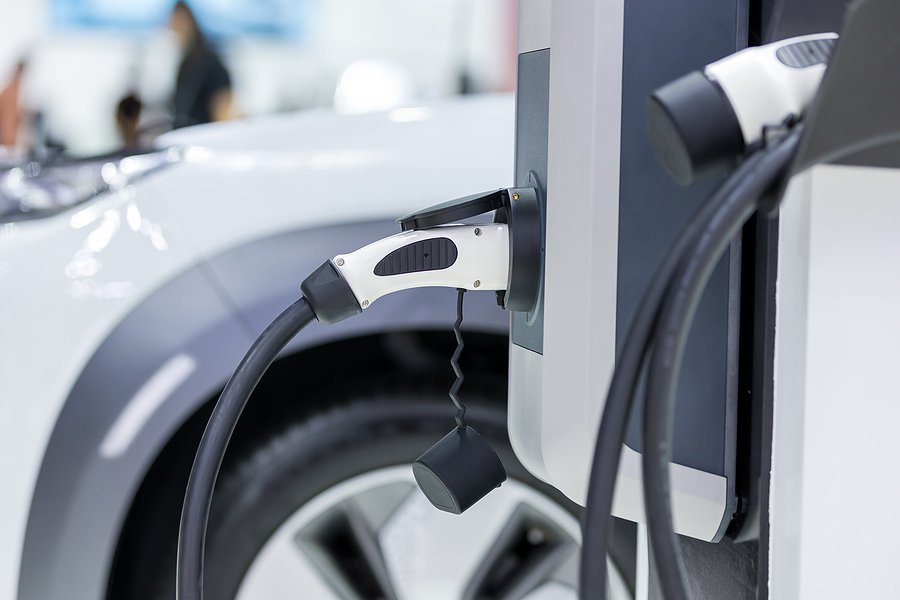
Commercial electric vehicle charging is the backbone of Australia’s sustainable growth. Ah, it lets businesses cut emissions while keeping fleets moving. In this guide we cover charger types, site planning, grid rules, solar integration and financing options that matter for Australian operators. Practical steps for Sydney, Melbourne, Brisbane and Perth and a look at emerging tech that will keep your set‑up future‑proof.
Understanding the Australian Market for Commercial Electric Vehicle Charging
From what I’ve seen the demand for commercial electric vehicle charging has surged in high‑traffic precincts like the Sydney CBD and Melbourne’s Docklands. Companies are adding chargers to attract customers and retain staff who drive EVs. The market is driven by state incentives and a growing fleet of electric delivery vans, especially in Queensland’s logistics hubs. Commercial electric vehicle charging is now a strategic asset for any business looking to stay competitive.
In my experience the key to success is aligning charger capacity with peak usage patterns. A typical retail centre in Perth sees a 30‑minute dwell time for shoppers while a warehouse in Adelaide may need fast charge points for a 15‑minute turnaround. Planning around these dwell times maximises asset turnover and reduces idle time for your fleet. Commercial electric vehicle charging supports both customer convenience and operational efficiency.
Choosing the Right Charger Type
What typically happens is businesses start with Level 2 AC units and later add Level 3 DC fast chargers as demand grows. Level 2 chargers deliver 7‑22 kW and are ideal for overnight parking or long‑stay locations… Level 3 DC fast chargers can push 50‑350 kW and refill a van in under 30 minutes, making them perfect for depot turn‑around. Commercial electric vehicle charging solutions must match the vehicle mix on site, whether it’s a small car fleet or heavy‑duty trucks.
I’ve noticed that many operators choose chargers from brands like ABB, Schneider Electric and ChargePoint because they offer OCPP compatibility and robust warranty terms. These manufacturers provide modular hardware that can be upgraded as standards evolve. Commercial electric vehicle charging hardware that supports ISO 15118 will enable plug‑and‑charge in the near future.
Site Assessment and Load Management
Site‑assessment checklists start with a review of existing three‑phase supply capacity and potential upgrade costs in many Queensland industrial parks the transformer is already sized for high‑load equipment, but you still need a load‑balancing strategy to avoid demand‑charge penalties. Commercial electric vehicle charging installations often use smart‑energy management systems that shift charging to off‑peak windows.
And the thing is that a well‑designed load‑management plan can defer expensive network upgrades. Using a combination of on‑site storage and demand‑response participation, businesses can shave peak demand by up to 40 %. Commercial electric vehicle charging therefore becomes a lever for both sustainability and cost control.
Integrating Solar and Storage
From what I’ve seen solar‑plus‑storage setups are becoming common on large commercial roofs in South Australia and Victoria. A 150-kW solar array paired with a 500-kWh battery can supply a significant portion of a charger’s energy, especially during daylight. Commercial electric vehicle charging sites that use this combo can claim a higher renewable‑energy share in their ESG reports.
In my experience the key to a successful integration is a power‑electronics controller that can handle both AC & DC loads while communicating with the building management system. This ensures that excess solar is stored instead of exported at low tariffs. Commercial electric vehicle charging therefore benefits from lower grid dependency and smoother peak‑shaving.

Regulatory Compliance and Safety
Australian standards such as wiring rules and the Building Code of Australia dictate the installation of commercial electric vehicle charging equipment. Installers must certify that all equipment is rated for the correct voltage and that cable routes meet fire‑code requirements. Commercial electric vehicle charging projects also need to comply with AS 1428.1 for accessibility, ensuring that payment terminals are reachable for all users.
And the thing is that many local councils now require a fire‑safety plan that includes automatic shut‑off and thermal monitoring using chargers with built‑in fault detection can simplify compliance & protect the premises. Commercial electric vehicle charging therefore adds a layer of safety that reassures both staff and customers.
Financing, Grants & Business Benefits
State governments across Australia offer rebates & low‑interest loans for commercial electric vehicle charging infrastructure. In New South Wales a grant can cover up to 30 % of the project cost when you meet certain sustainability criteria. Commercial electric vehicle charging projects that incorporate renewable energy are often eligible for additional incentives.
And the thing is that many businesses see a boost in brand perception & employee satisfaction by installing chargers. A survey of Melbourne firms showed a 12 % increase in staff retention after adding EV charging. Commercial electric vehicle charging also attracts customers who prefer green venues, driving foot traffic and sales.
Future‑Proofing and Emerging Technologies
Looking ahead the rollout of V2G (vehicle‑to‑grid) capabilities will let commercial electric vehicle charging stations feed power back to the grid during peak periods. Early adopters can sign up for virtual‑power‑plant programs that pay for each kilowatt‑hour exported. Commercial electric vehicle charging equipped with bidirectional chargers will get new revenue streams.
And the thing is that the industry is moving toward standardized data exchange protocols like ISO 15118 and Open Charge Point Protocol (OCPP) 2.0. Choosing equipment that supports these standards now avoids costly retrofits later. Commercial electric vehicle charging therefore stays compatible with the next generation of smart‑grid services.
Conclusion
In summary, commercial electric vehicle charging is a cornerstone of Australia’s transition to a low‑carbon economy. From careful site assessment to smart‑energy integration, businesses can create resilient, future‑ready charging networks. By aligning with local regulations, leveraging renewable energy and choosing scalable hardware, operators can deliver reliable service while enhancing their sustainability profile. The roadmap to a greener commercial landscape is clear and the time to act is now.
