
Ever wondered why some wood heaters seem to last forever while others conk out after just a few seasons? Have you noticed your heater isn’t performing quite like it used to? Or perhaps you’re simply looking for ways to get the most bang for your buck from your investment?
If you’ve got a wood heater keeping your home cosy during those chilly Australian winters, you’re probably aware that these beauties need a bit of TLC to keep running at their best. Regular fireplace maintenance isn’t just about keeping things clean it’s about safety, efficiency, and making sure your heater serves you well for years to come. A well-maintained wood burner burns cleaner, uses less firewood, and keeps your family safe from potential hazards like chimney fires.
In this guide, we’ll walk you through everything you need to know about keeping your wood heater in tip-top shape. From understanding your system’s key components to sourcing the right fireplace tools from Bunnings, we’ve got you covered. You’ll learn how to clean your chimney, choose clean burning firewood, and recognise when it’s time to call in the professionals for wood heater repairs. Let’s get stuck into it!
.jpg)

Understanding Your Wood Heater System
Before you can properly maintain your wood heater, it’s worth getting familiar with how it all works. Your system has several key components that work together to keep your home warm and safe.
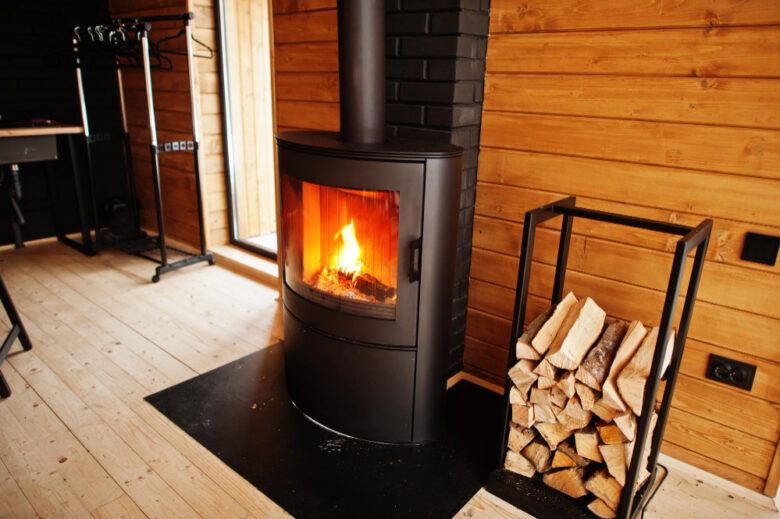
The firebox is where the magic happens it’s the chamber where you burn your wood. The flue (or chimney) carries smoke and gases safely out of your home. Then there are baffle plates, which sit above the firebox and help direct heat and gases for more efficient burning. Understanding these wood heater flue parts makes maintenance much simpler.
You’ve probably heard the term “clean air wood heater” thrown around. These units are designed to meet strict Australian emission standards, burning more efficiently and producing less pollution. They’re better for the environment and typically require less wood to generate the same amount of heat. If you own one, you’ll want to source clean air wood heater spare parts when replacements are needed to maintain that efficiency.
How to Clean Your Chimney: A Step-by-Step Guide?
So, how to clean chimney properly? First, you’ll need the right gear. A chimney brush sized for your flue, extension rods, a drop cloth, protective eyewear, gloves, and a dust mask are essential. You can find a quality chimney cleaner at Bunnings or look into chimney sweep Bunnings options for DIY kits.
For chimney flue cleaning, start by laying down drop cloths to protect your flooring. Remove any debris from the firebox, then work your brush up through the flue from the bottom (or down from the roof if accessible). Use steady, scrubbing motions to dislodge creosote and soot buildup. Repeat until the brush moves freely.
Now, should you tackle this yourself or book professional chimney sweep services? DIY works well for routine wood heater cleaning if you’re comfortable on a ladder and your flue is relatively straight. However, professionals bring expertise, proper equipment, and can spot potential issues you might miss. Most experts recommend cleaning your flue at least once a year—ideally before winter kicks in. If you burn a lot of wood, twice yearly might be necessary.
Essential Fireplace Tools for Maintenance
Having the right kit makes fireplace cleaning and maintenance far easier. Let’s talk about the must-haves you can pick up from your local hardware store.
Fireplace tools Bunnings stocks include the basics like a fire poker Bunnings option for rearranging logs, along with ash shovels, brushes, and tongs. A quality Bunnings wood burner accessory set typically includes these essentials in matching designs. Don’t forget a sturdy ash bucket with a lid—hot coals can remain dangerous for days.
When comparing Bunnings fireplace tools to alternatives, you’ll find decent quality at reasonable prices. For specialist items like Bunnings flue brushes or specific replacement parts, check both in-store and online. If you own a clean air wood heater, sourcing the correct clean air wood heater spare parts is crucial. Genuine parts maintain your heater’s efficiency and keep it compliant with emission standards. Check with your heater’s manufacturer or authorised dealers for specific components.

Seasonal Wood Heater Cleaning Routine
A solid seasonal approach to wood heater cleaning keeps everything running smoothly year-round. Here’s how to break it down.
Pre-winter preparation checklist:
- Inspect the firebox for cracks or damage
- Check door seals and gaskets
- Clean the flue thoroughly
- Test the damper operation
- Stock up on clean burning firewood
Mid-season, give your heater a quick once-over every few weeks. Empty the ash pan regularly (a thin layer of ash actually helps combustion, so don’t go overboard). Check the glass for buildup and clean it with appropriate products. Inspect the baffle plates for warping or damage.
When winter wraps up, it’s time for end-of-season shutdown. Give everything a thorough clean while it’s still fresh in your mind. Remove all ash, clean the flue one final time, and leave the damper slightly open to allow airflow and prevent moisture buildup. Consider covering the chimney cap to keep out birds and debris during the warmer months.
Choosing Clean Burning Firewood for Optimal Performance
The fuel you use makes a massive difference to your heater’s performance. Clean burning firewood isn’t just a marketing term it genuinely affects how well your system operates.
What makes firewood “clean burning”? Moisture content is the big one. Properly seasoned wood should have a moisture content below 20%. This means it’s been dried for at least 12 months, preferably longer. Wet or green wood produces more smoke, creates more creosote buildup in your flue, and generates less heat. You’re essentially wasting money and creating maintenance headaches.
For Australian wood heaters, hardwoods like ironbark, red gum, and yellow box are excellent choices. They burn hotter and longer than softwoods. Avoid treated timber, painted wood, or anything that’s been chemically processed these release toxic fumes and can damage your heater.
Poor-quality wood leads to excessive creosote buildup, which increases fire risk and necessitates more frequent chimney flue cleaning. It also causes incomplete combustion, reducing efficiency and potentially damaging internal components. Invest in good firewood, and your heater will thank you.
Signs Your Wood Heater Needs Professional Attention
Sometimes DIY maintenance isn’t enough. Knowing when to search for “wood burning stove servicing near me” can save you from costly problems down the track.
Watch out for these warning signs that indicate wood heater repairs might be needed:
- Difficulty controlling the burn rate
- Smoke entering the room instead of going up the flue
- Visible cracks in the firebox or door
- Unusual odours during operation
- Significantly reduced heat output
A wood fireplace inspection by a qualified technician covers more than just cleaning. They’ll check structural integrity, assess the flue condition, test door seals, and examine all safety components. Most inspections take an hour or two and provide peace of mind that your system is safe and efficient.
Don’t ignore small issues, hoping they’ll sort themselves out. A minor crack can become a major problem, and a slightly loose door seal can significantly impact efficiency. When in doubt, get a professional opinion.
Finding Reliable Wood Burner Repairs and Servicing
When you need “wood stove maintenance near me,” finding the right professional matters. Here’s how to approach it.
Start by asking for recommendations from friends, family, or local community groups. Online reviews can be helpful, but look for patterns rather than individual comments. Check that any technician you consider is licensed and insured this protects both you and them.
Before hiring anyone for wood burning fireplace repair, ask these questions:
- How long have you been servicing wood heaters?
- Are you familiar with my specific brand and model?
- Do you carry common spare parts, or will I need to wait?
- What does your service include?
- Can you provide a written quote?
Cost considerations for wood heater repairs in Australia vary widely depending on the issue. Basic servicing might run $150-$250, while significant repairs could cost considerably more. Factor in the age and value of your heater sometimes replacement makes more financial sense than extensive repairs on an older unit.
.jpg)

Keeping Your Wood Heater Running for Years to Come
Maintaining your wood heater doesn’t have to be overwhelming. With regular attention and the right approach, your heater will provide reliable warmth for many winters ahead.
The key takeaways? Clean your flue at least annually, use properly seasoned clean burning firewood, and don’t skimp on quality fireplace tools. Pay attention to seasonal maintenance routines, and address small issues before they become big problems. Know when to call in professionals for wood burner repairs their expertise can prevent costly damage and keep your family safe.
Your wood heater is an investment in comfort and warmth. Treat it well, and it’ll return the favour. So grab that fire poker, stock up on quality firewood, and enjoy those cosy winter evenings knowing your heater is performing at its best. Stay warm out there!

