
A well-designed outdoor area can add comfort, functionality, and visual appeal to a property. Whether you have a compact backyard, a large garden, a front yard, or a commercial outdoor space, thoughtful landscaping can make better use of the available area.
For homeowners searching for landscaping in Malvern, the process involves much more than planting a few trees or installing new garden beds. A successful landscape design considers the property’s layout, soil, drainage, sunlight, plants, paving, outdoor living areas, and ongoing maintenance requirements.
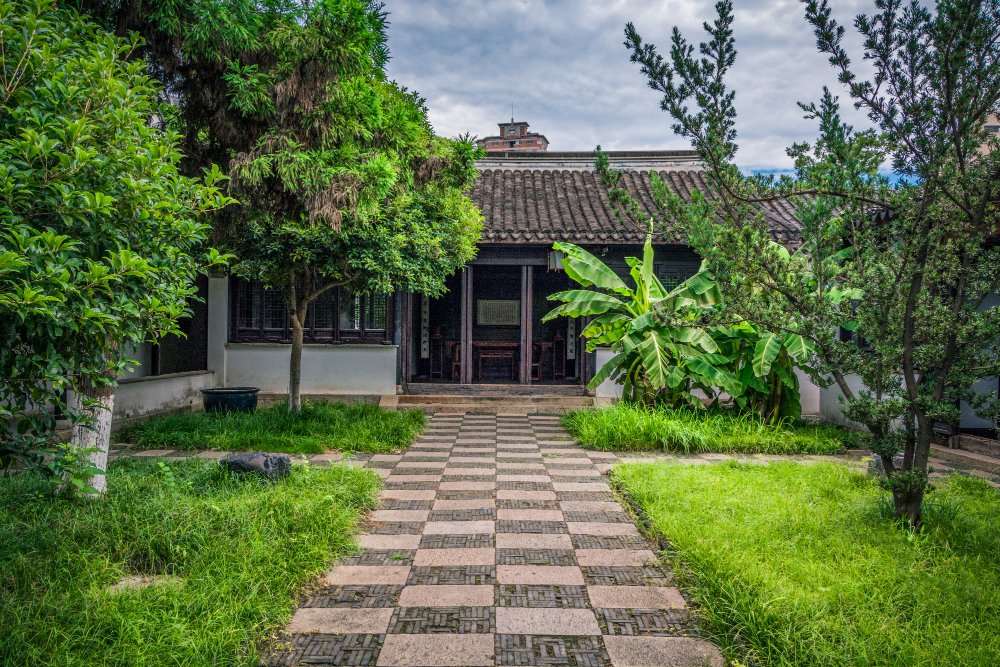
Malvern properties can benefit from landscaping that complements existing architecture while creating practical outdoor areas for relaxation, entertaining, and everyday use. With careful planning and professional workmanship, an ordinary outdoor area can become a functional and attractive extension of the property.
What Is Landscaping Malvern?
Landscaping Malvern refers to the planning, design, construction, and maintenance of outdoor spaces in and around Malvern.
Landscaping projects can include a combination of soft landscaping and hard landscaping.
Common landscaping services may include:
- Garden design
- Lawn installation
- Garden beds
- Plant selection
- Tree and shrub planting
- Hedging
- Paving
- Retaining walls
- Decking
- Outdoor entertaining areas
- Garden edging
- Irrigation
- Drainage solutions
- Outdoor lighting
- Landscape maintenance
The scope of a project depends on the property’s size, existing garden, budget, and the homeowner’s goals.
Why Consider Landscaping in Malvern?
There are many reasons property owners invest in professional landscaping.
Improve Outdoor Appearance
A thoughtfully designed garden can improve the overall appearance of a property.
Plant selection, paving, garden beds, and lawn areas can be coordinated to create a balanced outdoor environment.
Create Functional Outdoor Areas
Landscaping can turn unused areas into practical spaces.
For example, a backyard could include:
- A lawn for children
- A paved entertaining area
- Garden beds
- Outdoor seating
- Shade areas
- Pathways
The design should reflect how the household intends to use the space.
Improve Privacy
Plants, hedges, screens and strategically positioned trees can help create privacy around outdoor areas.
The right solution depends on the property’s boundaries, neighboring buildings, and available space.
Make Better Use of Available Space
Professional landscaping can help divide a garden into functional zones.
Even smaller yards can benefit from careful planning that avoids overcrowding and unnecessary features.
Planning a Landscaping Malvern Project
Good planning is the foundation of a successful landscaping project.
Assess the Existing Property
Start by assessing the current outdoor space.
Consider:
- Property size
- Garden condition
- Soil quality
- Drainage
- Existing trees
- Sunlight
- Slopes
- Access
- Privacy
- Existing structures
Understanding these factors can help determine which landscaping solutions are practical.
Define Your Goals
Think about what you want from your garden.
Do you want a low-maintenance garden, an entertaining area, more privacy, or additional green space?
Clearly defining your goals can help guide design decisions.
Set a Budget
Landscaping costs can vary significantly depending on the project’s size and materials.
Your budget may need to cover:
- Design
- Site preparation
- Plants
- Soil
- Paving
- Retaining walls
- Irrigation
- Labor
- Drainage
- Lighting
- Garden structures
- Ongoing maintenance
A clear budget can help you prioritize the most important elements.
Landscape Design Ideas for Malvern Homes
Every property is different, so landscaping should be designed around the available space.
Low-Maintenance Gardens
Low-maintenance landscaping can be useful for homeowners who want an attractive garden without spending large amounts of time maintaining it.
Options may include:
- Hardy plants
- Mulching
- Automated irrigation
- Reduced lawn areas
- Slow-growing shrubs
- Appropriate ground covers
Low maintenance does not mean no maintenance. Plants and outdoor features still require appropriate care.
Native Plant Landscaping
Australian native plants can provide an attractive option for gardens and may be suitable for local environmental conditions.
Native plants can also support local biodiversity when selected appropriately.
Before planting, consider soil, sunlight, available space, and the mature size of each plant.
Modern Landscaping
Modern gardens often use clean lines, structured planting, and simple materials.
Popular design elements can include:
- Paved areas
- Feature plants
- Geometric garden beds
- Timber
- Stone
- Minimalist planting
- Outdoor lighting
Traditional Garden Design
Traditional gardens may feature more structured planting, lawns, hedges, and decorative garden elements.
The design can be adapted to complement the architectural style of the property.
Choosing Plants for Landscaping Malvern
Plant selection is one of the most important parts of garden design.
Consider Sunlight.
Some plants require full sun, while others perform better in partial shade.
Observe how sunlight moves across your garden before selecting plants.
Consider Soil Conditions
Different plants perform better in different soil types.
A soil assessment can help determine whether amendments or improved soil preparation are required.
Consider Mature Plant Size
A small plant purchased from a nursery can become much larger over time.
Consider its mature height and width before planting it close to buildings, fences, pathways, or underground services.
Consider Maintenance
Some plants require regular pruning, watering, or care.
Choose plants that match the amount of maintenance you are prepared to undertake.
Hard Landscaping in Malvern
Hard landscaping involves the use of constructed elements such as paving, retaining walls, and pathways.
Paving
Paving can create practical outdoor areas for:
- Patios
- Walkways
- Entertaining areas
- Pool surrounds
- Garden paths
The material should be selected based on appearance, durability, maintenance, and intended use.
Retaining Walls
Retaining walls can help manage changes in ground level and create usable garden areas on sloping properties.
Different materials can be used, including timber, stone, concrete, and masonry products, depending on the design and engineering requirements.
Garden Edging
Garden edging creates a defined separation between lawns, garden beds, and pathways.
It can also help create a cleaner and more structured appearance.
Creating an Outdoor Entertaining Area
An outdoor entertaining area can make a backyard more useful throughout the year.
Depending on the available space, you could incorporate:
- Paving
- Decking
- Outdoor furniture
- Shade structures
- Lighting
- Garden beds
- Outdoor cooking areas
The layout should allow comfortable movement between indoor and outdoor areas.
Lawn Installation and Maintenance
A lawn can provide an open area for recreation and relaxation.
Choosing the Right Lawn
Different grass varieties have different characteristics.
Consider:
- Sun exposure
- Foot traffic
- Maintenance requirements
- Water requirements
- Soil conditions
A landscaping professional can help identify suitable options for the site.
Preparing the Ground
Good soil preparation can help establish healthy turf.
The preparation process may include removing unsuitable material, improving soil, and ensuring appropriate drainage.
Maintaining Your Lawn
Regular mowing, watering, and appropriate fertilization can help maintain a healthy lawn.
The exact maintenance schedule depends on the grass variety and seasonal conditions.
Drainage and Landscaping Malvern
Drainage should be considered during landscape planning.
Poor drainage can result in:
- Waterlogging
- Soil erosion
- Plant problems
- Muddy areas
- Damage to outdoor structures
Assess Water Flow
Before installing paving, garden beds, or retaining walls, consider how rainwater moves across the property.
Landscape design should work with appropriate drainage systems rather than blocking existing water flow.
Improve Problem Areas
If an area regularly collects water, identify the cause before installing new landscaping.
Possible solutions depend on the site’s conditions and may involve grading, drainage systems, soil improvement, or other measures.
Irrigation Systems
An irrigation system can help provide consistent watering to gardens and lawns.
Automated Irrigation
Automated systems can be programmed to deliver water at scheduled times.
This can make garden maintenance more convenient.
Water-Efficient Landscaping
Water-efficient landscaping may include appropriate plant selection, mulch, and efficient irrigation.
The goal is to provide plants with the water they need without unnecessary wastage.
Sustainable Landscaping Ideas
Sustainability can be incorporated into many landscaping projects.
Use Suitable Native Plants
Appropriately selected native plants can be well suited to local conditions and provide habitat for wildlife.
Use Mulch
Mulch can help retain soil moisture, reduce weed growth, and protect soil.
Choose Durable Materials
Using durable materials for pathways, walls, and outdoor structures can reduce the need for frequent replacement.
Reduce Unnecessary Lawn
Large lawn areas can require regular mowing and watering.
Using garden beds, paving, or suitable ground covers in selected areas can reduce lawn maintenance requirements.
Choosing a Landscaping Malvern Professional
Choosing the right landscaping provider can influence the quality and longevity of the finished project.
Review Previous Work
Look at examples of completed landscaping projects to understand the provider’s experience and design style.
Discuss Your Requirements
Explain your goals, budget, preferred style, and expected maintenance level.
Ask About Materials and Plants
Understand which materials and plant varieties will be used and why they are suitable for your property.
Request a Detailed Quote
A detailed quote should outline the scope of work, materials, labor, and any additional services.
This can help avoid confusion about what is included.
Final Thoughts on Landscaping Malvern
Professional landscaping in Malvern can transform an ordinary outdoor area into a practical and attractive extension of your home. From garden design and planting to paving, retaining walls, irrigation, drainage, and outdoor entertaining areas, there are many ways to improve a property’s landscape.
The best landscaping projects begin with careful planning. Assess the existing property, understand the soil and sunlight conditions, define your goals, and establish a realistic budget before starting work.
Plant selection should consider mature size, maintenance requirements, and growing conditions, while hard landscaping should be designed for durability and practical use.