
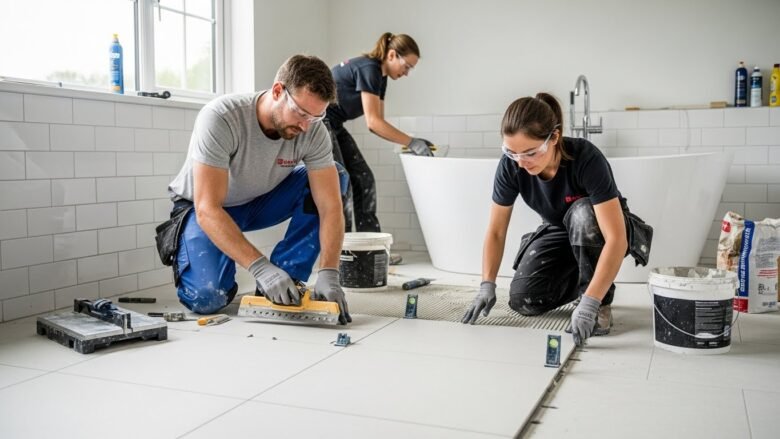
Need a solid floor for a busy lobby? Our Melbourne team of Commercial tilers has fifteen years of hands‑on work and a reputation for on‑time delivery and tough finishes. Most owners skip the prep, can you really ignore a floor check, a moisture test, and a movement survey that could cost you later? A thorough site audit can actually save you both time and cash, and we’ll walk you through design coordination right to the final hand‑over so you stay in the loop. We never cut corners on deadlines, and we’ll keep you posted with photos and updates each step of the way.
Choosing the Right Commercial Tilers for Your Project
Ever walked onto a floor that looks slick but can’t hold a forklift? If the tiler only cares about polish, you’re setting yourself up for costly downtime when heavy equipment rolls over it. A crew that does load‑bearing calculations, selects high‑performance adhesives and follows a strict quality‑control checklist will save you headaches later. In my experience, teams that log everything. From substrate testing to grout sealing. End up with floors that look great and stand up to traffic. So, have you considered a smart joint layout that stops tile lippage in busy corridors?
Ignoring movement joints is a common slip‑up that can turn a fresh floor into a cracked mess. And professional commercial tilers match joint spacing to the building’s structural grid while using flexible sealants that stay put as the structure shifts. Cracking costs a lot, and the repair bill often shows up months after the project wraps up. If you sort those details out early, you’ll avoid the early‑stage failures that usually appear after a few months of heavy use. So, does that sound like a plan for keeping the facility running smoothly?
Key Technical Considerations for Commercial Floor Tile Installation
Large porcelain slabs won’t hold up without a solid mortar bed. If that bed falls under three mm or tops six mm, gaps form and the surface starts to wear unevenly, a problem you’ll see fast in a busy mall. And commercial tilers who trust laser‑guided screeds get a flat floor every time, which keeps the finish even across massive zones. Low‑absorption grout stops colour bleeding in humid interiors, so the hue stays fresh year after year. And you’ll need to ask yourself: which slip rating do Australian standards now require for public‑access floors?
The gap between tiles is just as critical as the tile itself. A two‑mm joint works on small formats, but once you move to big panels you’ll want about three mm to let the floor expand without cracking. Seasoned commercial tilers love polymer‑modified grout because it fights stains, adds flexibility and survives heavy traffic. In a kitchen or café where you’re scrubbing the floor every night, that mix holds the colour longer and looks newer. So, have you ever tried a regular reseal to boost joint life and cut staining, or are you still guessing?
Industry Standards and Regulatory Compliance
Ever wonder what the Aussie building code actually demands for tile jobs? The AS 3958.1 standard together with the National Construction Code spells out everything from substrate prep to adhesive performance and slip‑resistance requirements. So you know exactly what to meet before you start. And commercial tilers who keep up with those rules usually dodge expensive re‑work and get the floor cleared at final inspection. I’ve seen reputable contractors hand over a compliance certificate that lists every material’s test data and the installation method used. And I still ask clients whether a fire‑rated floor covering is needed to satisfy safety rules?
Low‑VOC, hazardous adhesives can feel like a mountain to certify. Getting the right certification for crews on green‑building sites often takes extra paperwork, but it’s worth it when you avoid costly delays. And commercial tilers who hold the proper safety accreditations can better manage risk on site and protect both workers and occupants. A solid safety plan slashes insurance‑claim odds, keeps the timetable intact, and means fewer delays for everyone, so does that sound like a smarter way to keep everything on track?
Sector‑Specific Requirements: Hospitality, Healthcare, Retail
Ever notice how a bustling café wipes a spill? Those places get hammered by nonstop foot traffic, occasional drips, and they still need a surface that holds up after a quick mop and a rush of diners. From what I’ve seen, commercial tilers who recommend glazed porcelain with a high slip rating of R10 or higher deliver floors that stay safe for guests even when wet. A sealed grout system in the kitchen shuts down bacterial growth, letting you meet strict hygiene rules without turning cleaning into a nightmare. So, have you thought about a slip‑resistant finish?
Hospitals can’t afford flashy tiles, can they? They need surfaces that pass fire ratings, resist impacts, and won’t become breeding grounds for germs while staff move heavy equipment around all day. From what I’ve seen, commercial tilers with experience in hospitals often specify vitrified stone that resists impact and can be cleaned with hospital‑grade disinfectants. Those stones cut cross‑contamination risk, keep you inside strict health codes, and stay solid under the weight of gurneys and carts, which patients and staff both notice. Does that sound right for your facility?
Sustainable Materials and Green Building Practices
Looking for a tile that won’t wreck the planet? Recycled porcelain tiles now hit the market, packing up to 30 % post‑consumer waste while still holding up under heavy foot traffic. And commercial tilers who choose low‑VOC adhesives and water‑based sealants can push a project toward Green Star and NABERS credits, which most new builds need. I’ve watched carbon numbers tumble when we add an on‑site waste‑reduction plan. So, do you know how much a sustainable tile choice could boost your building’s energy rating?
Salvaged stone is showing up everywhere. Those rough slabs carry a one‑of‑a‑kind look that screams a circular‑economy story and adds genuine texture to any wall. The thing is, commercial tilers who can tame irregular pieces turn those slabs into striking feature walls that dominate retail interiors. Mix reclaimed stone with today’s quick‑set mortars and you’ll get a timeless, eco‑friendly vibe that feels fresh. And you’ll hand customers a story they’ll linger on; want that buzz?
Project Management and Timeline from Quote to Hand‑over
A commercial tiling job usually rolls out in stages: consult, design, prep, lay, cure, then inspection. And the commercial tilers who hand out a written schedule with milestones keep everyone in the loop and dodge surprise delays. But syncing early with the structural engineer lets you slot movement joints before the adhesive sets, which cuts a lot of later hassle. So, have you thought about ordering high‑quality tiles now to sidestep supply‑chain hiccups?
You’ve got to watch risk, so choose contractors with public liability, workers’ comp and at least five years’ material and workmanship warranties. And commercial tilers who keep a detailed project diary can settle disputes fast and show clear proof if a claim pops up. A post‑installation maintenance plan then protects your cash and keeps the floor performing at peak for years. Sounds like a plan you’d go for?
Future Trends: Digital Tools and Emerging Tile Technologies
BIM is turning commercial tiling upside down, letting designers spin 3‑D layouts and spot clashes before a single brick lands. In my experience, commercial tilers who pull BIM data into their process cut waste and shave up to 15 % off install time. It saves a ton of rework. I rely on laser‑guided layout tools; they lock each tile in place with millimetre accuracy, a real game‑changer for massive atrium mosaics. Ever tried an AR preview of the finished floor before you lock the design?
Self‑cleaning glass with a photocatalytic coating is already stealing the show in busy retail stores. And commercial tilers who keep up can offer these cutting‑edge options, slashing upkeep while giving the brand a fresh vibe. It also cuts your cleaning budget dramatically. Pair those smart tiles with sensor‑driven lighting that reacts to foot traffic, and you get a space that feels alive. That forward‑thinking move puts your property ahead of the design curve, drawing curious eyes.
Conclusion
Finding the right commercial tilers means leaning on folks who get Aussie construction quirks and care about the planet. They’ll rip out the old slab, mix the proper prep, and triple‑check every code detail so the floor won’t let you down. And they still hit the eco note by picking tiles made from recycled material. Looking for a layout that actually fits your shop or office? So pick up the phone, call a qualified contractor today and get the space shaped.


