
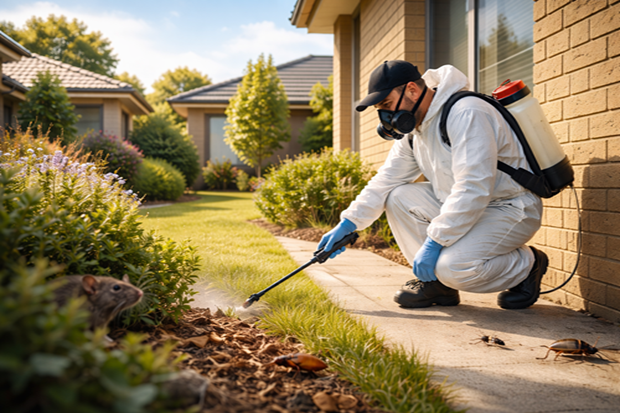
Maintaining a safe, healthy, and comfortable property requires more than just regular cleaning and maintenance. One of the most critical yet often overlooked aspects of property care is effective pest management. Pests like rodents, termites, ants, and cockroaches can cause serious damage to your home or commercial space, posing health risks, structural problems, and financial burdens. This makes pest control a vital component of property management.
Investing in benefits of hiring professional pest control ensures that infestations are managed effectively, safely, and sustainably. Professionals bring expertise, tools, and strategies that go beyond DIY methods, helping property owners prevent damage, maintain hygiene, and safeguard the well-being of residents or occupants. From residential homes to commercial establishments, professional pest control services provide a reliable line of defense against unwanted invaders.
Why Pest Control Matters
Pests are more than just a nuisance. They can impact property safety, health, and value. Here’s why addressing pest issues proactively is essential:
Health Protection
Pests carry bacteria, viruses, and allergens that can compromise health. Cockroaches, rodents, and mosquitoes are known carriers of diseases like salmonella, leptospirosis, and dengue fever. Regular pest control minimizes these health risks.
Structural Integrity
Termites, carpenter ants, and rodents can damage wooden structures, wiring, and insulation. Over time, untreated infestations can lead to costly repairs or even safety hazards.
Food Safety
In residential kitchens, restaurants, or commercial food storage facilities, pests can contaminate food and surfaces, posing serious safety and legal concerns.
Property Value
Properties with a history of infestations may see reduced market value. Effective pest control protects both the functionality and resale value of your property.
Common Types of Pests
Understanding the types of pests that commonly affect properties can help you recognize potential risks:
- Rodents: Mice and rats damage wiring, insulation, and stored items while spreading diseases.
- Termites: Silent destroyers of wooden structures, often causing extensive damage before detection.
- Cockroaches: Rapidly reproducing pests that carry pathogens harmful to humans.
- Ants: While some are harmless, carpenter ants can weaken structures and affect landscaping.
- Mosquitoes and Flies: Not only a nuisance but also vectors for diseases such as malaria and dengue.
- Bed Bugs: Affect sleep quality and comfort, requiring specialized treatment to eradicate.
Benefits of Professional Pest Control
While DIY pest management might address minor issues, professional pest control offers significant advantages:
Expertise and Knowledge
Professionals understand pest behavior, breeding cycles, and effective treatment strategies for various species.
Safe and Effective Solutions
Experts use targeted products and methods that minimize risk to humans, pets, and the environment while maximizing efficacy.
Comprehensive Inspections
Professional pest control providers assess the property thoroughly, identifying hidden infestations and vulnerable areas before treatment.
Long-Term Protection
Many services offer ongoing monitoring and preventive programs to ensure pests do not return.
Cost-Effectiveness
Early professional intervention prevents severe infestations, reducing the need for expensive repairs or property replacement.
Key Pest Control Methods
Professional pest control involves a combination of methods tailored to the property and pest type. Common approaches include:
Chemical Treatments
Targeted application of pesticides helps eliminate pests effectively while preventing recurrence.
Traps and Baits
Rodents and insects can be controlled using strategically placed traps or bait stations.
Physical Barriers
Sealing entry points, installing screens, and using protective coatings reduce pest access.
Environmental Management
Maintaining proper sanitation, drainage, and waste management helps minimize breeding grounds.
Biological Control
In some cases, natural predators or eco-friendly solutions are used to control pest populations sustainably.


Pest Control for Residential Properties
In residential settings, pests threaten the comfort, health, and aesthetics of your home. Key areas to monitor include:
- Kitchens and pantries
- Bathrooms and laundry areas
- Basements and attics
- Gardens and outdoor spaces
Regular professional pest control ensures families live in a safe and hygienic environment, free from infestations.
Pest Control for Commercial Properties
Commercial properties, including offices, warehouses, restaurants, and retail spaces, face unique challenges. Pests in these environments can lead to:
- Legal and regulatory issues
- Contamination of products or food supplies
- Damage to inventory or equipment
- Negative reputation affecting clients or customers
Hiring professionals guarantees compliance with health and safety standards while protecting business operations.
Preventive Measures Property Owners Can Take
In addition to professional services, property owners can take proactive steps to minimize pest risks:
- Keep the property clean and clutter-free
- Store food and waste securely
- Regularly inspect vulnerable areas for signs of infestation
- Fix leaks, standing water, and damp areas
- Seal cracks, gaps, and entry points in walls and foundations
These measures complement professional pest control, creating a holistic strategy against infestations.
Choosing the Right Pest Control Provider
Selecting a reliable pest control provider is crucial to achieving effective results. Consider the following:
- Experience and Certification: Choose providers with proper licensing and a track record of successful treatments.
- Customized Treatment Plans: Each property has unique risks; professionals should tailor solutions accordingly.
- Eco-Friendly Options: Safe and environmentally responsible treatments protect both occupants and the surroundings.
- Guarantees and Follow-Up: Providers offering warranties and follow-up visits ensure long-term protection.
Conclusion
Pests are more than just nuisances they pose significant risks to health, safety, and property value. Ignoring infestations or relying solely on DIY methods can lead to long-term problems, including costly repairs and compromised safety.


