
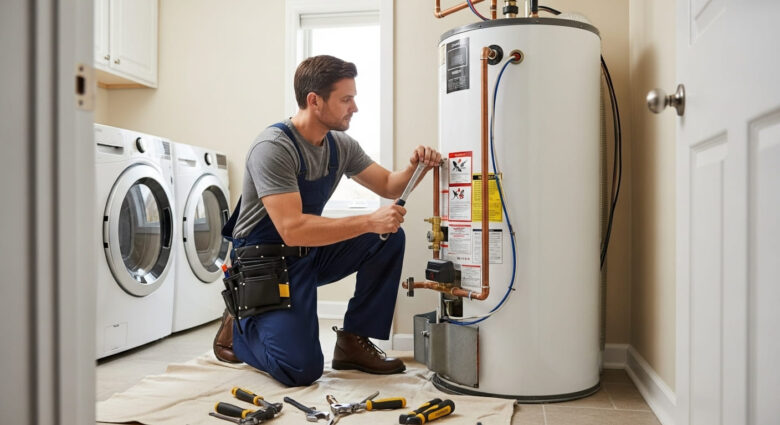
We have all experienced the shock of opening an electricity or gas bill and seeing a figure much higher than expected. You scan the document, wondering if you left the heater on or if the kids have been taking excessively long showers. While lifestyle habits play a role, there is often a silent culprit lurking in your garage or backyard: your water heater.
In the average Australian home, heating water accounts for around 25% of total energy usage. It is second only to heating and cooling the house itself. When your hot water service is running efficiently, this cost is manageable. However, when the system develops faults or becomes outdated, it can start haemorrhaging energy.
A unit that is struggling to heat water will work overtime. It burns more gas or draws more electricity to achieve the same result. The insidious part is that you might not even notice a drop in performance. The water still feels hot, but the machine is working twice as hard behind the scenes to deliver it. Understanding the signs of an inefficient system is the first step to reclaiming control over your household budget.
The Sediment Trap
One of the most common reasons for skyrocketing bills is sediment buildup. Australian water supplies contain minerals like calcium and magnesium. Over time, as water is heated in a storage tank, these minerals precipitate out and settle at the bottom.
In a gas storage system, the burner is at the bottom of the tank. The sediment forms a thick, insulating layer of sludge between the flame and the water. The burner has to heat the sludge before it can heat the water. This barrier makes the heat transfer incredibly inefficient.
In an electric system, the sediment can bury the lower heating element. This can cause the element to overheat and burn out, forcing the upper element to do all the work, or simply causing the element to run for hours longer than necessary to reach the set temperature.
Regular maintenance, specifically flushing the tank, is the only way to prevent this. A professional hot water service check includes draining a portion of the water to remove this sediment, restoring the unit’s efficiency.
The Leaking Relief Valve
Every hot water storage tank has a Temperature Pressure Relief (TPR) valve. It is a safety device designed to release water if the pressure or temperature inside the tank gets too high, preventing an explosion.
These valves are prone to failure. Sometimes they get stuck open slightly, allowing a constant trickle of hot water to escape down the drain. You might not see it if the drain pipe is hidden in a garden bed.
Every drop of hot water that leaks out is replaced by cold water entering the tank. The heater then has to turn on to heat that cold water. If the valve is leaking 24/7, your heater is running constantly to keep up. It is literally pouring money down the drain. Checking the TPR valve is a standard part of any professional inspection.
Thermostat Drift
Thermostats are the brains of the operation. They tell the unit when to turn on and off. Over time, thermostats can lose their calibration.
If a thermostat “drifts” and reads the temperature incorrectly, it might heat the water to 75°C or 80°C instead of the recommended 60°C. Raising the temperature of water takes a massive amount of energy. Overheating water is not only dangerous (increasing the risk of scalding) but also incredibly wasteful.
Conversely, a faulty thermostat might turn the element on and off rapidly (cycling), which wears out components and uses more power than a steady heating cycle. Replacing a faulty thermostat during a hot water service is a cheap fix that saves hundreds of dollars a year.
Insulation Breakdown
The tank itself is essentially a giant thermos. It has a layer of foam insulation between the inner steel tank and the outer casing to keep the heat in.
In older units—those approaching 10 or 15 years of age—this insulation can degrade. It becomes brittle or settles, leaving gaps. This leads to “standing heat loss.” The water heats up, but the heat escapes through the walls of the tank into the cold air of your garage or backyard.
The system then has to turn back on to reheat the water, even if nobody has turned on a tap. If you touch the outside of your hot water tank and it feels warm, it is losing heat. A modern, energy-efficient unit stays cool to the touch because the insulation is doing its job.
The Solar Inefficiency Factor
Many Victorian homes have installed solar hot water systems to take advantage of our sunshine and reduce carbon footprints. These systems usually have an electric or gas booster for cloudy days.
However, if the solar panels are dirty, shaded by overgrown trees, or if the pump that circulates the water fails, the system stops using the sun. Instead, it relies 100% on the booster.
You might think you are getting free hot water from the sun, but in reality, you are paying full price for electricity because the solar component is dormant. Regular hot water service ensures the solar collectors are clean and the controller is prioritizing solar energy over the expensive grid backup.
The Cost of Waiting
The biggest mistake homeowners make is the “fix on fail” mentality. They wait until there is no hot water before calling a plumber. By that stage, the unit has likely been running inefficiently for years, costing them thousands in excess energy bills.
The cost of a routine service is a fraction of the energy savings it generates. It also extends the lifespan of the unit. Replacing a burst tank is an expensive emergency capital outlay. Keeping an existing tank healthy delays that cost.
Questions and Answers: Common Questions About hot water service in Victoria
Q: How often should I service my hot water system?
Manufacturers generally recommend a service every two years. However, the Temperature Pressure Relief (TPR) valve should be tested every six months by the homeowner (by gently lifting the lever). The sacrificial anode—a metal rod that prevents the tank from rusting—needs replacing every 3 to 5 years depending on the water quality in your area.
Q: Why is my hot water running out so quickly?
This usually points to a broken dip tube or a failed heating element. The dip tube directs cold incoming water to the bottom of the tank to be heated. If it breaks, cold water mixes with the hot water at the top, giving you a lukewarm shower. In electric units, if the bottom element dies, you only have half the tank’s capacity of hot water available.
Q: What temperature should my hot water be set to?
In Australia, the regulations state that hot water must be stored at a minimum of 60°C to kill bacteria like Legionella. However, it must be delivered to bathroom taps at a maximum of 50°C to prevent scalding. This is achieved using a tempering valve. If your water is scalding hot, your tempering valve might have failed.
Q: Is it better to repair or replace an old unit?
If your unit is over 10 to 12 years old and starts having major issues (like a leaking tank), replacement is usually the wiser financial decision. Modern 5-star rated units are significantly more efficient than models from a decade ago. The energy savings alone can pay for the new unit within a few years.
Q: Can a leaking tap really affect my hot water bill?
Yes, absolutely. A dripping hot tap can waste thousands of litres of water a year. Because that water is heated, you are paying for the water and the energy to heat it. Fixing leaking taps is one of the simplest ways to reduce your utility bills.
Conclusion: Your Path to a Successful hot water service in Australia
Your hot water system is the workhorse of your home. It provides the comfort of a morning shower and the hygiene of clean dishes and clothes. But like any machine, it requires care to perform at its best. Neglecting it does not save money; it transfers the cost to your monthly utility bills.


