
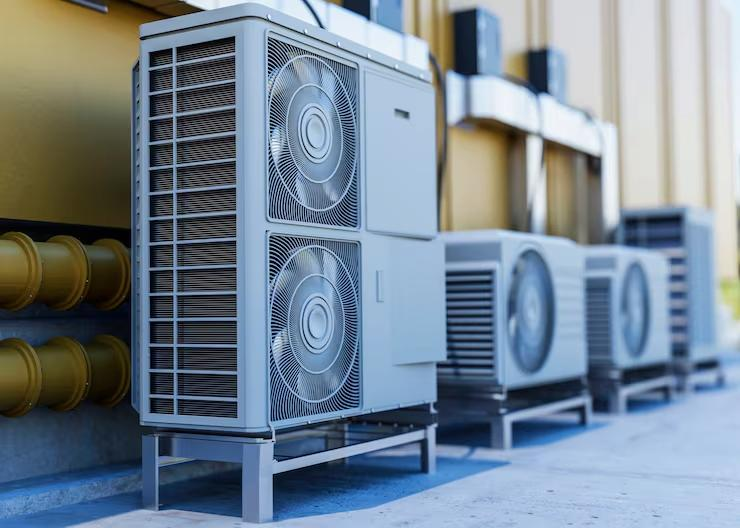
Choosing the right heating and cooling system shapes comfort, energy bills, and long-term peace of mind. Climate demands, home layout, efficiency ratings, and maintenance needs all play a role. A smart choice today can prevent uneven temperatures, rising costs, and early replacements tomorrow—especially in regions with wide seasonal swings.
A home heating and cooling system does far more than adjust temperature. It shapes how evenly air circulates through your living spaces, how much energy your household consumes, and how comfortable each room feels throughout the year. When weighing options for reliable heating and cooling in Kittitas, WA, homeowners often need to think beyond equipment labels and upfront costs. The real challenge is choosing a system that handles seasonal changes efficiently without adding unnecessary strain or long-term expense. With so many configurations available, the best decisions come from understanding how a system fits your home’s layout, energy demands, and long-term comfort goals. The aim is not complexity, but steady performance, efficiency, and control.
Correct sizing defines performance from the start
A system’s capacity determines how effectively it can maintain comfort without overworking itself.
What correct sizing actually influences
- Stable indoor temperatures across all rooms
- Reduced system wear and fewer breakdowns
- Lower energy use during peak seasons
Systems selected purely by square footage often miss key factors such as insulation, airflow paths, and ceiling height. Proper sizing ensures steady performance rather than constant on-off cycling.
Energy Efficiency That Pays You Back Over Time
Efficiency is not about chasing the highest rating—it is about steady savings and reliable output.
Efficiency features worth prioritising
- Seasonal efficiency ratings rather than peak-only numbers
- Systems that adjust output instead of running at full capacity
- Compatibility with modern thermostats for better control
Energy data consistently shows that efficient systems reduce long-term household energy use while maintaining comfort more evenly throughout the day.
Every Home Demands a Different Comfort Approach
Different heating and cooling systems are designed to solve different comfort challenges. The right option depends largely on how a home is structured, how air naturally moves between spaces, and how rooms are used throughout the day. Some systems are built to deliver consistent airflow across the entire home, supporting even temperatures from room to room. Others focus on zoned comfort, allowing individual areas to be controlled separately to better match usage patterns. There are also hybrid configurations that adjust their operation in response to outdoor conditions, helping maintain efficiency as seasons change. The most effective setup works with the home’s layout and airflow rather than forcing air into spaces where it does not move naturally.
True comfort extends beyond temperature settings
Air quality plays a major role in how comfortable a home feels, even when temperatures seem correct.
Indoor comfort is shaped by
- Effective filtration that limits airborne particles
- Balanced humidity to prevent dryness or heaviness
- Consistent air circulation across living spaces
Homes with better air balance often feel more comfortable at lower heating or cooling levels, reducing overall energy demand.
Systems Must Match Seasonal Pressure, Not Just Average Weather
Climate variability places stress on systems that lack flexibility.
For households considering heating and cooling in Kittitas, WA, systems must respond smoothly to cold periods while remaining efficient during warmer months. Equipment designed for variable demand performs more consistently than systems locked into a single operating speed.
Installation Quality Determines Real-World Results
Even high-quality equipment can underperform if installation details are overlooked.
Installation elements that affect performance
- Balanced airflow across all rooms
- Proper sealing to prevent energy loss
- Accurate control placement for reliable readings
Industry data shows poor installation can reduce system efficiency by up to 20 percent, regardless of system rating.
Maintenance Is a Design Feature, Not an Afterthought
A heating and cooling system should be designed with long-term care in mind if it is expected to perform reliably over many years. Easy access to key components and straightforward servicing allow airflow to remain consistent and temperatures to stay balanced throughout the home. Regular attention also makes it easier to identify small performance changes early, before they develop into larger, more disruptive issues. When routine care is built into how a system is used, efficiency remains steady, unexpected interruptions are reduced, and the overall lifespan of the equipment is extended without unnecessary strain.
Practical Takeaways Before You Commit
Use these points to guide smarter decisions:
- Choose correct sizing over higher output claims
- Compare long-term operating costs, not just purchase price
- Look for systems that support room-level comfort control
- Match equipment to insulation quality and home layout
- Ensure servicing access is straightforward and practical
These considerations help align performance with real household needs.
Closing Remarks
Choosing a home heating and cooling system is not a short-term upgrade; it is a long-term comfort decision that shapes how your home feels, functions, and performs every day. A well-chosen system maintains steady temperatures, supports clean airflow, and keeps energy use predictable rather than reactive. These outcomes are rarely accidental. They come from aligning system capacity with home layout, prioritising efficiency over headline claims, and ensuring installation quality is treated as essential, not optional.
It is also important to recognise that comfort needs evolve. Household routines change, energy costs fluctuate, and expectations around indoor air quality continue to rise. Systems designed with flexibility, proper sizing, and manageable maintenance adapt far better to these shifts than systems chosen purely on upfront cost. When decisions are guided by performance over time rather than quick fixes, homeowners experience fewer disruptions and greater confidence in daily comfort.
For those planning or upgrading heating and cooling in Kittitas, WA, the most reliable outcomes come from systems that respond well to seasonal variation while remaining efficient and consistent throughout the year. Taking the time to evaluate your home’s specific needs leads to quieter operation, balanced temperatures, and lower long-term costs. In the end, the right system is one that works reliably in the background—supporting comfort without demanding attention—so your home feels stable, efficient, and comfortable in every season.
